GastroCafer'e Hoş Geldiniz!



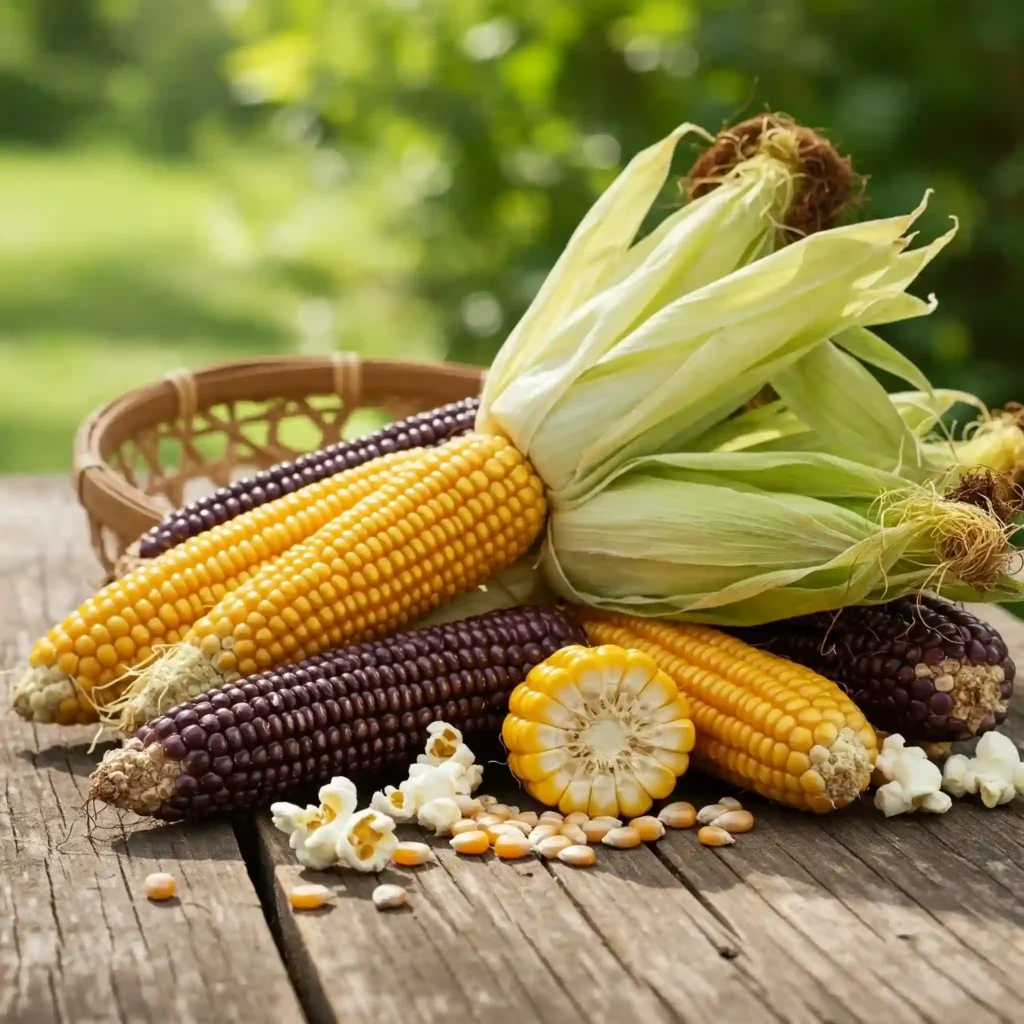
Corn has been a fundamental ingredient in human diets for thousands of years.
The varieties of corn and the dishes created from them date back to ancient civilizations.
Over time, this versatile grain has evolved far beyond its simple boiled form.
Today, it plays a key role not only as a food on its own but also as a base ingredient for products like flour and starch.
In modern kitchens, we encounter different types of corn each designed for a specific culinary purpose.
These differences mainly come from their unique chemical structures; which directly affect texture, taste, and usage.
In this GastroCafer guide, we will explore these distinctions in detail.
You will discover the six most common types of corn “Flint, Sweet, Dent, Popcorn, Flour, and Waxy Corn” and how to use each one in the kitchen.
By the end of this article, you will clearly understand the unique characteristics of each type and how to apply them in real recipes.
So, get your popcorn ready. Because an article as entertaining as a movie awaits you!
(And while enjoying your popcorn, don’t forget to check out “Culinary Cinema: 8 Movies”!)
1. Flint Corn (Zea mays indurata)
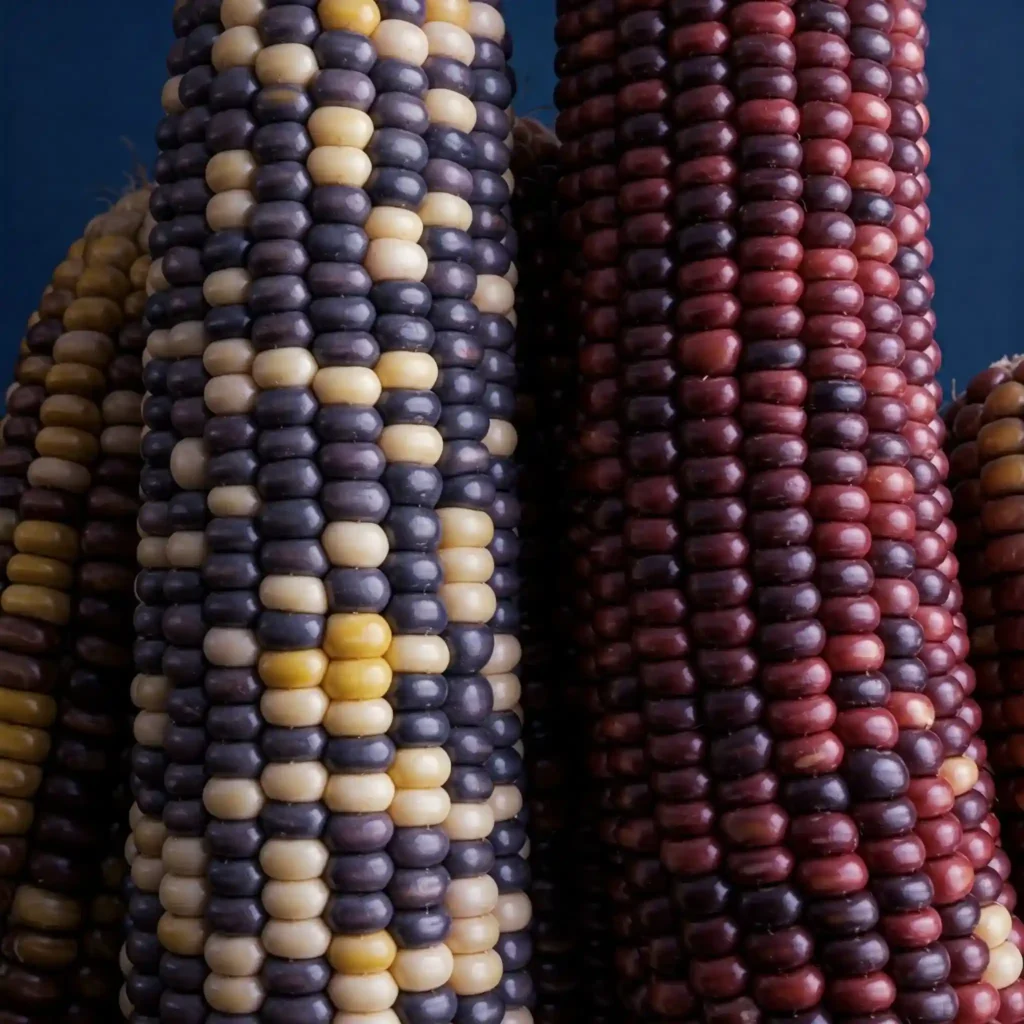
With its tough outer shell and glossy kernels, flint corn is a staple of Turkey’s Black Sea cuisine.
Thanks to its hard endosperm and relatively low starch content, it is widely used to produce cornmeal.
It is also highly durable and can be stored for long periods due to its low fat content.
Usage Examples
A) Kuymak (Mıhlama)
A signature dish of Trabzon cuisine. Cornmeal made from flint corn is combined with butter and salty çökelek cheese to create a rich and stretchy texture.
B) Cornbread
An unleavened baked good that pairs perfectly with fish dishes.
However, it should be consumed fresh.
If left out too long, it can develop sourness due to bacterial activity, something that is often misunderstood as a traditional characteristic.
2. Sweet Corn (Zea mays saccharata)
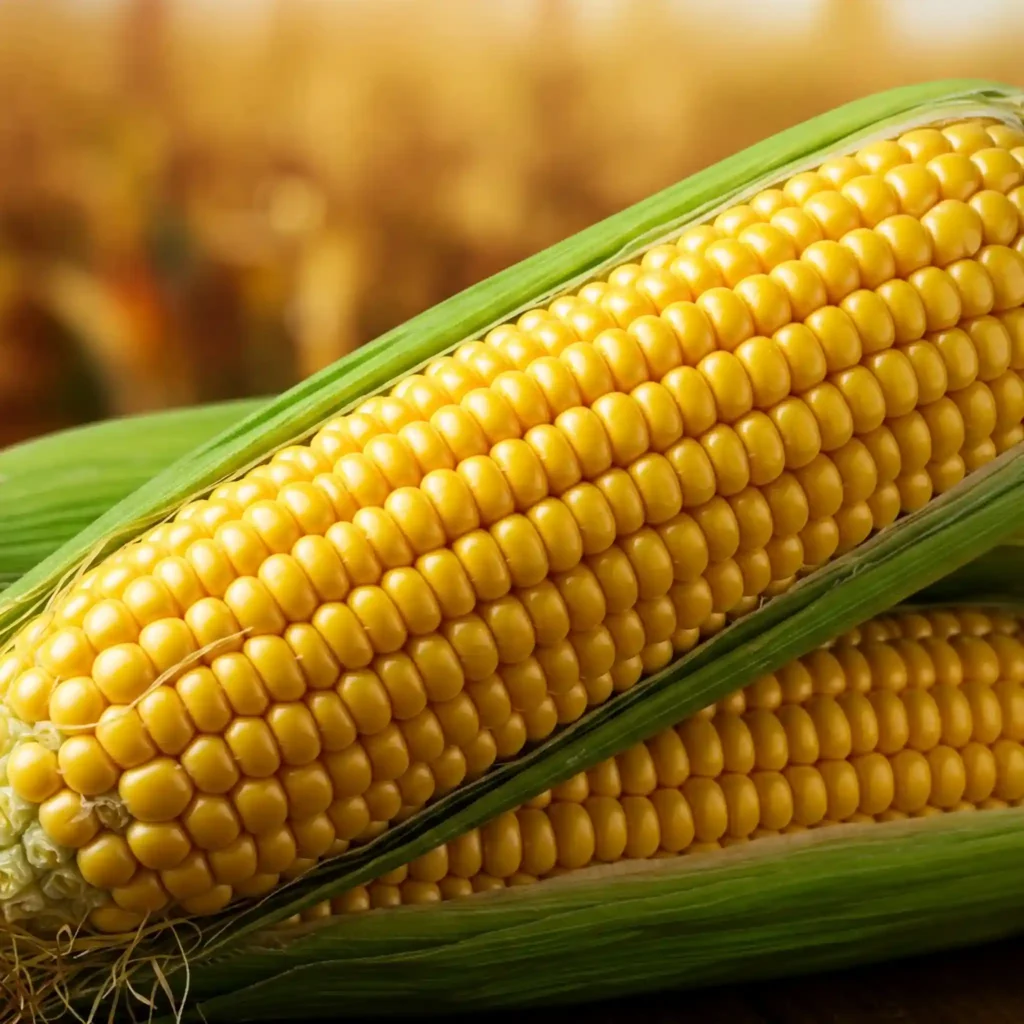
Sweet corn contains a natural genetic mutation that prevents sugar from converting into starch.
As a result, it has a much higher sugar content than other varieties.
Because of this, it is best enjoyed fresh.
Usage Examples
A) Salads
Fresh or canned sweet corn kernels add both flavor and texture, especially in green salads and legume-based dishes.
B) Boiled Corn
A classic and beloved street food, almost always made using sweet corn.
C) Grilled Corn
Roasted or grilled sweet corn is a simple yet irresistible option, particularly for vegetable lovers.
3. Dent Corn (Zea mays indentata)
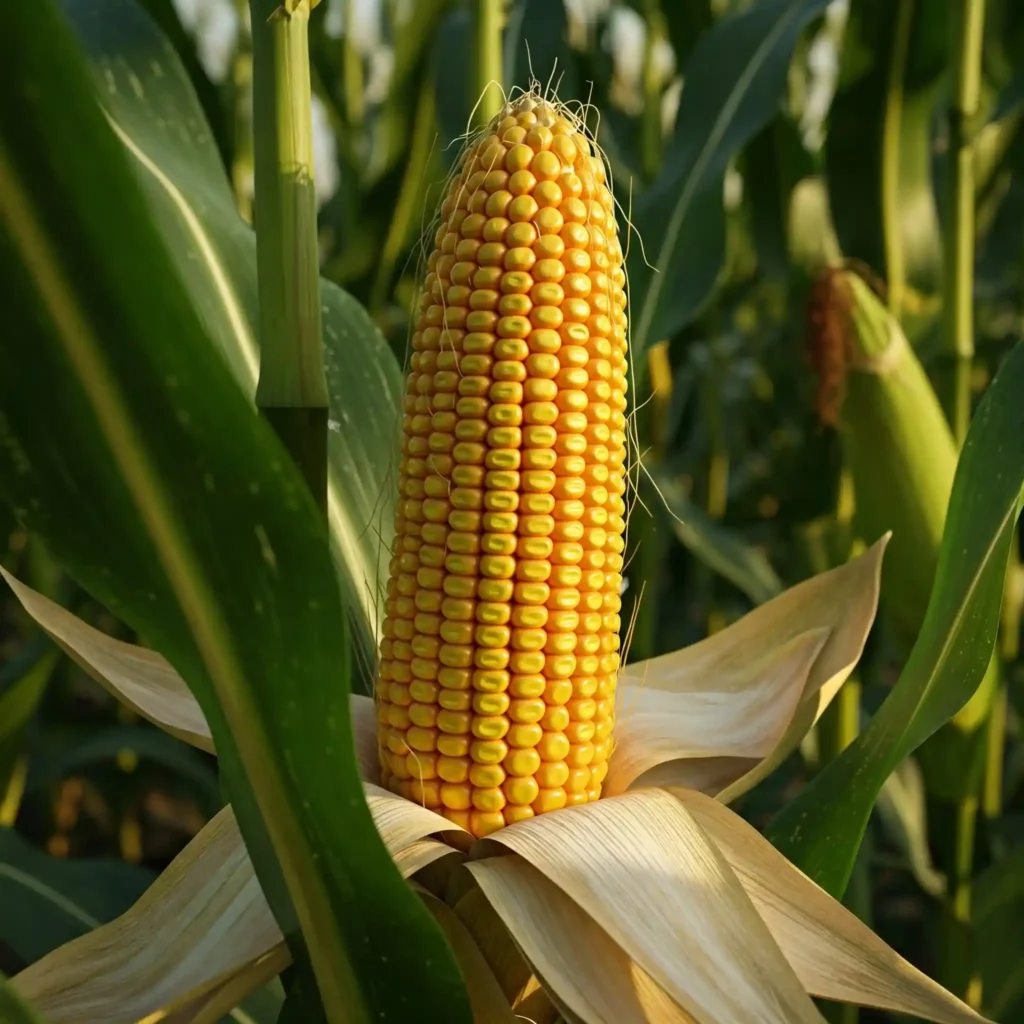
Dent corn gets its name from the small indentation that forms on each kernel as it matures.
This variety is primarily grown for industrial use, which is why it is rarely used directly in home cooking.
Instead, it plays a major role in the production of corn starch and corn syrup.
Usage Examples
A) Custards and Puddings
The starch used as a thickening agent in many desserts is typically derived from dent corn.
B) Soups and Sauces
Thanks to its strong thickening properties, dent corn is widely used in industrial soups and ready-made meals.
(Tip: You can improve your kitchen precision by checking out “How Much is a Pinch?”)
4. Popcorn (Zea mays everta)
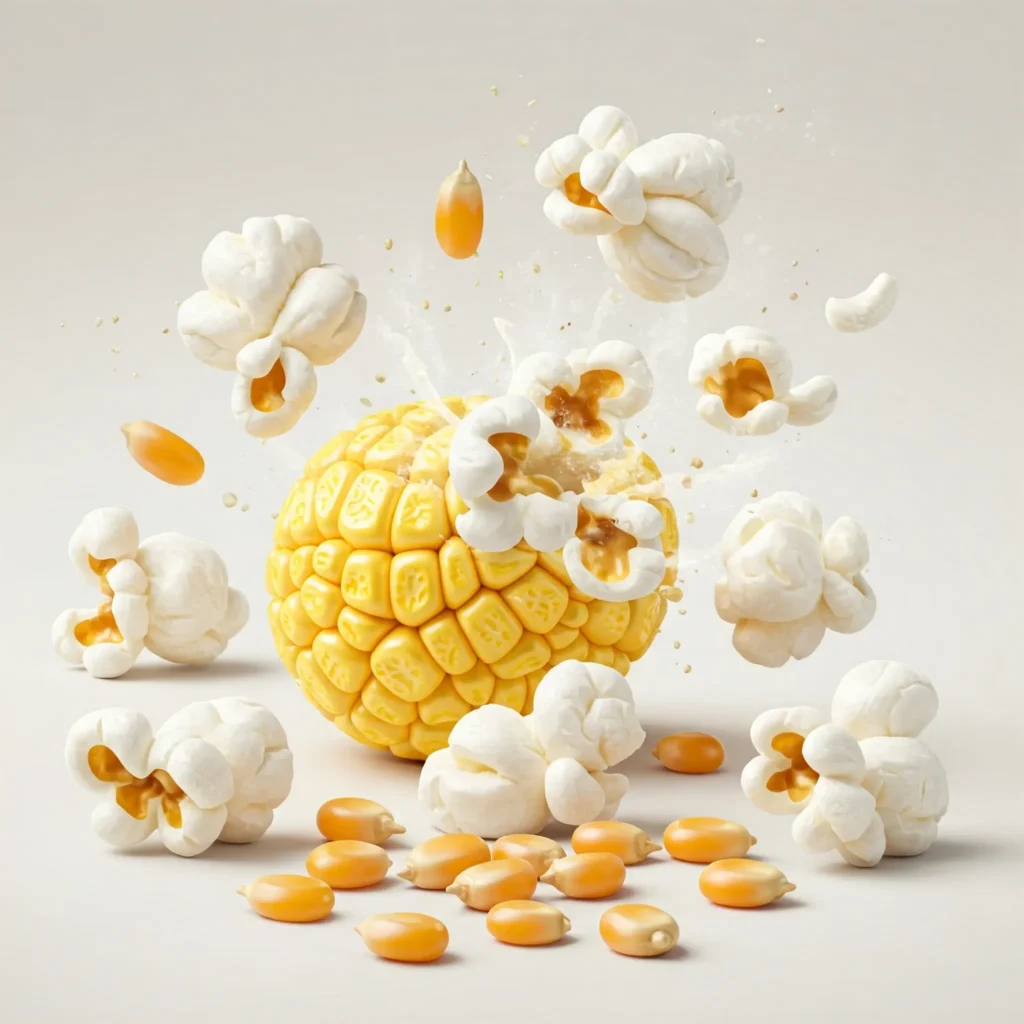
Popcorn is a special variety of corn cultivated specifically for popping.
Its small, hard kernels contain a certain amount of water.
When heated, this water turns into steam, building pressure inside the kernel until it bursts.
This process is based on a simple yet fascinating scientific principle:
Pressure from water vapor combined with heat transforms the starch structure, causing the kernel to explode.
The result is the light, crispy snack we all associate with movie nights.
Usage Example
Popcorn
A natural and fun snack when prepared correctly.
For the best result, it should be popped from raw kernels rather than using pre-packaged products.
5. Flour Corn (Zea mays amylacea)
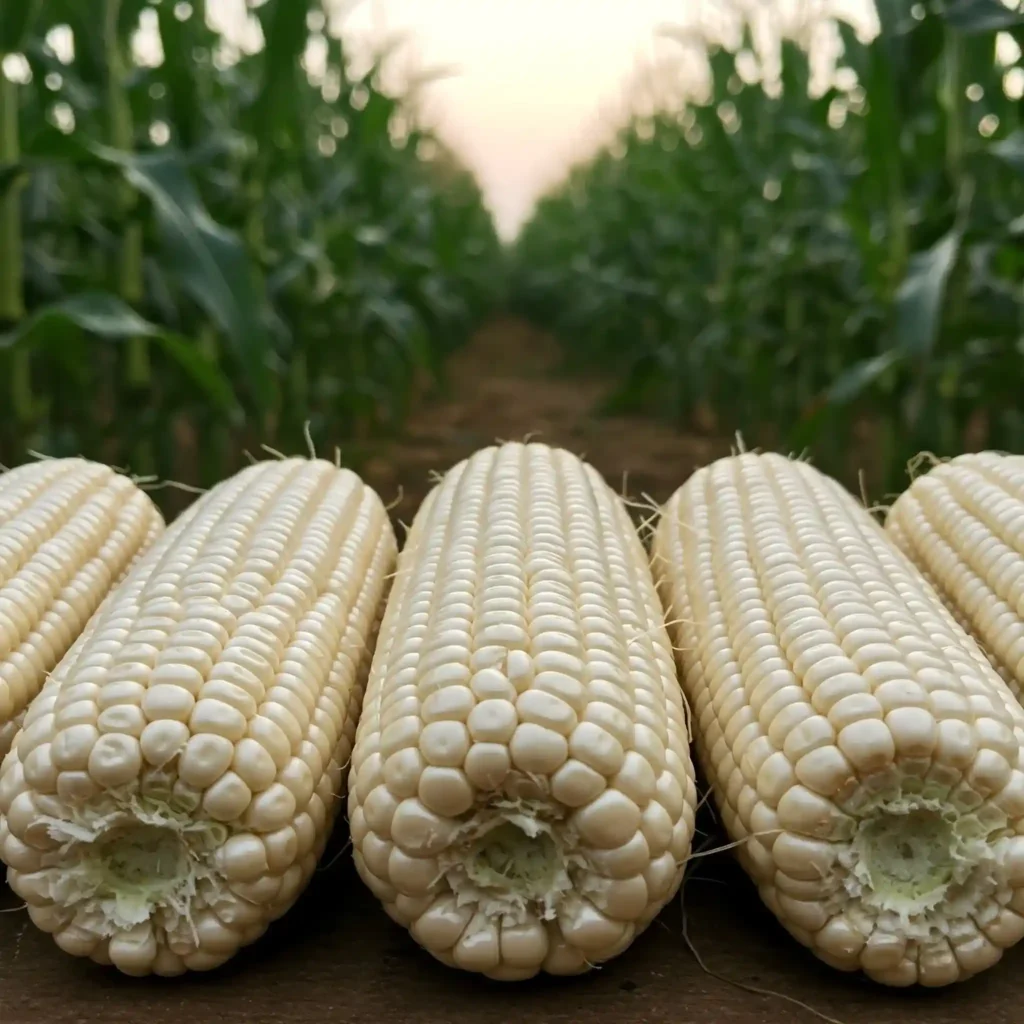
As the name suggests, flour corn is specifically grown for flour production.
Its soft starch structure makes it easy to grind, which is why it has become increasingly popular especially with the rise of gluten-free diets.
Usage Examples
A) Gluten-Free Cakes and Breads
Products made with corn flour are a safe and practical alternative for those with gluten sensitivities.
B) Tortilla-Style Flatbreads
Traditional tortillas (a staple of Mexican cuisine) are made using this type of corn.
6. Waxy Corn (Zea mays ceratina)
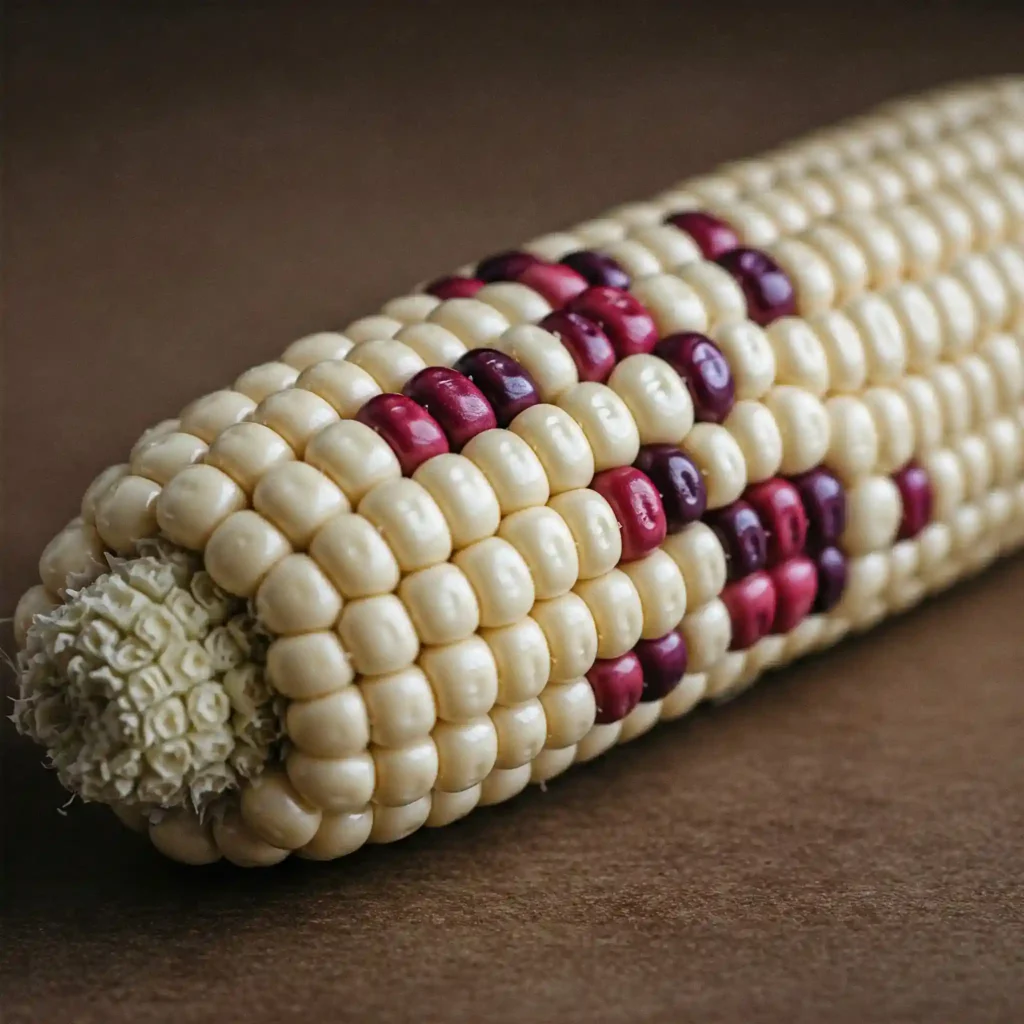
Waxy corn has a soft, wax-like texture and is composed of nearly 99% amylopectin.
Despite its interesting structure, it has almost no direct use in home kitchens.
Instead, it is primarily used in the food industry.
Usage Examples
A) Jelly Beans and Candies
Waxy corn starch is used to create the chewy, gel-like consistency found in many candies.
B) Instant Sauces and Puddings
It is added to processed foods to provide a glossy appearance and stabilize texture.
Frequently Asked Questions About Corn Types
What are the main types of corn?
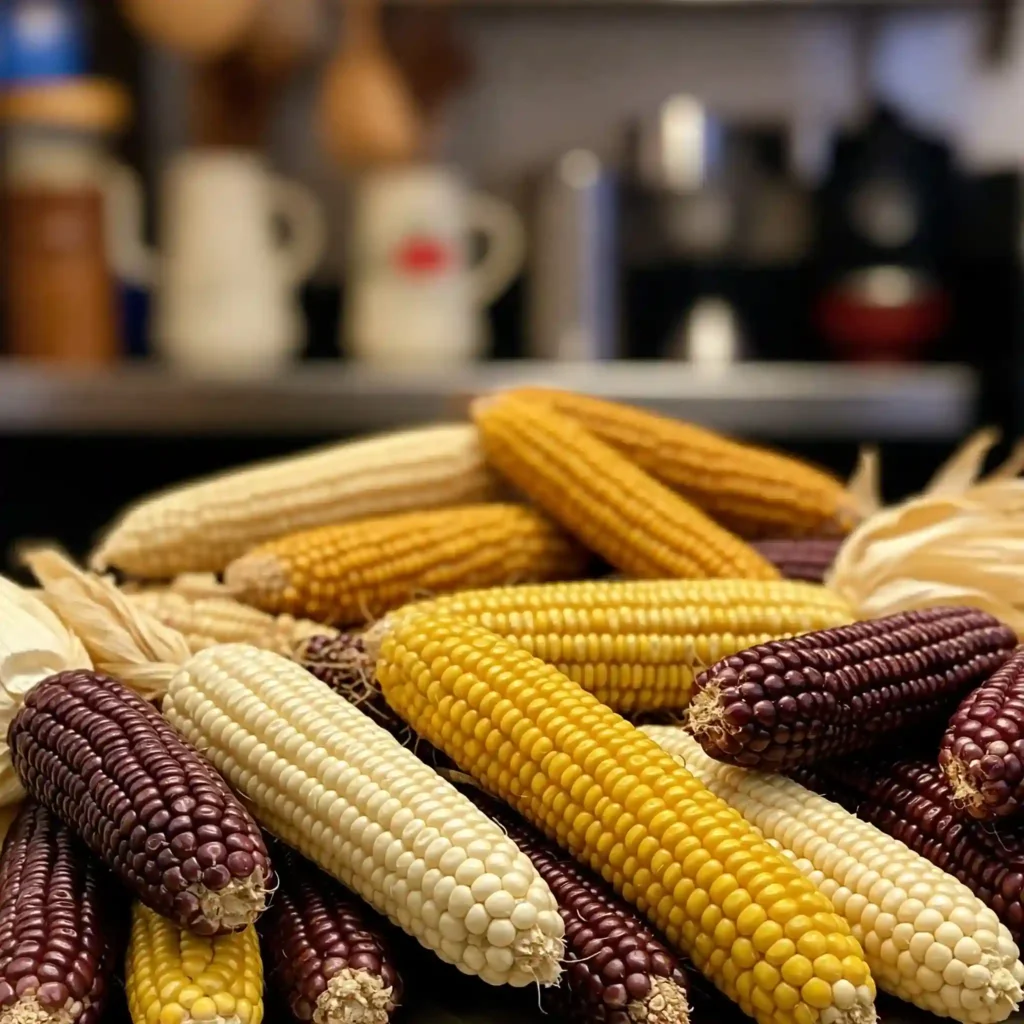
The main types of corn are flint, sweet, dent, popcorn, flour, and waxy corn.
Each type differs in starch structure, texture, and sugar content; which directly affects how it is used in cooking and food production.
What is the difference between sweet corn and dent corn?
Sweet corn is high in sugar because its natural sugars do not convert into starch.
On the other hand, dent corn has a high starch content and is mainly used for industrial products like corn starch and corn syrup.
Which type of corn is best for popcorn?
Only popcorn (Zea mays everta) is suitable for making popcorn.
Its kernels contain the right balance of moisture and hard outer shell needed to create pressure and pop when heated.
What type of corn is used for cornmeal?
Flint corn is commonly used to produce cornmeal due to its hard structure and low moisture content.
This makes it ideal for dishes like cornbread and traditional recipes such as kuymak.
Is corn flour gluten-free?
Yes, corn flour is naturally gluten-free.
It is a safe and widely used alternative for people with gluten intolerance or those following a gluten-free diet.
Final Words

Today, we explored six corn varieties that have proven over thousands of years, to be far more than just a simple grain:
Flint, Sweet, Dent, Popcorn, Flour, and Waxy Corn.
Understanding these differences allows you to choose the right type of corn for each recipe.
This knowledge can directly improve both the flavor and quality of your cooking.
Now that you are equipped with this insight, here are your next stops:
Pasta Types and Sauce Pairings & What is Deglazing?
Cafer Can Yeşilyurt
Useful Sources
- Types of Corn, By Laura Neff
- Specialty Corns, By George W. Dickerson
- Waxy Corn
- Mısır Çeşitleri ve Kullanım Örnekleri
- Maize
- Amylopectin
- The Ultimate Guide to Flour Types