GastroCafer'e Hoş Geldiniz!



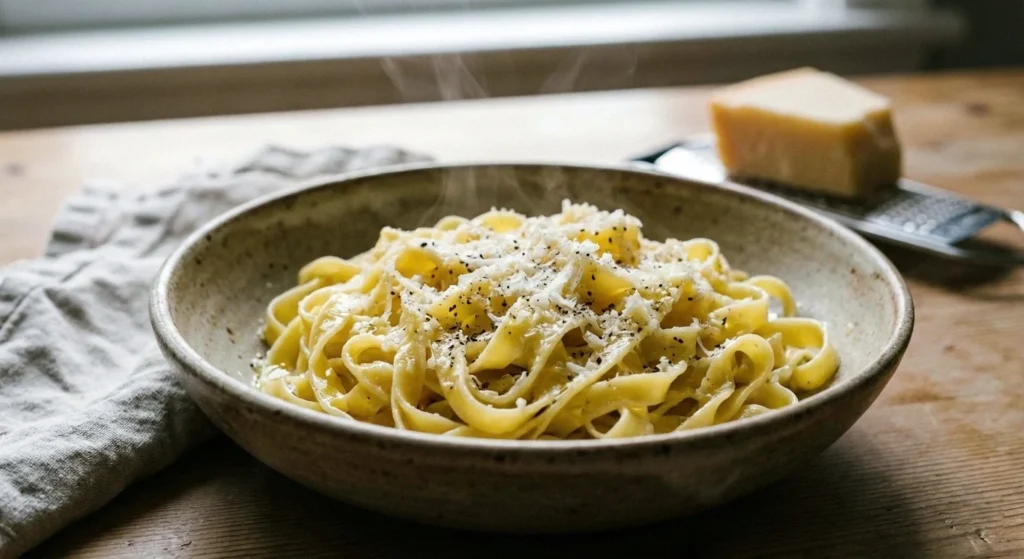
From student dorms to fine-dining restaurants, pasta is an absolute essential in every kitchen.
This lifesaver of a dish might seem incredibly simple to some.
However, preventing that pasta on your plate from sticking together or turning into mush isn’t something just anyone can pull off.
It requires mastering the most basic rules and knowing your pasta shapes.
GastroCafer steps in exactly at this point, bringing the true “al dente” perfection right to your home.
If you’re ready, let’s move on to a master-class basic pasta recipe!
What is Al Dente in Pasta?
An Italian culinary term, “al dente” literally translates to “to the tooth.”
It’s the state where the outside of the pasta is tender, but the thin line in the center remains slightly firm.
Why Does It Matter?
Al dente boiled pasta stands out not only for its taste but also for its easy digestion, high satiety, and perfect sauce-holding capacity.
Pasta Shapes and Sauce Pairings
One of the fundamental rules of gastronomy is this: You cannot use the same sauce for every pasta!
For a flawless plate, the shape of the pasta must absolutely dictate the character of the sauce you use:
- Tubular and Ridged Pasta (Penne, Rigatoni): Loves thick, meaty, and rich sauces. The sauce clings perfectly to the ridges and holes.
- Long and Thin Pasta (Spaghetti, Linguine): Pairs beautifully with fluid, olive oil, garlic, or light tomato-based sauces.
- Wide Surface Pasta (Fettuccine, Tagliatelle): Ideal for carrying heavy, creamy, and cheesy sauces.
If you want to be the chef of this topic and create flawless plates, be sure to check the “15 Types of Pasta and the Best Sauces for Each“.
Alright, now turn on the stove and let’s get to our recipe.
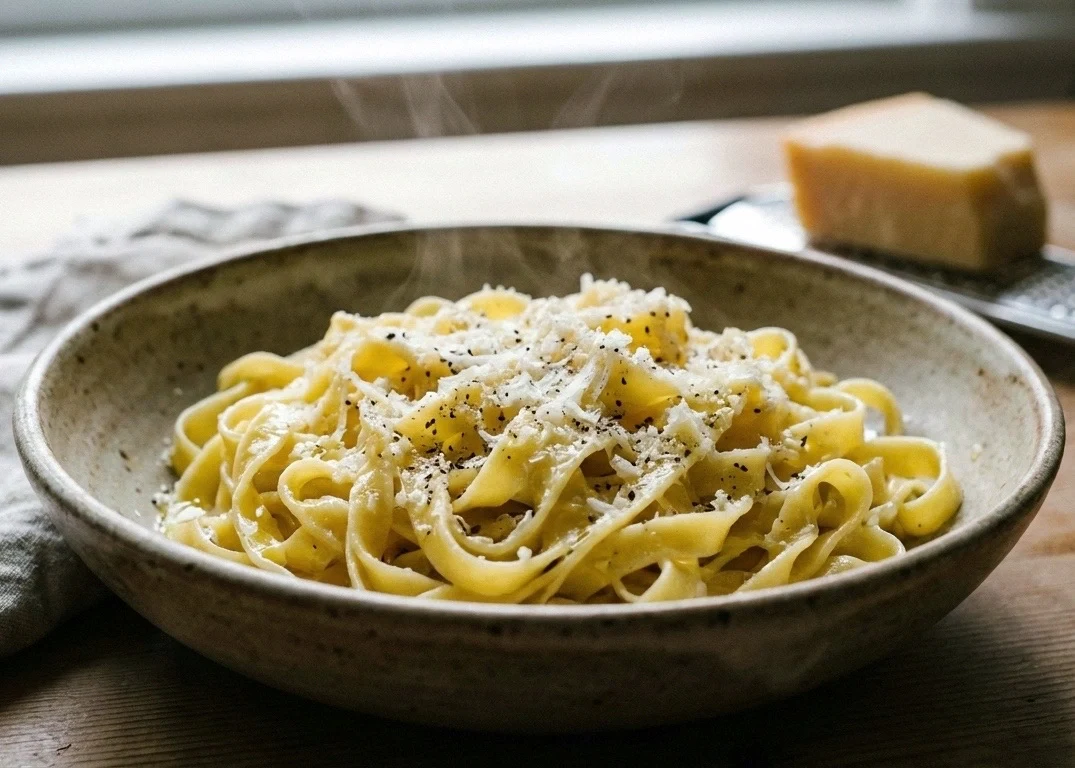
Basic Pasta Recipe
A fundamental guide to boiling pasta perfectly without sticking or getting mushy.
Ingredients
Method
Boiling and Salting the Water
- Fill two-thirds of a medium pot with cold water and place it on the stove.
- Add 2 tbsp of salt 1-2 minutes before the water starts boiling. (Don't add the salt right at the beginning so the water heats up faster.)
Adding and Stirring the Pasta
- Add the pasta to the vigorously boiling water and immediately give it a stir with a wooden spoon.
- Repeat this stirring every 3 minutes to prevent the pasta from sticking to each other.
Achieving "Al Dente"
- Although the time varies depending on the pasta type, boiling for an average of 11 minutes is usually enough to achieve the ideal al dente texture.
Straining
- Remove the perfectly cooked pasta from the heat and drain using a strainer.
- Your pasta is now ready to be served, sauced, or sautéed however you like!
GastroCafer’s Final Touches | What to Do After Straining?
Here are the tips to elevate your pasta after a flawless boil:
- Simple and Traditional (Sautéing): Melt 2 tbsp of butter in the pot you used for the pasta. Add the drained pasta along with some optional dried mint and red pepper flakes, and sauté for 1-2 minutes. A delicious lifesaver meal!
- Never Rinse with Cold Water!
- Liquid Gold (Pasta Water): If you are going to prepare a tomato, cream, or basil sauce; do not forget to save 1 cup of the boiling water. Adding this starchy water while preparing your sauce in the pan will help the sauce thicken and coat the pasta like silk.
Cafer Can Yeşilyurt