GastroCafer'e Hoş Geldiniz!



Flour may seem like a simple ingredient on the surface, but it is actually the fundamental element that determines the destiny of almost any recipe.
A cake that turns out as hard as a rock, bread that fails to rise, or cookies that spread excessively on the tray…
Most of the time, these culinary mishaps are caused by using the wrong type of flour.
That is why we need to evaluate flour not just by simple distinctions like “white” or “whole wheat” but by its structure, protein content, and intended purpose.
Hey, dear reader who wants to learn basic gastronomy without rote memorization!
In today’s comprehensive guide by GastroCafer, all your questions will be answered. We will explore wheat flour varieties and gluten-free alternatives together.
Cafer Can Yeşilyurt wishes you pleasant reading! 😉
What is Flour and How is it Produced?
Flour is a food product obtained by grinding grains and legumes.
Although it is mostly identified with wheat; flour can also be produced from sources such as rice, corn, chickpeas, and almonds.
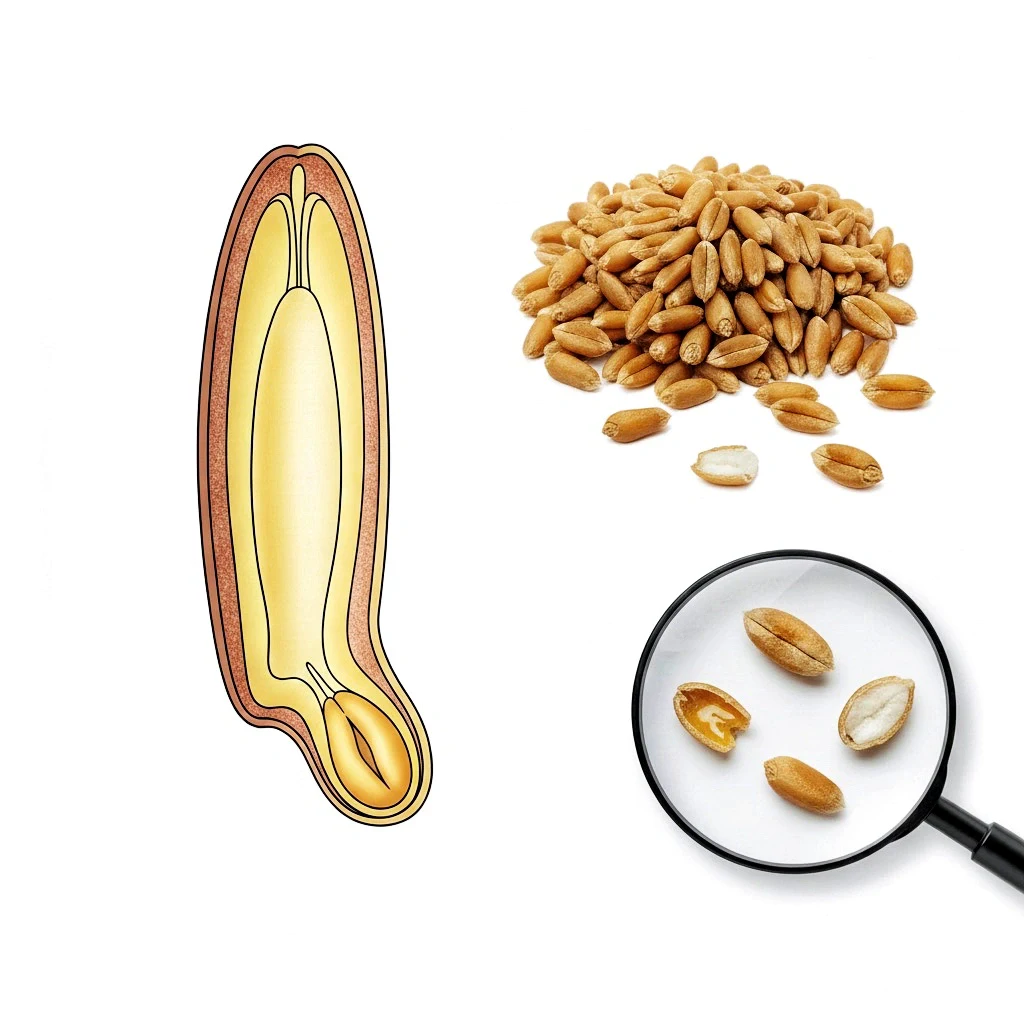
However, we first need to understand the anatomy of a wheat kernel.
A wheat kernel consists of three main parts, and essentially these parts determine the character of the flour:
- Bran: The fiber storehouse. It darkens the flour’s color and enhances the aroma.
- Endosperm: The center where starch and protein are found. This is the main source of white flour.
- Germ: The living core, rich in vitamins, minerals, and fat.
The Chemistry of Flour: Gluten
Gluten, in its simplest definition, is the skeletal system of the dough.
This system forms networks that give the final product its elasticity and trap the gas (CO2) produced by the yeast like a balloon, allowing the dough to rise.
However, this structure does not sit ready-made inside the flour; it emerges when the proteins in the flour (gliadin and glutenin) meet water and are kneaded.
This is why the protein content on the package you buy is critical:
- High Protein: The higher the protein, the stronger and more elastic the gluten network becomes (specifically desired in bread making).
- Low Protein: The lower the protein, the softer and more tender the final texture will be (perfect for cake making).
Wheat Flour Types and Usage Guide
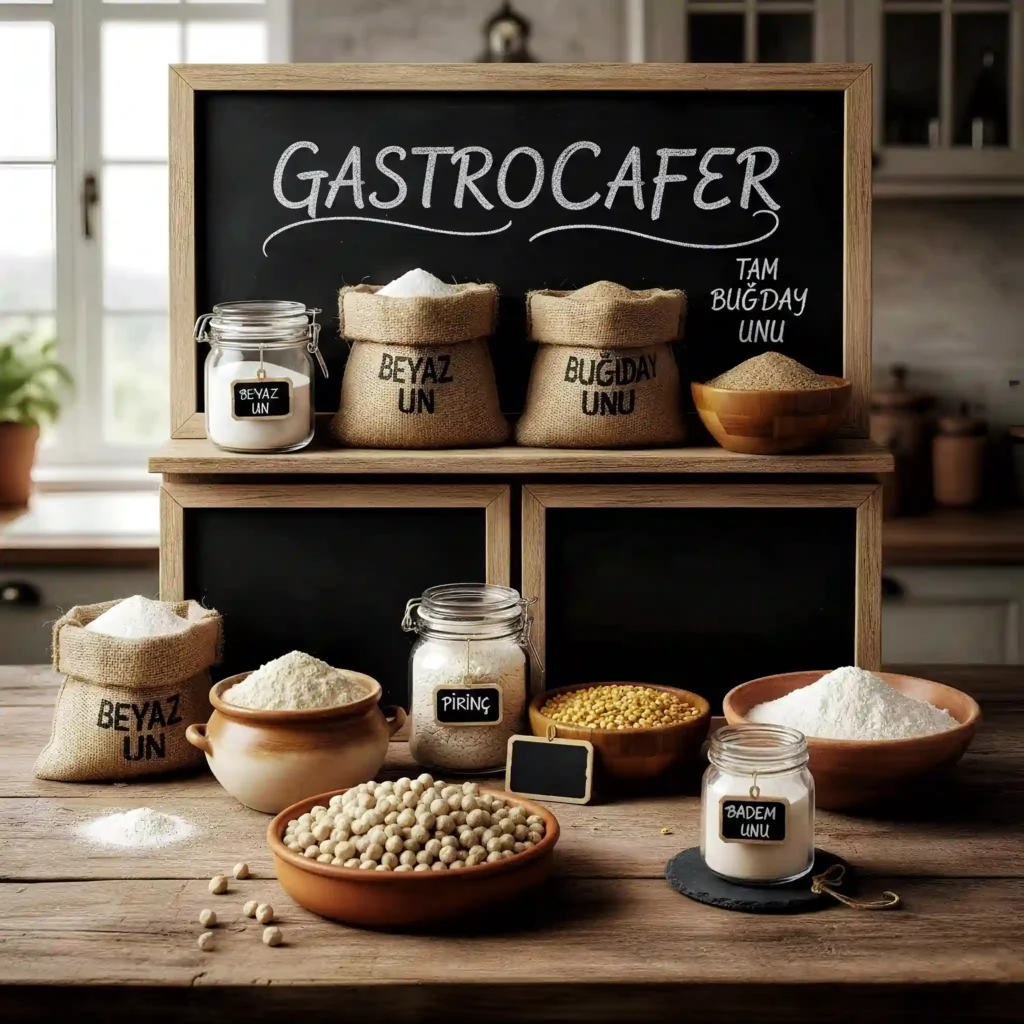
1. All-Purpose Flour (White Flour / Type 550)
White flour (all-purpose flour) is obtained by grinding only the endosperm part of the wheat kernel after the bran and germ have been separated.
It is light in color, has a fine texture, and a neutral aroma.
Because it is refined, its fiber and micronutrient values are lower compared to whole wheat flour.
It typically has a protein content of around 10-11%.
Where to Use It
It is widely used in basic pastries such as dumplings, crepes, and pancakes.
When you are wondering “Which flour should I choose?“, this is your safest harbor.
2. Bread Flour (High Protein / Type 650+)
Bread flour is produced from hard wheat varieties with an increased protein content.
With a protein ratio of 12% and above, it provides a strong gluten structure.
This structure creates a dough that is elastic, stretchable, and capable of holding gas (CO2) during kneading.
Additionally, bread flour has high water absorption power and is suitable for long fermentation processes.
Where to Use It
It is ideal for artisan breads, sourdough village breads, baguettes, pizza dough, and focaccia.
Using bread flour is mandatory for recipes where large pores, strong structure, and volume are desired.
On the other hand, if used in delicate recipes like cakes and cookies; the final product will be tough and rubbery.
3. Cake & Pastry Flour (Low Protein)
Pastry or Cake flour is a fine-textured flour obtained from soft wheat.
The fact that the protein ratio is pulled down to 8-9% levels limits gluten formation.
Thus, this flour gives the dough a softer, more tender, and starchy texture.
Where to Use It
It is ideal for delicate pastry recipes that need to melt in the mouth, such as sponge cakes, cookies, and tart doughs.
4. Whole Wheat Flour
Unlike white flour, it is obtained by grinding the entire wheat kernel (bran + germ + endosperm).
Because it contains bran and germ, whole wheat flour is dark in color and has an intense aroma.
Furthermore, due to its high fiber content; digestion is slower (providing satiety for a longer time).
However, since the sharp edges of the bran content can cut through the gluten network, doughs made with it are denser and heavier than those made with white flour.
Therefore, using whole wheat flour requires more liquid and resting time.
Where to Use It
It is preferred in home breads, rustic pizza doughs, savory cakes, and healthy snack recipes.
Pro Tip
White flour can often be added to support the structure when using whole wheat flour.
Adjusting the recipe accordingly is essential for balanced results.
Gluten-Free Flour Types (Alternative Grains)
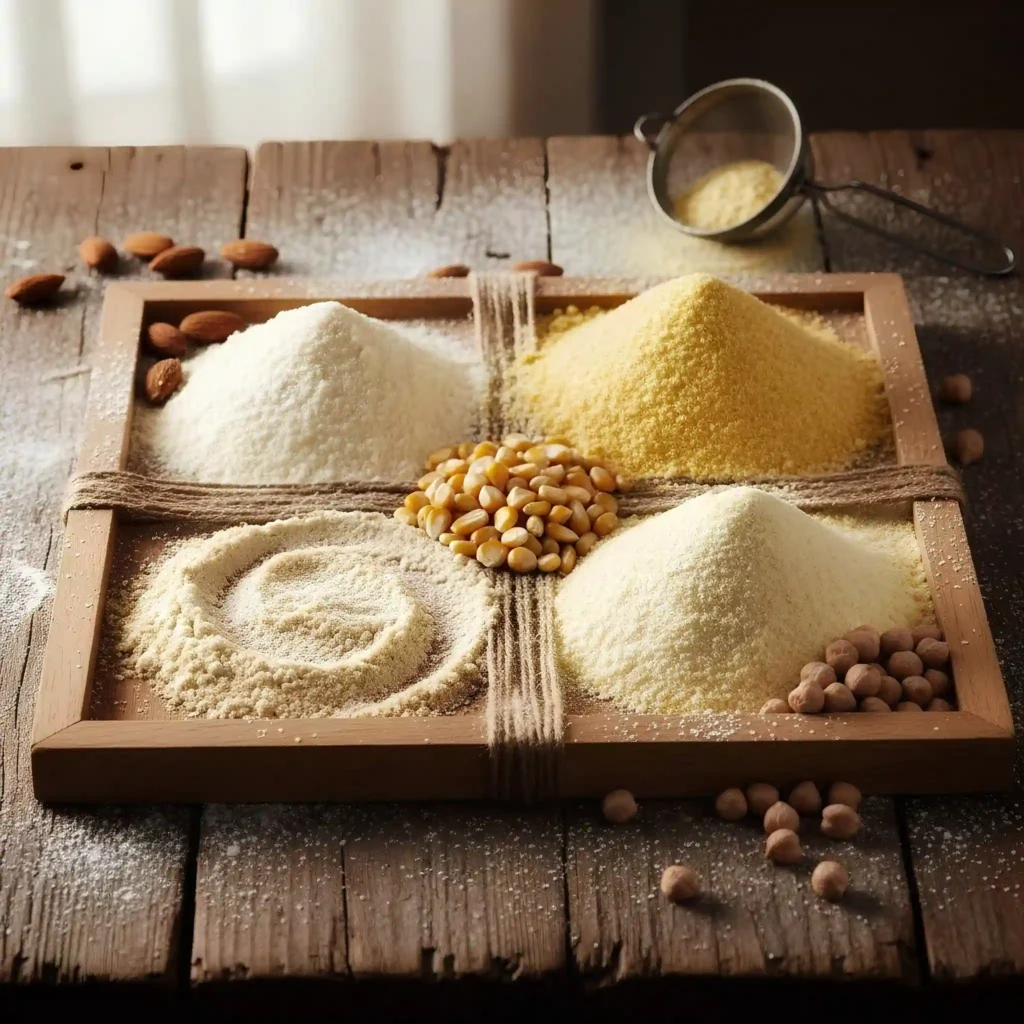
Flours in this group lack the natural elastic structure that holds the dough together because they do not contain gluten.
Therefore, when used alone, they usually yield results that fall apart or crumble.
To capture the desired consistency and save the structure, these flours must be supported with binding agents such as eggs, chia seeds, or xanthan gum.
1. Rice Flour
Rice flour has a very neutral taste and a fine texture.
With this neutral profile, it can provide consistency without overpowering the taste of other ingredients.
However, its high starch content does not provide elasticity. Therefore, brittle results are obtained when used alone.
Usage Areas:
- Thickener: It can be used to achieve that famous smooth consistency in milk-based desserts like rice pudding (Sütlaç).
- Crispy Coatings: When added to frying batters (especially in Asian cuisine), it ensures the ingredient absorbs less oil and stays extra crispy.
- Gluten-Free Base: It forms the main body as a “filler” in gluten-free flour mixes but must be supported with binders.
2. Cornmeal / Corn Flour
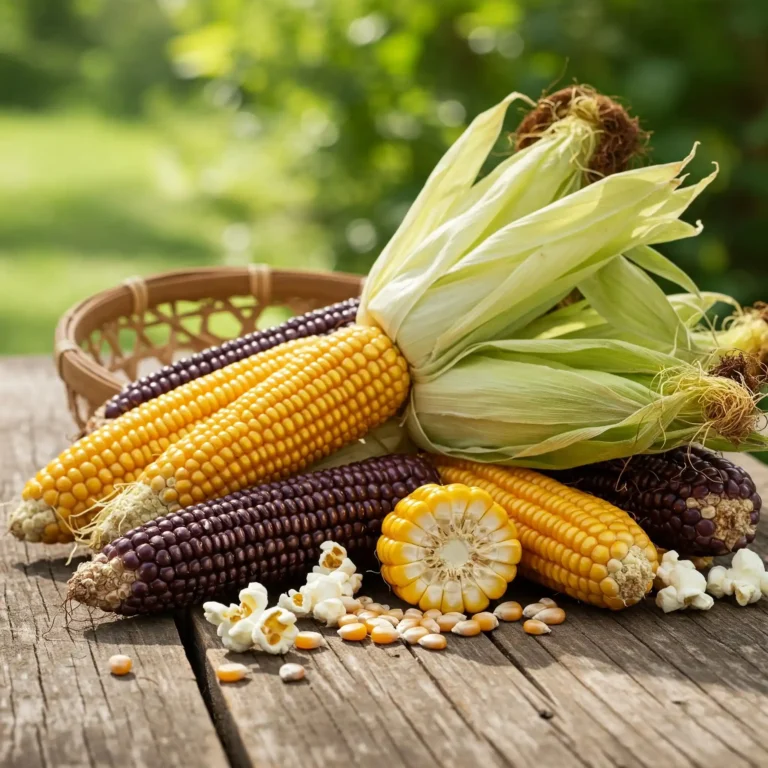
It distinguishes itself immediately from wheat flour with its yellow color and granular structure.
When combined with water, cornmeal takes on a porridge-like consistency rather than an elastic dough.
Therefore, it does not give good results alone in yeasted products expected to rise significantly; the resulting product becomes dense.
Usage Areas:
- Regional Delicacies: It is the main ingredient in Cornbread and Kuymak (a cheese fondue dish), indispensable in Turkish Black Sea cuisine.
- Breading: When used to coat fish or chicken, it creates a tastier and crunchier outer crust compared to wheat flour.
- Anti-Stick: It is frequently sprinkled on the bottom of trays or peels to prevent the dough from sticking when making bread and pizza.
3. Chickpea Flour
Chickpea flour has the unique, slightly nutty, and earthy taste of legumes.
Its greatest superpower – distinguishing it from other gluten-free flours – is its binding ability.
Its high-protein and dense starchy structure shows a combination similar to eggs when it meets water.
Therefore, it is also known as an “egg substitute” in vegan cuisine.
Usage Areas:
- Meatballs & Batters: It is perfect for preventing falafel and vegetable fritters from falling apart. It can also be used instead of breadcrumbs in classic meatballs.
- Vegan Omelet: When mixed with water and spices and cooked, it gives a texture and flavor similar to an omelet. Ideal for those bored with boiled eggs.
4. Almond Flour
Technically not a “flour,” but a powder obtained by very finely grinding blanched almonds.
Almond flour is very low in carbohydrates and very high in healthy fats. This high fat content adds incredible moisture and softness to pastries.
However, you must remember that you cannot build a structural framework (rising) with almond flour alone.
Usage Areas:
- Delicate Pastry: It is the main ingredient of world-famous French Macarons.
- Low Carb (Keto) Recipes: It can be preferred instead of wheat flour in making bread or moist cakes. But let’s not forget to add strong binders like eggs. 😉
Flour Storage Conditions and Shelf Life

How flour is stored is just as decisive on the final product as the quality of the flour itself.
Spoilage is observed in a short time in incorrectly stored flour due to moisture and harmful organisms.
Therefore, it should be stored in cool, dry environments away from light.
Glass jars and airtight containers prevent the flour from absorbing external odors.
A Short Note
Refined white flour has a longer shelf life thanks to its low fat content.
On the other hand, high-fat flours like whole wheat flour and almond flour can spoil more easily.
These types of flour need to be stored in the refrigerator or freezer.
Final Words

Flour is not just a simple powder; it is the most fundamental building block that determines the fate of recipes.
All-Purpose, Whole Wheat, Bread and Cake Flours, Rice, Corn, Chickpea, and Almond Flour.
All these flour types allow you to create completely different textures in the kitchen with their unique protein ratios and characteristic properties.
I hope you can turn everything you learned into magnificent recipes with GastroCafer’s guide.
Continue your gastronomy journey with: “Culinary Cinema” and “How to Store Spices“.
Cafer Can Yeşilyurt
Useful Resources