GastroCafer'e Hoş Geldiniz!



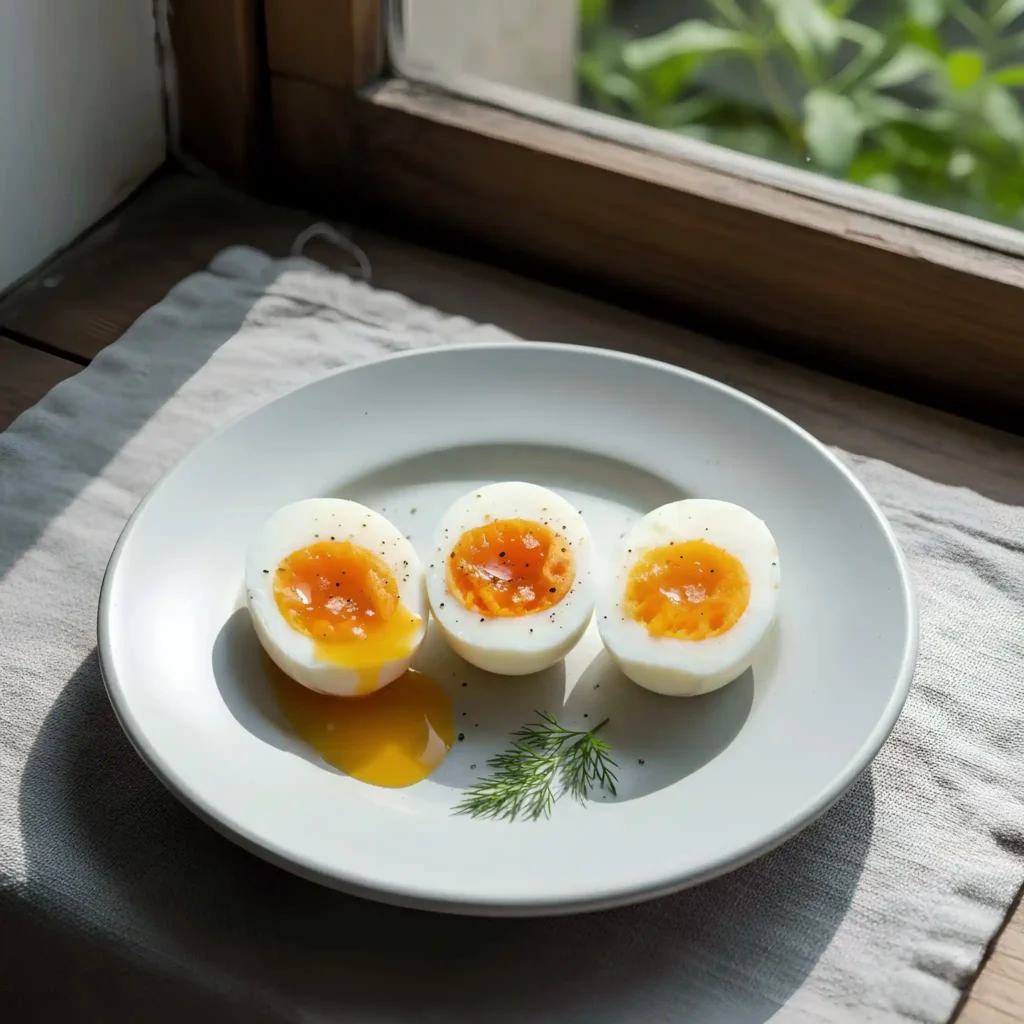
Boiled eggs are essential for breakfast tables due to their practicality and nutritional value.
Whether we prefer soft or hard-boiled, one question always occupies our minds:
How many minutes does it take to boil an egg?
As you might guess, there is no single answer to this question.
Some prefer a runny texture for the yolk, while others expect a very firm consistency.
What about you?
If you have the answer and the water ready, let’s learn together how to boil an egg, what a soft-boiled egg is, and the calorie value of an egg!
GastroCafer wishes you enjoyable reading.
How Many Minutes to Boil an Egg and How?
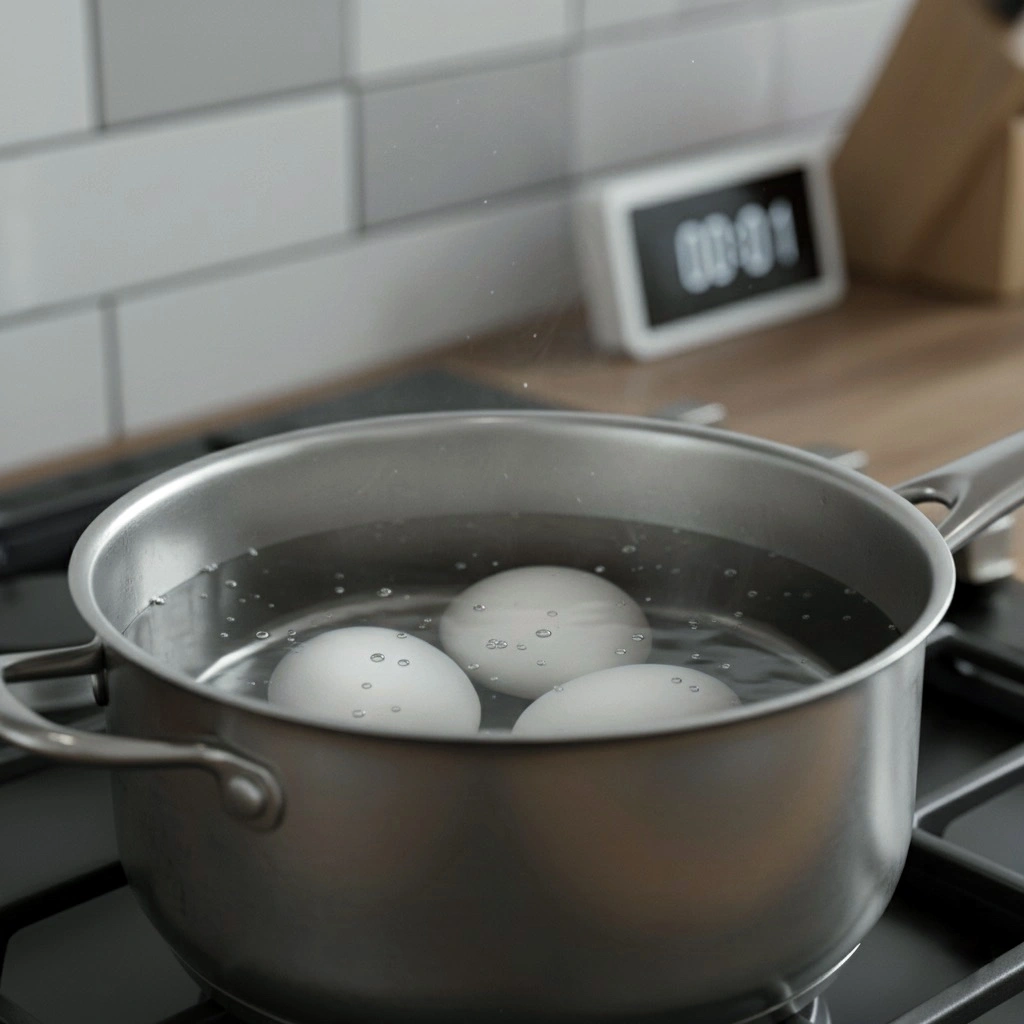
Boiling an egg fundamentally depends on the cooking time and applying the right technique.
Boiling time determines the final consistency, while water temperature directly affects cracking and peeling.
First, place room-temperature eggs in a pot and add enough cold water to cover them.
Then, turn the stove to medium heat and wait for the water to boil slowly.
This method increases the temperature gradually, minimizing the risk of the shells cracking.
You can start the timer once the water begins to boil to keep your mise en place on schedule.
1. Soft-Boiled Egg
If you want a soft-boiled consistency, 3 to 4 minutes after boiling is ideal.
In this time, the white cooks fully while the yolk remains fluid and perfect for dipping.
At 5 to 6 minutes, the yolk darkens slightly but remains soft enough for a spoon.
This duration is ideal for those who love “jammy” boiled eggs.
2. Medium-Boiled Egg
For medium-boiled eggs, you can keep the boiling time between 6 to 7 minutes.
In this state, the center remains slightly soft while the edges become firm.
Medium-boiled eggs are frequently preferred in breakfasts, salads, and ramen bowls.
3. Hard-Boiled Egg
For a fully cooked egg, 9 to 10 minutes is sufficient.
Exceeding 11 minutes may cause a gray-green ring to form around the yolk.
This color change results from a reaction between iron in the yolk and hydrogen sulfide.
This reaction creates a compound called iron sulfide (FeS), causing that gray-green color.
Although edible, this ring can leave a sulfurous taste in your mouth.
Should You Start Boiling with Hot or Cold Water?
Some experts recommend dropping eggs into boiling water for the easiest peeling experience.
This method prevents proteins in the white from sticking to the shell and saves time.
However, starting with hot water increases the risk of cracking and rubbery whites.
Therefore, the most consistent result for taste and appearance comes from starting with cold water.
When the time is up, immediately place eggs in ice water to stop overcooking.
This “shocking process” also helps the eggs separate from their shells much more easily.
In summary, the formula for a perfect boiled egg is quite simple:
Start with cold water, time it from the boil, and shock with cold water. 😉
What Is a Soft-Boiled Egg?
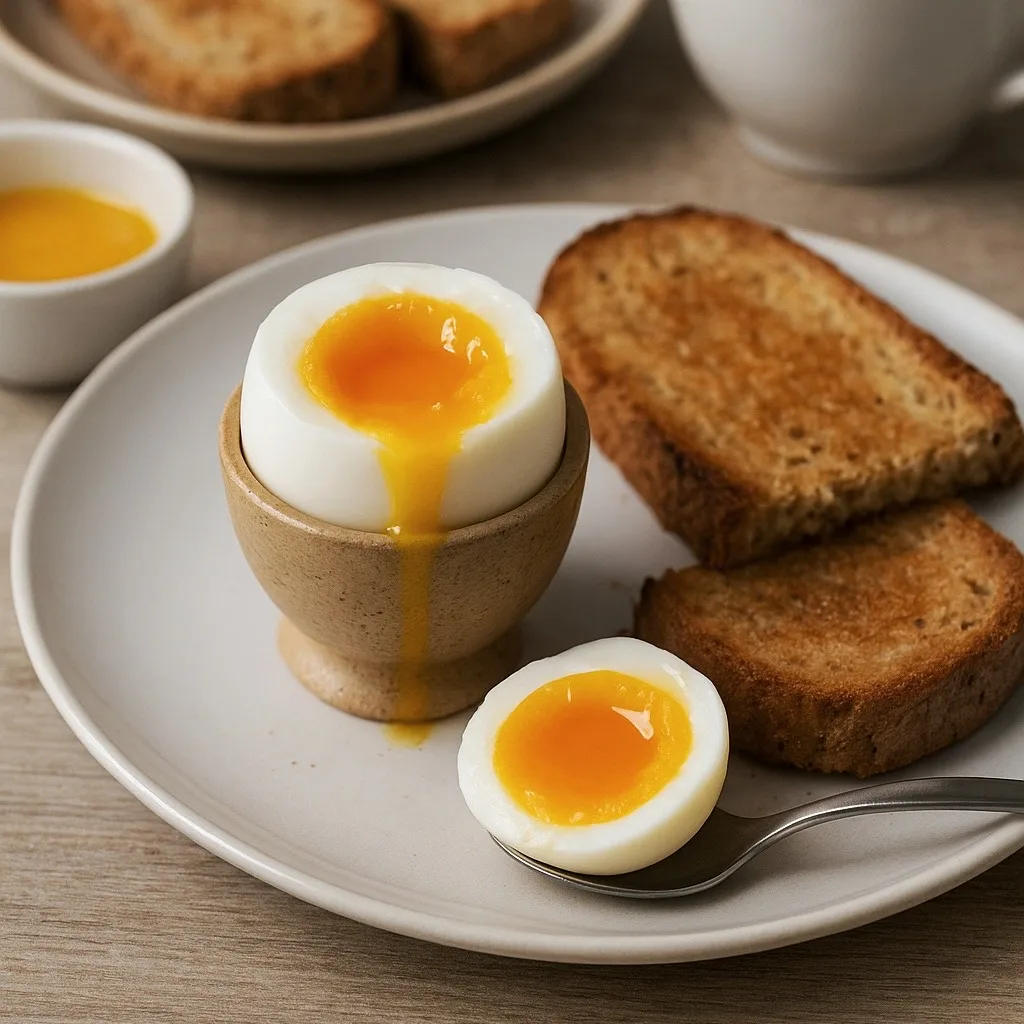
A soft-boiled egg is a boiled egg with a slightly solidified white and fluid yolk.
It has become a classic breakfast choice, especially for those who love dipping bread.
The secret to this consistency is a short cooking time of 3 to 4 minutes.
When time is up, you must transfer eggs to cold water to stop cooking.
Otherwise, the internal heat will solidify the yolk, and the desired texture will vanish.
You should try easy-to-digest, protein-rich soft-boiled eggs with a nice cherry tomato now!
How Many Calories Are in an Egg?
Eggs are a low-calorie food with very high nutritional value.
According to USDA data, a large egg contains about 70–78 calories and 6–7 grams of protein.
On the other hand, the protein quality of eggs is exceptionally high.
It contains all 9 essential amino acids that our bodies must obtain from outside sources.
It is also a rich source of B12, Vitamin D, selenium, and choline.
Note: Choline is a vital nutrient that supports brain functions and cell membrane construction.
The Place of Boiled Eggs in a Healthy Diet
Boiled eggs are a cornerstone of diet programs since no extra oil is added.
Consuming them in a salad provides satiety for a long time due to rich proteins.
It also provides solid support in meeting our daily protein needs.
To summarize, adding a boiled egg to your breakfast plate offers a practical start.
Final Words

Although seemingly simple, boiled eggs are a food where small details create big differences.
Every egg made with the right time and method means a delicious start to the day.
Remember, the perfect egg comes from starting cold, catching the boil, and shocking cold.
If you follow these three steps correctly, you can achieve that flawless consistency you desire.
Don’t forget, GastroCafer is always with you with the fundamental knowledge of gastronomy! 😉
Continue your gastronomy journey without slowing down with “How Long to Boil Potatoes?” and “Butter vs. Margarine“!
Cafer Can Yeşilyurt
Helpful Resources
- What is the cholesterol content of eggs?
- An Egg-cellent Source of Nutrition
- Choline
- How Much Is a Pinch?
- The Golden Egg: Nutritional Value, Bioactivities, and Emerging Benefits for Human Health
- Perfect Hard-Boiled Eggs
- The Health Benefits of Egg Protein
- Protein in Egg
- Yumurta Kaç Dakikada Haşlanır?
- Gassy Eggs