GastroCafer'e Hoş Geldiniz!



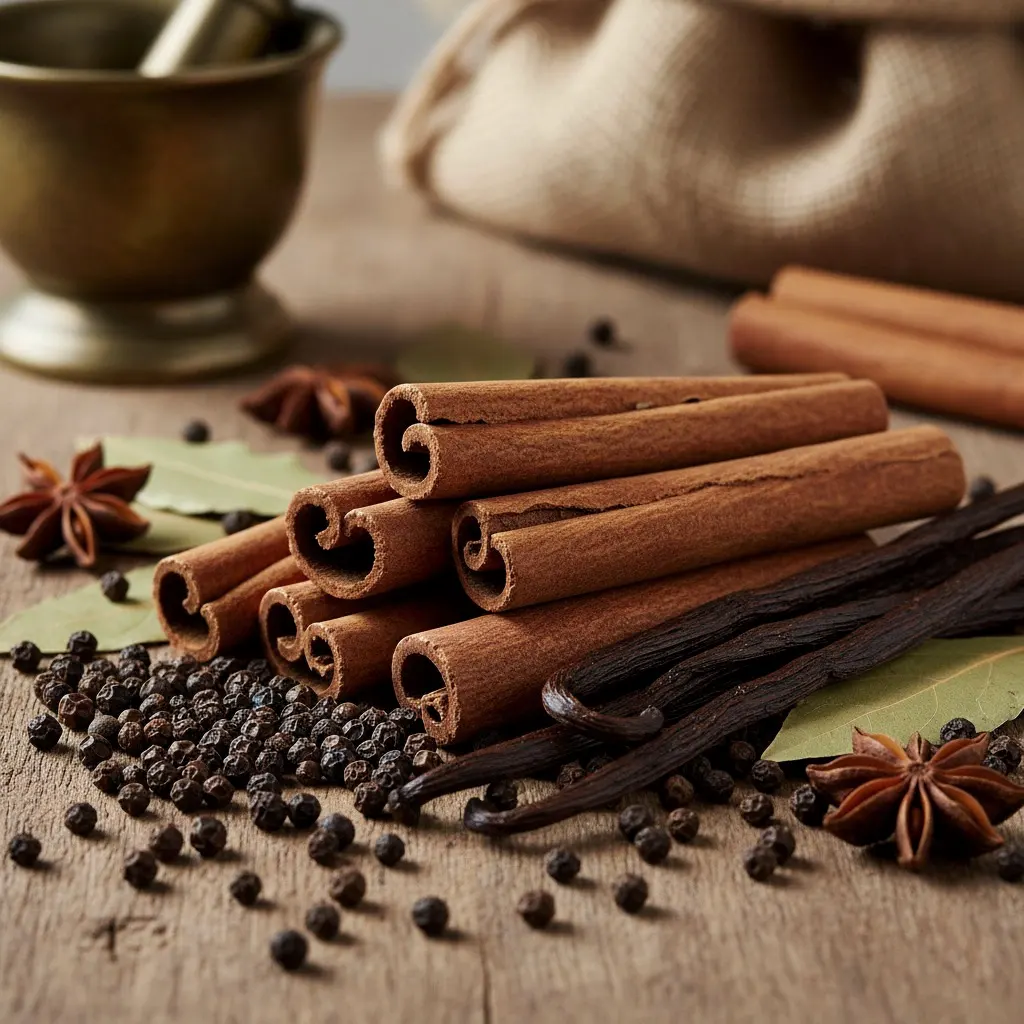
Spices are the unsung heroes of a delicious meal.
The defining element that sets the aroma and character of a dish is undoubtedly the right choice of spices.
However, even the highest quality spice will rapidly lose its aroma, color, and potency if stored under the wrong conditions.
I can almost hear you asking, “Then GastroCafer, how should we store them?”
Let’s not waste any time and first focus on why spices spoil in the first place.
Why Do Spices Spoil?
Spices are derived from natural plants, seeds, barks, or roots.
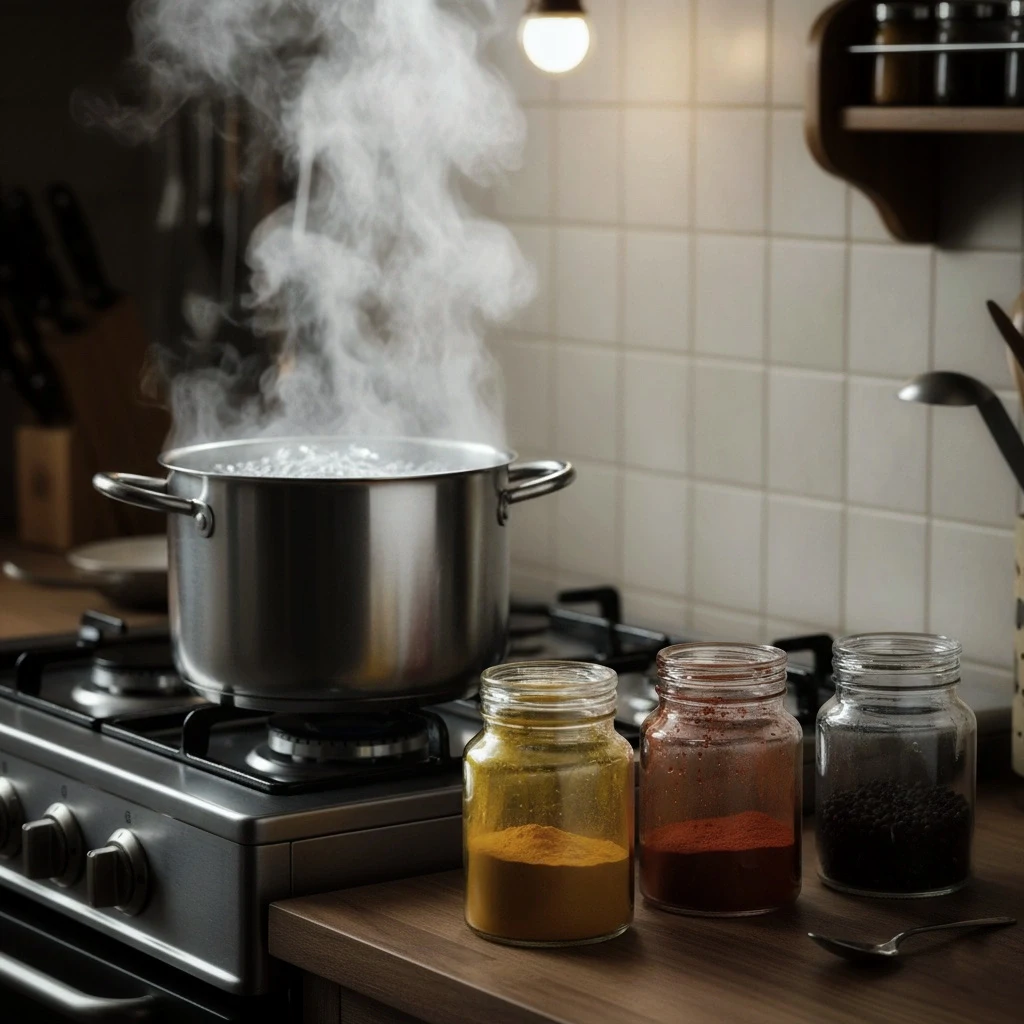
Because they are organic materials, it is inevitable that their chemical structures will change when exposed to external factors (like light, moisture, air, and heat).
Especially, ground spices spoil much faster than whole spices.
This is because the grinding process increases the product’s surface area, exponentially increasing its contact with oxygen.
Here are the signs that your spices have been stored incorrectly:
- Color Fading: (for example, red chili powder turning brown/grey)
- Loss of Aroma: The scent becomes weak or disappears entirely.
- Clumping: Hardening due to moisture absorption.
- Mold or Off-Odors: A musty smell indicates spoilage.
If you notice even one of these signs, it is time to replace your spice.
Note: I honestly didn’t enjoy organizing the spice racks much during my hotel internship. 🙂
The 5 Golden Rules of Spice Storage
To maintain the freshness of your spices, there are a few fundamental rules you must follow.
Here is the step-by-step guide to proper spice storage:
1. Keep Them in the Dark
Direct sunlight is a spice’s worst enemy.
Light not only fades the color of spices but also breaks down the essential oils that carry the flavor.
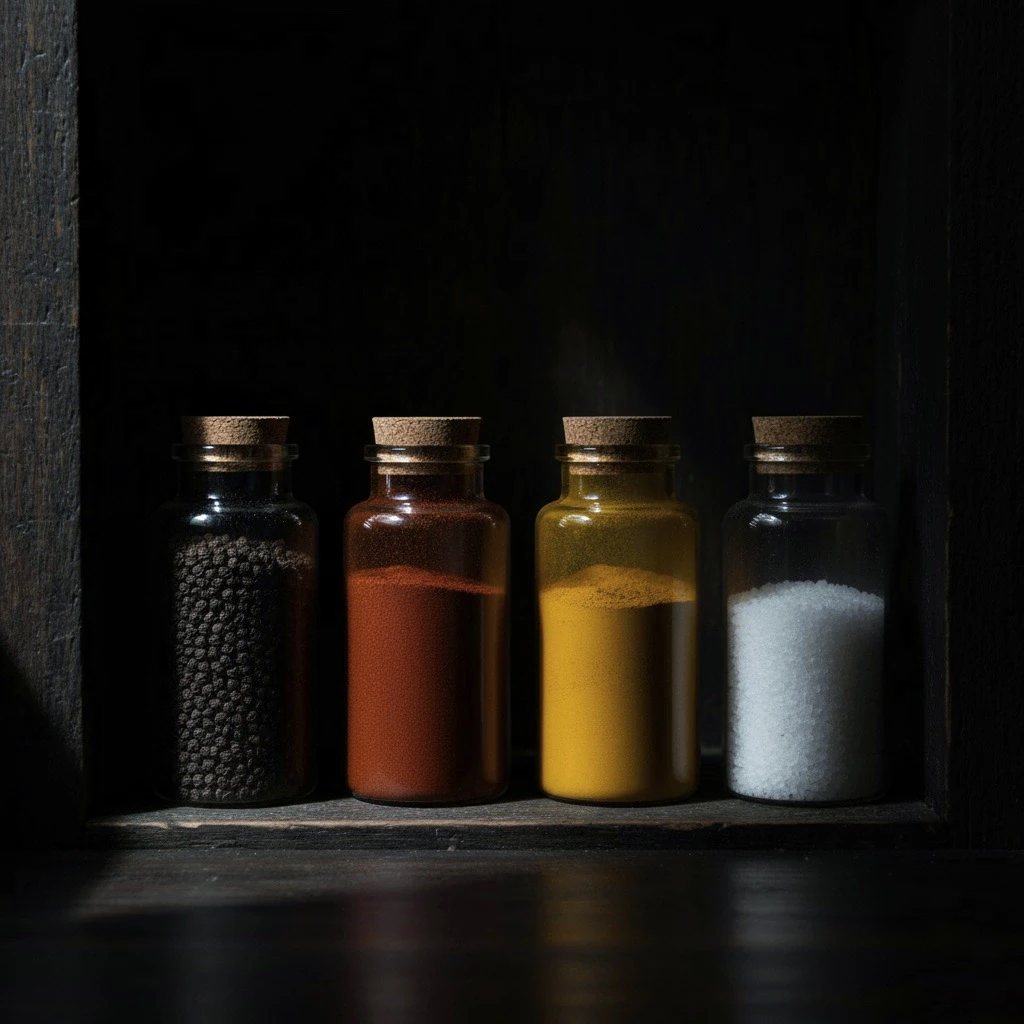
If you store your spices in clear glass jars, make absolutely sure to keep them inside a cabinet where light cannot reach them.
2. Protect From Moisture
Just like with flour, humidity is a major factor that ruins freshness.
In a kitchen, areas near the stove, kettle, or dishwasher are quite humid due to steam.
You must keep your spice racks away from these “danger zones.”
Spices stored in humid environments will clump, mold, and become unusable in a very short time.
3. Use Airtight Containers
Spices left open to the air are in constant contact with oxygen, causing them to lose their aromas rapidly.
Therefore, glass jars with airtight seals are the most ideal storage method.
Instead of keeping them in single-use plastic bags or flimsy packaging that doesn’t seal well, transfer your spices into small glass containers.
4. Choose Whole Spices Over Ground
Buying spices like black pepper, cloves, coriander, and cumin in their whole seed form is crucial.
Grinding them only when needed is one of the most effective ways to preserve freshness.
Whole spices retain their essential oils for much longer, and their flavor is significantly more intense when freshly ground.
5. Label Everything
Always store your spices with a date label.
Knowing exactly when you bought a spice makes it easier to track its freshness.
This habit is particularly useful for those exotic spices you don’t use every day.
You Might Be Interested: How Long Does It Take to Boil an Egg?
Bonus: How Should Your Storage Area Be?
If you want to create an organized and efficient spice station in your kitchen, here are a few practical tips:
- Cool and Dry: Store your spices in a cool cabinet, far away from heat sources (oven, stove, toaster).
- Opaque is Better: If you keep them on a counter, prefer opaque (non-transparent) containers to block light.
- The Freezer Trick: You can store spices you don’t use often in small glass bottles in the freezer. This works particularly well for pigmented spices like red chili powder and turmeric to lock in their color.
Final Thoughts

Understanding the correct storage conditions for spices is a fundamental skill that everyone working in a kitchen should know.
Remember, properly stored spices add not just flavor, but a solid foundation to your meals.
Wishing you a wonderful dish with enjoyment of fresh spices! Goodbye for now.
Continue your gastronomy journey with: “Types of Onions” and “How Long to Boil Potatoes?“.
Cafer Can Yeşilyurt
Useful Resources