Each one reflects the palate, climate, and nutritional understanding of a different culture. This diversity has allowed the salad to become a universal language of food.
Furthermore, salads are key to healthy eating and quick, practical meals.
In this comprehensive guide, GastroCafer will focus on the most common salad types on our tables and provide usage tips.
My goal is to offer you complete clarity in choosing the option best suited for you through this guide.
Classic and Local Salad Varieties: The Power of Simplicity
Some salad varieties have maintained their place on our tables for generations, carrying a cultural legacy.
These classics defy time, retaining their popularity despite modern culinary trends.
Without further ado, let’s move on to the classic salad varieties.
1. What is Çoban Salad and What Does it Pair With?
Çoban Salad (Shepherd’s Salad), one of the most beloved salad varieties in Turkish cuisine, is certainly the peak of simplicity.
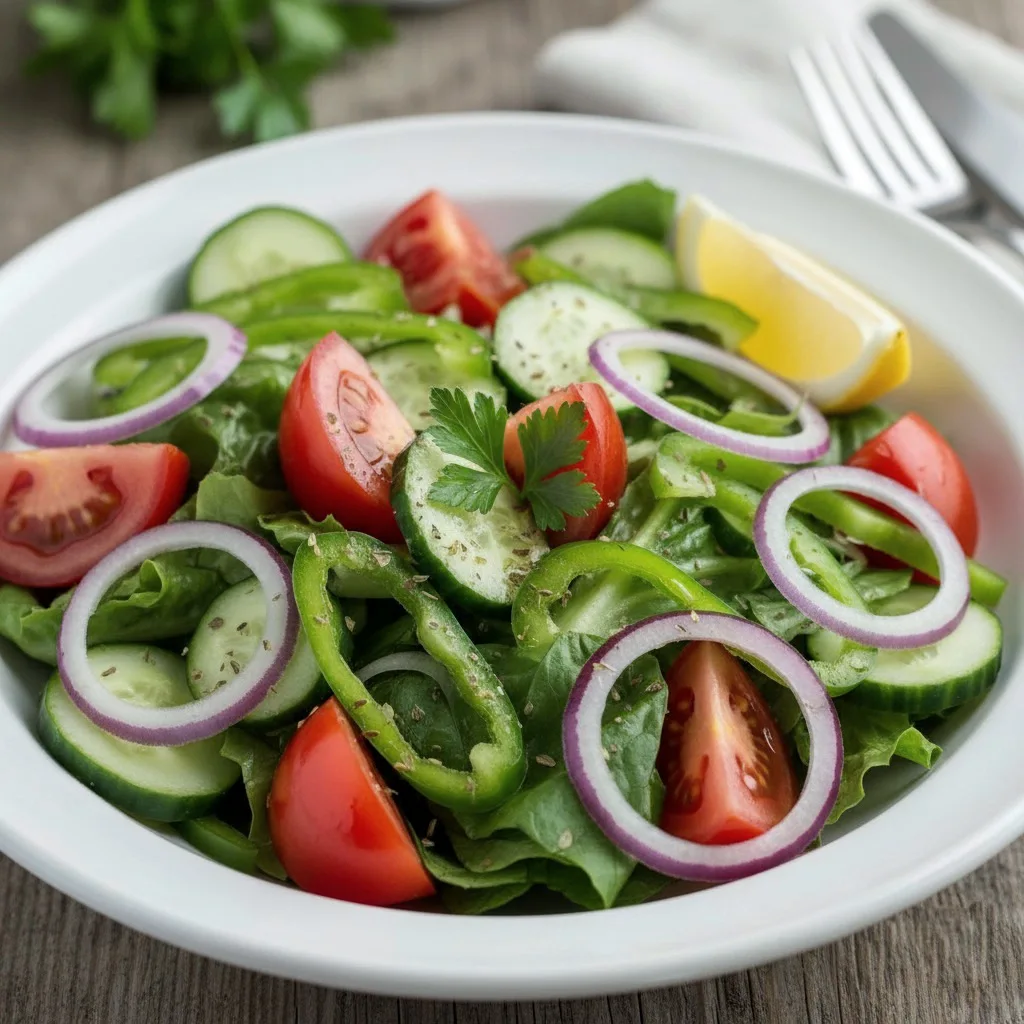
It is prepared by mixing finely diced fresh tomatoes, cucumbers, green peppers, and onions with olive oil and lemon juice.
Features
The freshness and seasonal quality of the ingredients are actually the key to Çoban Salad’s flavor.
Additionally, adding pomegranate molasses will bring a distinct aroma to this classic salad type.
Usage Tips
Çoban Salad is primarily served as an accompaniment to heavy meat dishes, barbecue, and kebab menus.
It acts as a digestive and refreshing balancer. It should also be noted that in Çoban Salad recipes, the ingredients are expected to be diced small.
2. Seasonal Salad: The Symbol of Sustainability
An indispensable item on restaurant menus, the Seasonal Salad takes its name from the variability of its content according to the season.
The contents of the dish are determined by the freshest greens and vegetables the period offers.
Features
In winter, root vegetables like cabbage, carrots, beets, and iceberg lettuce may be used.
In summer, curly lettuce, tomatoes, and cucumbers are prominent in the preparation of Seasonal Salad.
This makes it one of the healthy salad types that contributes to sustainability.
Usage Tips
Seasonal Salad can be served alongside almost any main course. They can be especially supportive in meeting your daily Vitamin C and fiber needs.
3. What is Gavurdağı Salad and How is it Made?
Similar to Çoban Salad, Gavurdağı Salad offers a special flavor from Southeastern Anatolia cuisine with its inclusion of walnuts and pomegranate molasses.
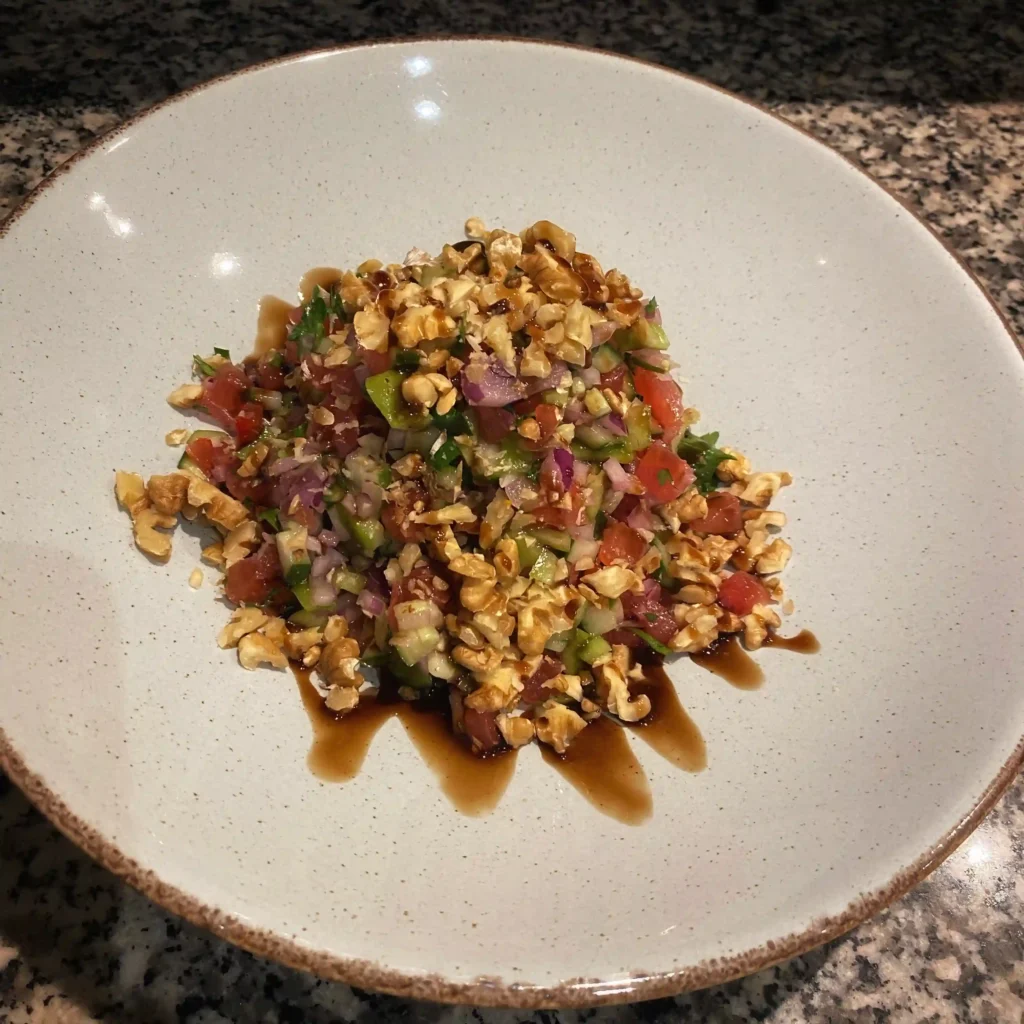
Tomatoes, cucumbers, onions, peppers, and parsley are finely chopped, and then pomegranate molasses, olive oil, and crushed walnuts are added.
Features
Walnuts and pomegranate molasses add a rich, sweet-and-sour taste to this salad type.
The key to the Gavurdağı presentation is chopping the ingredients as small and as uniformly as possible.
Usage Tips
It serves as a balancing element alongside Turkish local delicacies such as kebab, lahmacun, and pide.
Note: I plated Gavurdağı salad extensively during my hotel internship in the summer of 2025. 🙂
My Gavurdağı Salad Plate
4. Garnish Salad: The Foundation of American Salad
These salads, which are enriched with mayonnaise or rich, thick sauces over boiled vegetables, stand out for their satiating quality and creamy texture.
Garnish Salad typically includes ingredients like potatoes, carrots, peas, and corn.
Features
Garnish Salad is known by different names in many cultures (Russian Salad, American Salad, Olivier Salad), but their basic structure is similar.
They serve as a satisfying garnish next to main dishes.
Usage Tips
This type of salad can be used inside sandwiches, and as an intense flavor complement when serving fried chicken/fish.
5. Piyaz Salad (Turkish White Bean Salad)
Piyaz is a salad variety in Turkish cuisine prepared by blending boiled white beans with tomatoes, tahini, vinegar, dried onions, olive oil, garlic, and lemon juice.
Due to its high fiber and plant-based protein content, it is quite filling.
Features
The white bean content of Piyaz sets it apart from other greens-based salad types.
Additionally, there are versions in some regions with tahini (Antalya Piyaz) and plenty of onions.
Usage Tips
Piyaz Salad can be preferred alongside heavy meat dishes and stews, especially grilled meatballs (köfte).
Moreover, it can be a light and filling lunch alternative all on its own.
Protein-Rich Salad Varieties: Great Meals to Refuel!
With the rise of modern nutrition and healthy living awareness, the role of the salad has undergone a significant transformation for individuals.
A salad is no longer a light appetizer; it has become a satisfying main meal, especially for those who don’t want to skip meals and for athletes.
The key to this transformation lies in high-protein components like grilled chicken, tuna, and eggs.
Protein-rich salad varieties offer not just taste, but also a high-energy nutrient store that supports muscle development.
In this section, GastroCafer will delve into the protein-rich salad types that are favorites of both athletes and busy workers.
1. Chicken Salad: The Athlete’s Choice
Chicken Salad is fundamentally prepared by combining grilled or boiled chicken breast pieces with fresh greens, tomatoes, and light dressings.
Features
Thanks to its high-quality protein content, it supports muscle development and provides a long-lasting feeling of satiety.
Furthermore, Chicken Salad is suitable for low-carbohydrate diets.
Usage Tips
It is ideal for a quick recovery meal after exercise and for maintaining energy levels during busy workdays.
2. Tuna Salad: A Source of Omega-3
Tuna Salad, combined with fresh greens, particularly stands out for its practicality.
In addition to high protein, it is also rich in Omega-3 fatty acids, which are beneficial for heart health.
Features
The use of canned tuna minimizes preparation time. Recipes enriched with boiled eggs, corn, and red onion are often featured.
Usage Tips
It is an excellent accompaniment for lunch. In short, Tuna Salads are a protein store wrapped in lettuce leaves, preferred over bread for those on a diet.
3. What are Legume Salads and How are They Made?
Legume Salad is indispensable in vegetarian and vegan diets.
This salad variety consists of ingredients rich in plant-based protein and fiber, such as chickpeas, lentils, and dried beans.
Features
Their high fiber content supports the digestive system and provides long-lasting satiety.
Their flavor can be elevated with fresh herbs, spices, and sour dressings like pomegranate molasses.
Usage Tips
You can increase your feeling of fullness, especially in winter months, with a Legume Salad served warm.
You should definitely give Legume Salads a chance on your vegan and healthy eating journey.
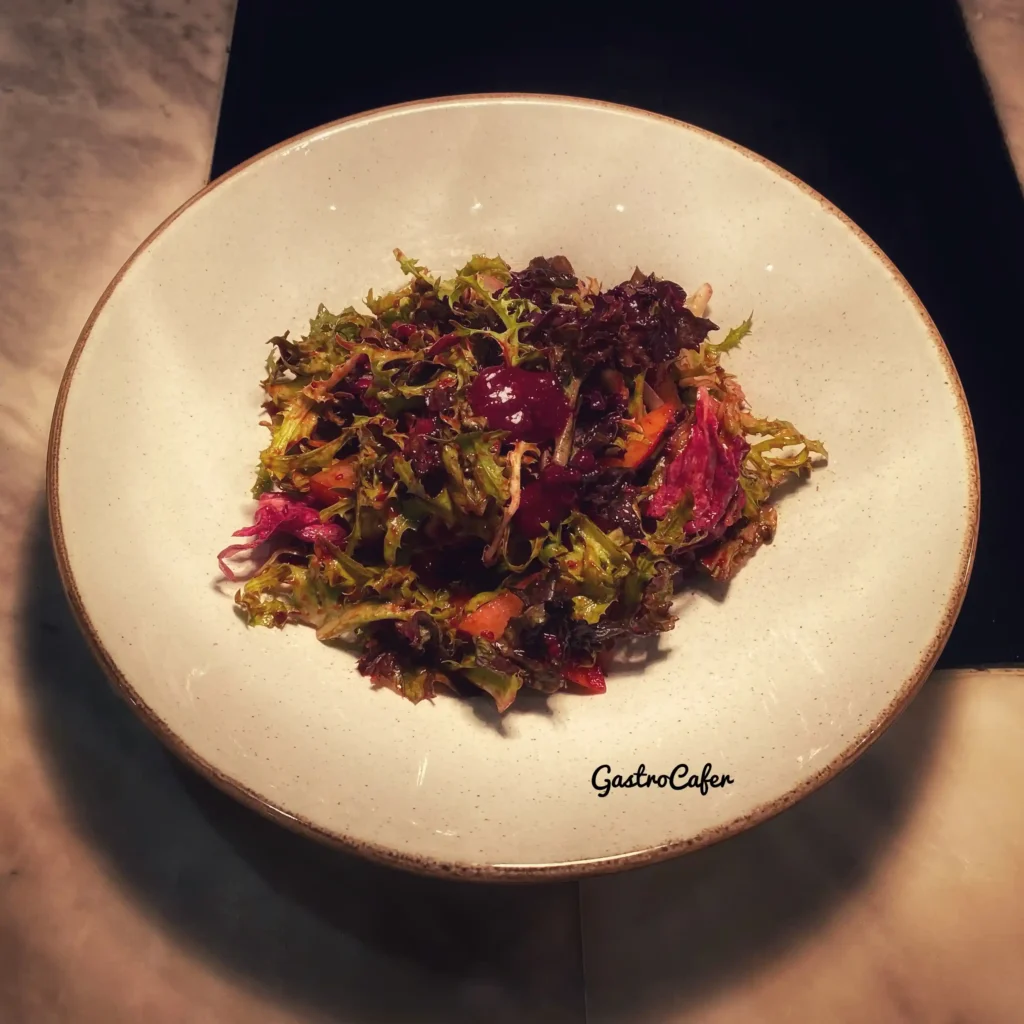
My Plum Salad Plate
4. What is Halloumi Salad?
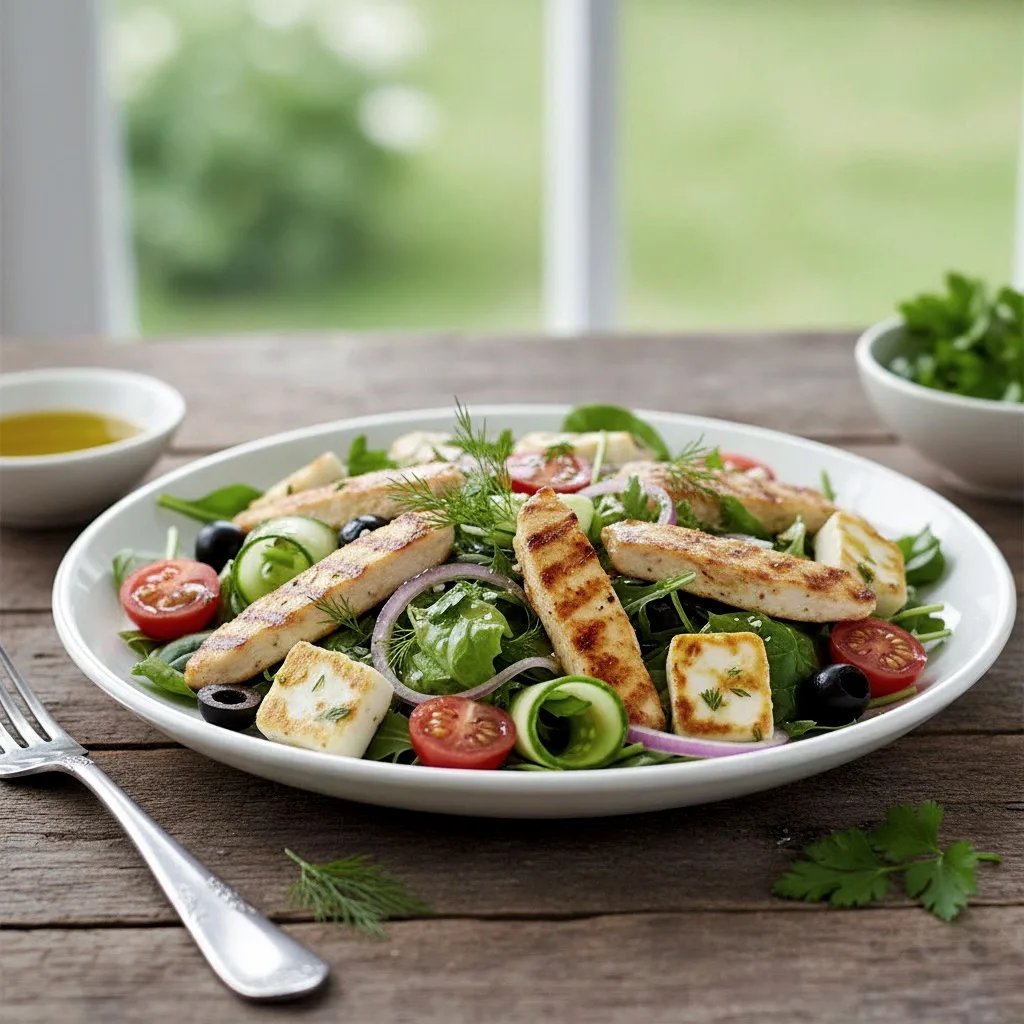
Halloumi Salad is made by grilling or frying Halloumi cheese, which is of Cypriot origin, and combining it with fresh greens and seasonal vegetables.
The warm, salty taste of the Halloumi cheese, which is crispy on the outside and soft on the inside, offers a unique flavor with the fresh greens.
Features
The combination of high-protein Halloumi with warm and cold components distinguishes this salad from other varieties.
Usage Tips
Reflecting the Mediterranean cuisine, Halloumi Salad can be consumed as a satisfying main meal on its own.
It is usually served with a light dressing containing pomegranate molasses, thyme, and olive oil.
5. What is Quinoa Salad and How is it Prepared?
This salad type, prepared with the quinoa grain (especially for those eating gluten-free and seeking plant-based protein).
Boiled quinoa is mixed with diced fresh herbs, seasonal vegetables, and an acidic dressing.
Features
Quinoa Salad provides long-lasting satiety thanks to its high fiber and protein content. Its low glycemic index is another important feature.
Usage Tips
Since it can be consumed cold and is easy to transport, it can be a practical office lunch.
The content of Quinoa Salad can be easily changed according to the season (by adding tomatoes, corn, peppers, beet, etc.).
Salad Varieties from World Cuisines
Salad is a universal food that transcends geographical boundaries and has found its place in different culinary cultures.
From French elegance to Mediterranean freshness, from America’s satisfying portions to Italian simplicity, world cuisines bring countless popular salad types to our tables.
This section will zoom in on popular salads from global cuisines, examining the characteristics of each, from Caesar Salad to Greek Salad.
1. Caesar Salad
Caesar Salad was actually first made in Tijuana, Mexico, by Italian chef Caesar Cardini.
Caesar Salad is far more than an ordinary green salad, possessing a special texture and flavor balance.
It fundamentally consists of romaine lettuce, crispy croutons, Parmesan cheese, anchovies or grilled chicken breast, and of course its signature Caesar dressing.
Features
The distinctive power of Caesar Salad lies in its dressing.
Traditional Caesar dressing is made by masterfully blending anchovies, egg yolk, garlic, Dijon mustard, extra virgin olive oil, Worcestershire sauce, spices, and fresh lemon juice.
This dressing provides the salad with both umami depth and its famous texture.
Usage Tips
Caesar Salad can be transformed into a great protein-rich main course with ingredients like grilled chicken and shrimp.
However, it should be remembered that croutons and Caesar dressing can make the salad high-calorie.
2. Greek Salad (Choriatiki – Horiatiki)
One of the finest examples of the Mediterranean diet, Greek Salad offers the perfect balance of fresh vegetables and cheese.
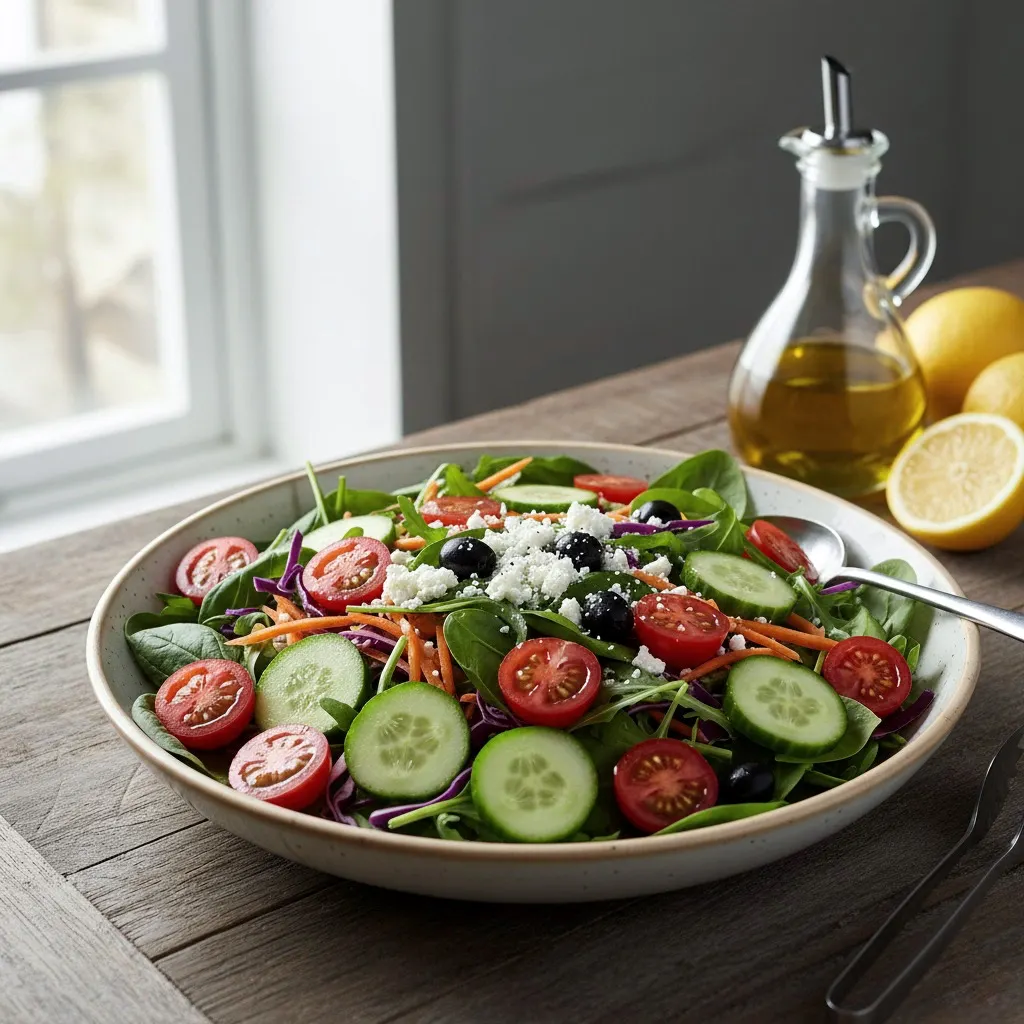
It includes thickly sliced red onion, tomatoes, cucumbers, Kalamata olives, and a large slice of Feta cheese.
Features
High-quality olive oil is essential for Greek Salad. The salty and intense taste of the native Greek Feta cheese is balanced by the freshness of the vegetables.
Usage Tips
Especially in the summer months, Horiatiki can be preferred for its cooling and light effect.
Moreover, you can confidently serve it alongside grilled seafood.
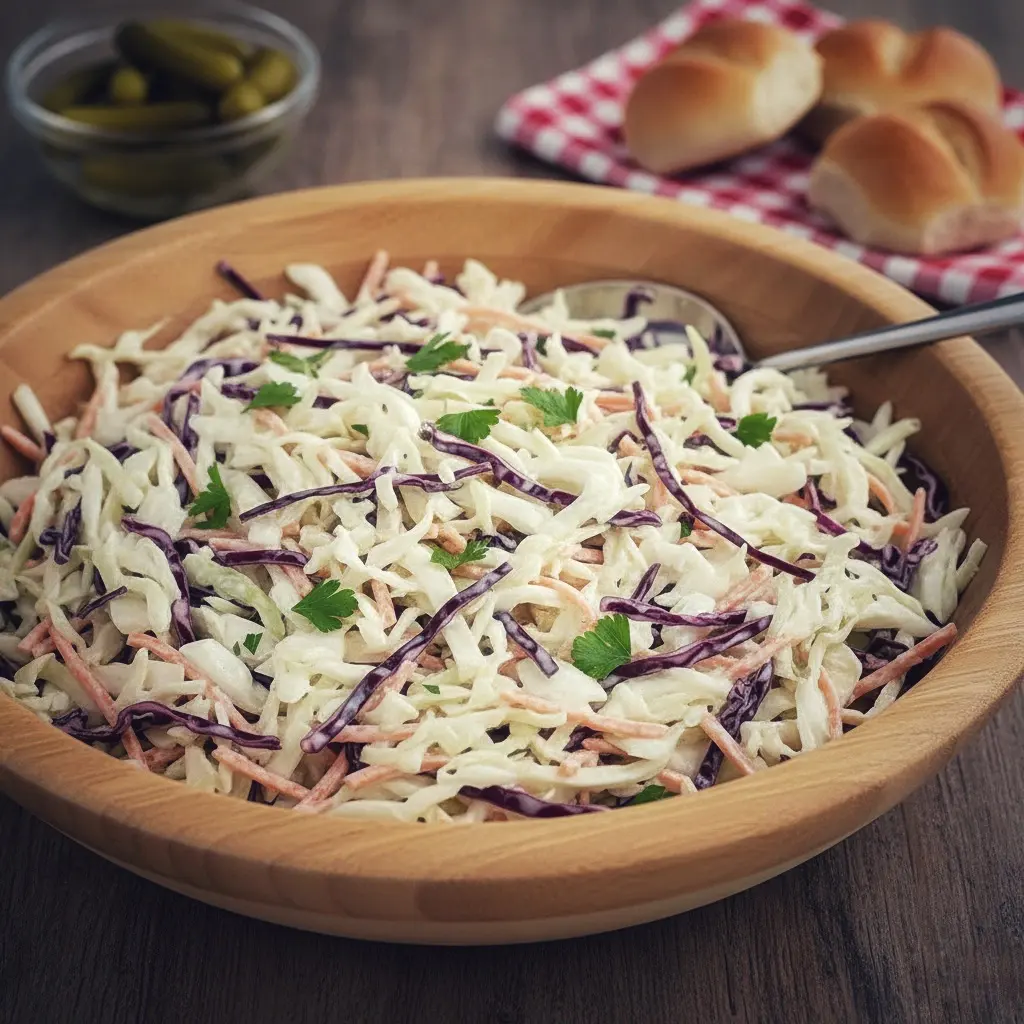
3. Coleslaw (White Cabbage Salad)
Of Northern European origin (Netherlands), Coleslaw has become one of the most popular garnishes in North American cuisine.
This salad variety is basically prepared by blending finely sliced/shredded raw white cabbage and carrots with a mayonnaise-cream-based dressing.
Features
The key feature of Coleslaw is that its dressing is balanced with vinegar (lemon juice can also be used) and sugar.
This balance of taste breaks the heavy structure of the cream, ensuring the salad is refreshing.
The combination of the crisp texture of white cabbage and mayonnaise should also be noted.
Usage Tips
Coleslaw is especially served alongside fried chicken, sandwiches, and hamburgers in “Fast Food” restaurants.
This type of salad is ideal for balancing the flavor of fatty foods and supplementing fiber.
4. Cobb Salad: From America to the World
Cobb Salad, one of America’s popular salad varieties, is particularly famous for its satiating quality.
It is prepared by arranging ingredients such as lettuce, tomatoes, grilled chicken, crispy bacon, boiled egg, avocado, and a sharp cheese variety in distinct stripes over the greens.
Features
The richness and layered arrangement of the ingredients are the distinguishing features of the Cobb Salad.
This salad also falls into our protein-rich salad varieties category.
Usage Tips
Cobb Salad is usually served with a special dressing based on red wine vinegar and mustard.
Final Words
The wide world of salads will undoubtedly offer a flavor to appeal to every consumer’s palate.
Whether your choice is a satisfying meal with Caesar Salad or the simplicity of the classic Çoban Salad.
I am sure that with this GastroCafer guide, you will now see salads not just as a diet tool, but as the most delicious form of freshness.
Don’t forget to follow us, who brings a fresh perspective to gastronomy writing, and take very good care of yourself! 😉