GastroCafer'e Hoş Geldiniz!



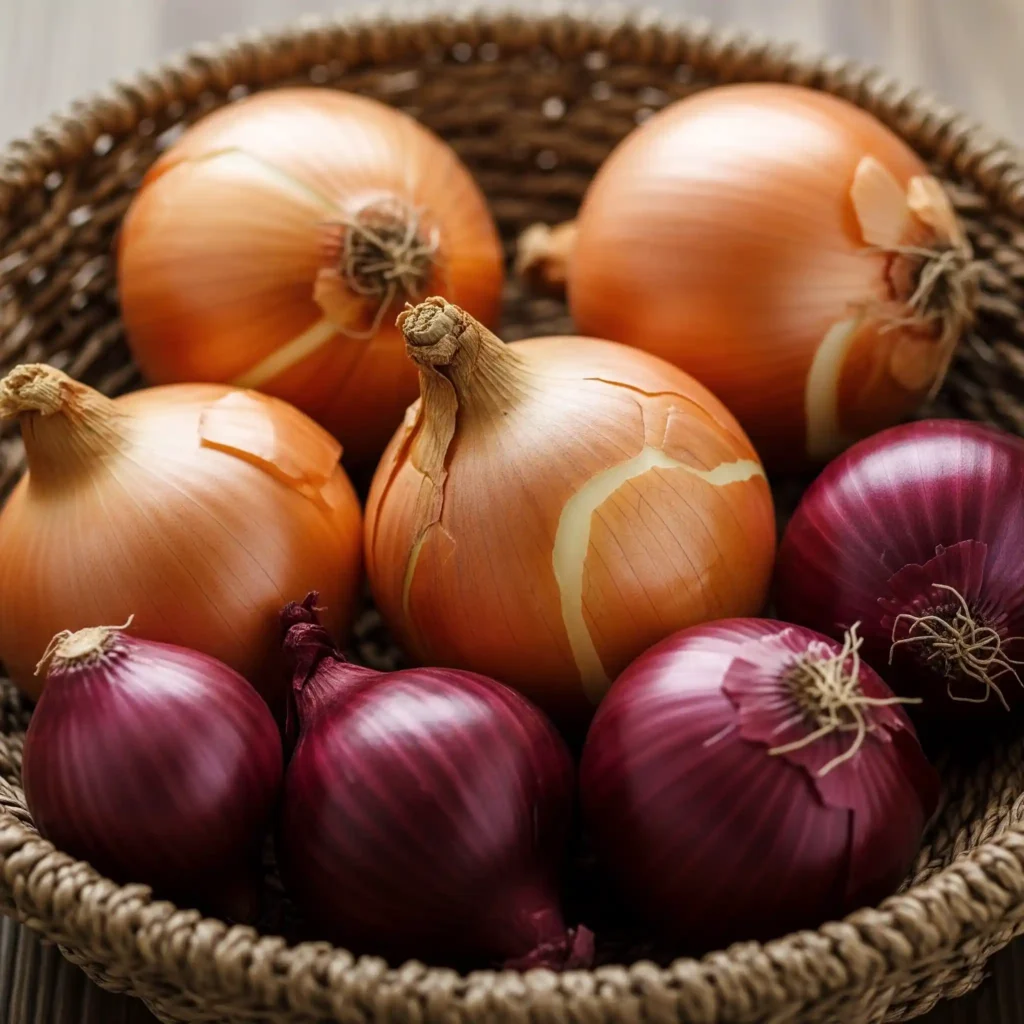
Onions are the cornerstone of modern cooking, holding a critical place in kitchens worldwide.
While they often act merely as flavor boosters, they can also take the lead role in star recipes like Stuffed Onions.
However, the word “onion” shouldn’t conjure up just a single image.
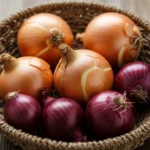
There are 7 fundamental types of onions, differing in color, flavor, and chemical properties:
White, Red, Sweet, Yellow, Shallots, Green Onions (Scallions), and Chives.
This GastroCafer guide will clear up the confusion, teaching you exactly which onion to use for onion soup or fresh salads.
So, let’s put the robot chefs aside for a moment. We are diving straight into the facts. 😉
Types of Onions: Characteristics and Uses
A Note on Raw Consumption
As an onion’s sulfur content increases, so does its pungency and tear-inducing effect.
Therefore, low-sulfur varieties are naturally sweeter and much better suited for raw consumption.
1) What is a White Onion?
Characteristics
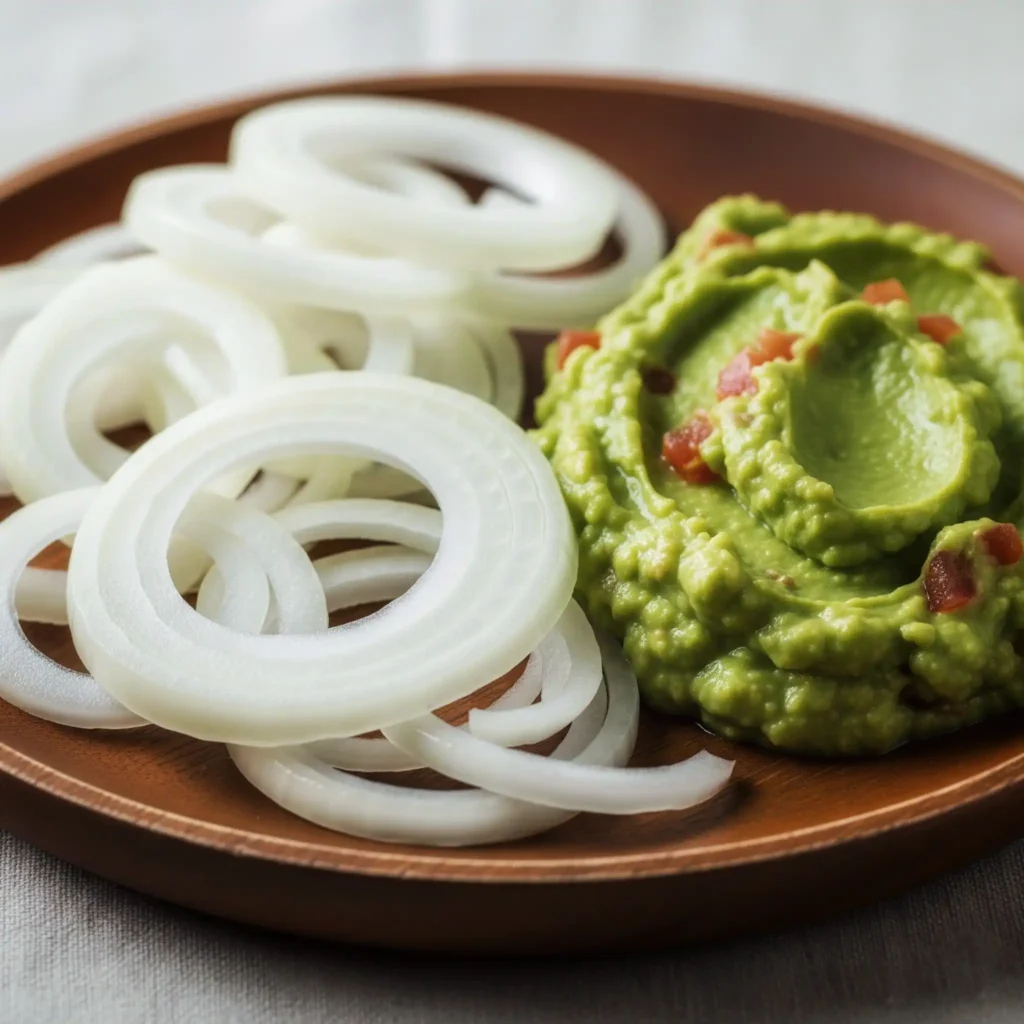
Distinguished by its papery thin skin, the white onion is an incredibly versatile vegetable.
Its sulfur content is lower than yellow onions but higher than sweet onions.
This balance makes it suitable for both raw consumption and light sautéing.
Best Uses
It is a staple in Mexican cuisine, essential for authentic salsas and guacamole.
You can also confidently use white onions in various salad recipes for a crisp bite.
2) How to Use Red Onions?
Characteristics
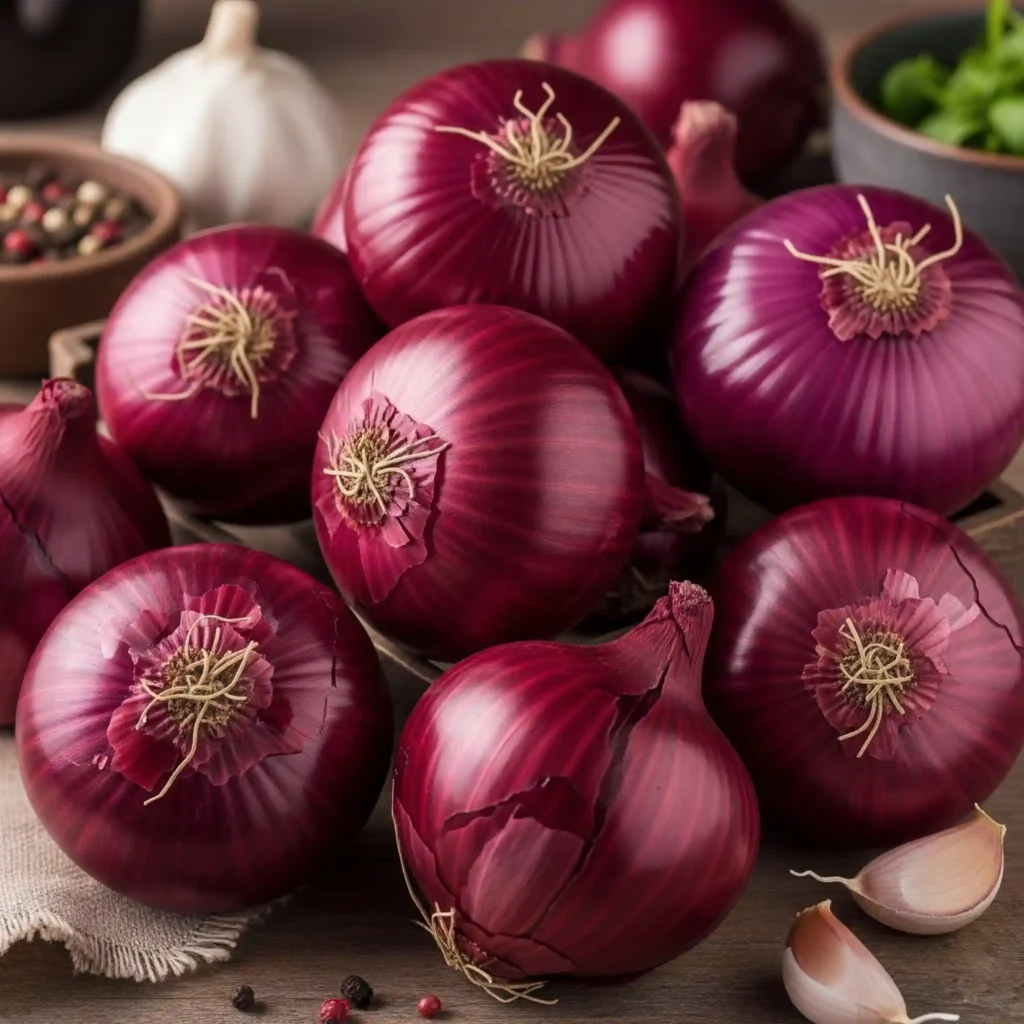
With purple skins and vibrant pink layers, the red onion is visually the most striking variety.
It has a medium-strength flavor which becomes quite prominent when eaten raw.
Red onions are also celebrated for their high antioxidant content (specifically Quercetin).
Best Uses
They add a pop of color and zest to salads, wraps, and sandwiches.
Pro Tip
In Turkish cuisine, we mix thinly sliced red onions with sumac and parsley. This makes a perfect side for kebabs and beans.
Because they hold their color well, they are also the top choice for pickling.
3) Why are Sweet Onions Ideal for Caramelizing?
Characteristics
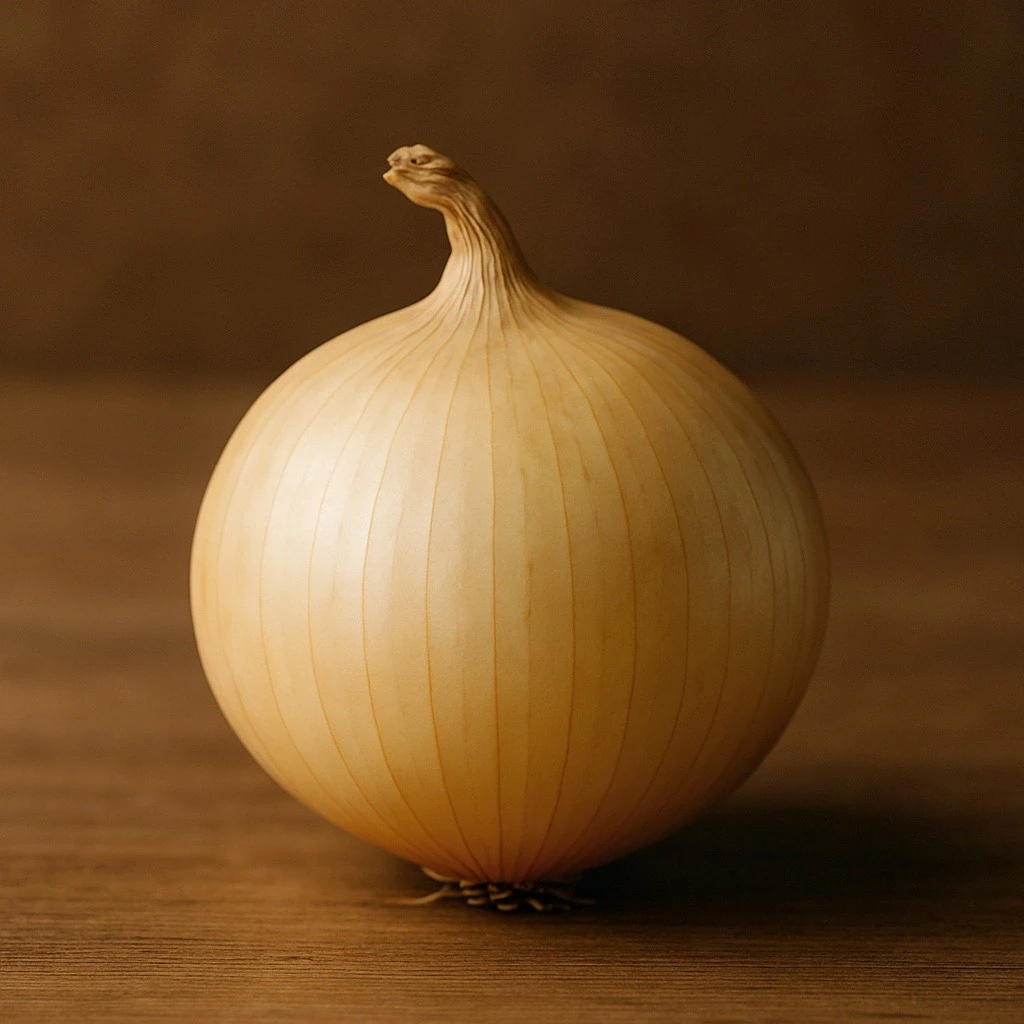
Sweet onions include famous varieties like Vidalia or Walla Walla. They are known for their high sugar content.
This natural sugar makes them incredibly popular for caramelization.
Compared to other types, they have very low sulfur, meaning fewer tears while chopping.
In short, the sweet onion is one of the best choices to include in your mise en place for eating raw.
Best Uses
Their mild flavor shines in fresh salads, burgers, and sandwiches.
When caramelized, they are perfect for pasta, pizza, and rich meat dishes.
They also pair exceptionally well with roasted vegetables.
4) How to Use Yellow Onions?
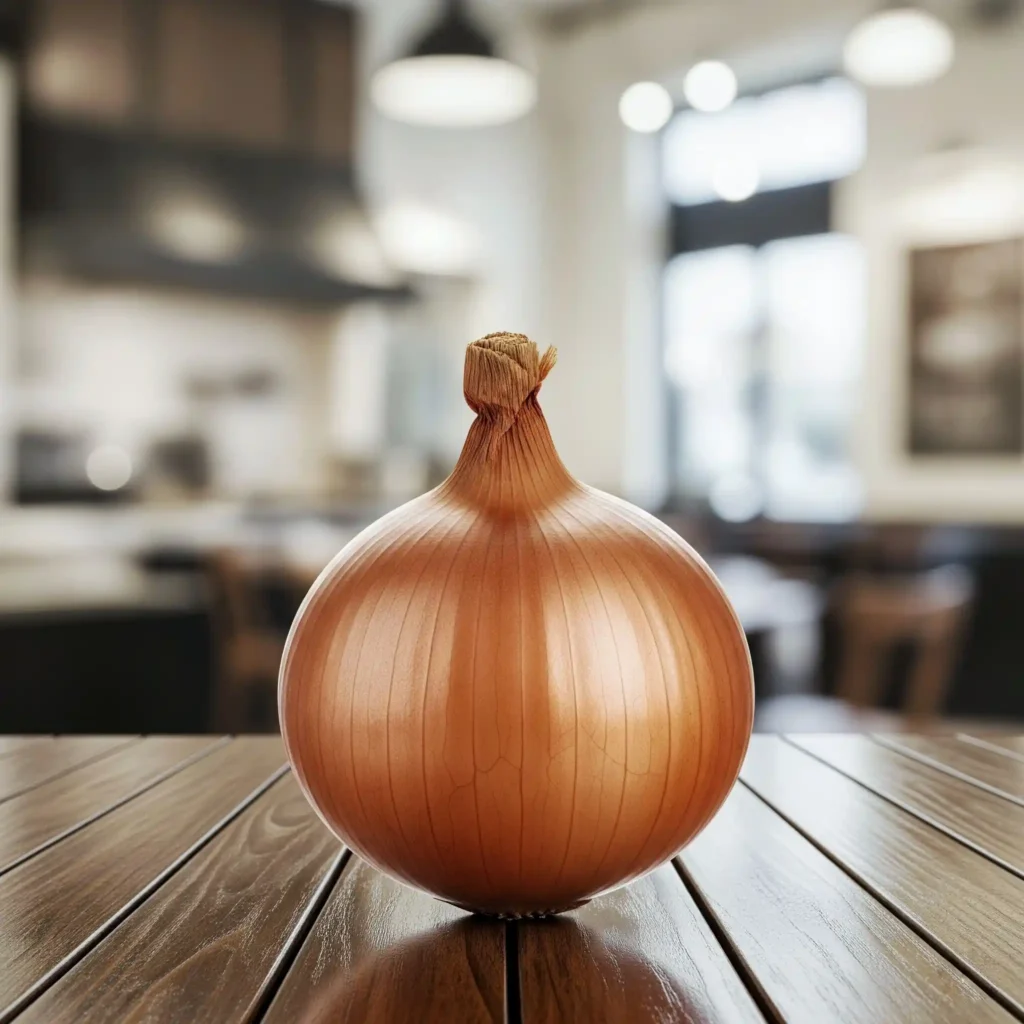
Characteristics
The yellow onion is the most common variety in Turkey and the “workhorse” of kitchens globally.
Due to its high sulfur content and tough texture, it isn’t suitable for raw consumption.
However, this same sulfur creates deep, complex flavor layers when cooked.
With its tough texture, the yellow onion stands up well to long cooking times.
Best Uses
It is the go-to onion for sautés, stews, soups, and braises.
Globally, it is considered the “workhorse” of the kitchen.
Most importantly, it is the fundamental ingredient for the classic French Onion Soup.
5) What is a Shallot?
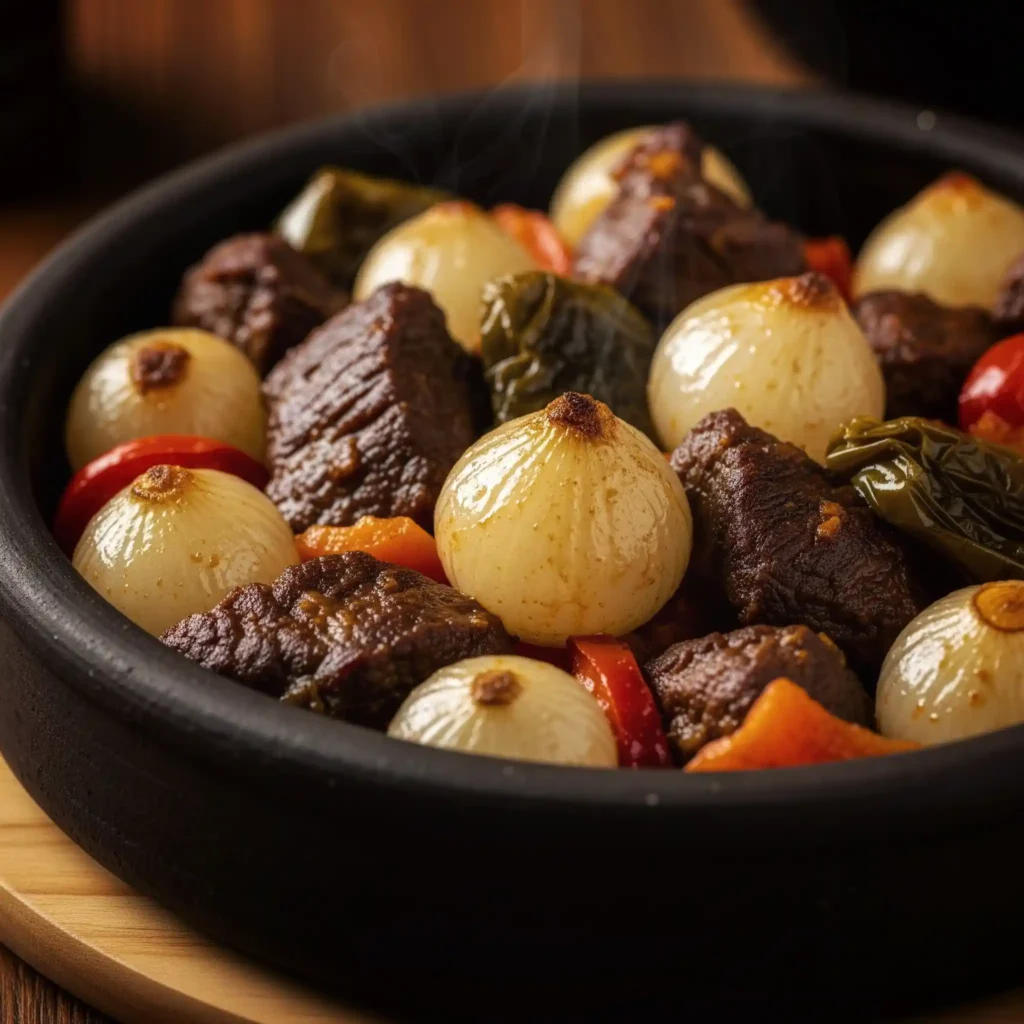
Characteristics
Shallots are small, oval-shaped bulbs closely related to leeks and garlic.
They possess a flavor profile similar to garlic but much milder and sweeter.
Best Uses
hey are often minced finely for vinaigrettes and delicate salad dressings.
Shallots work wonders when used whole in casseroles or slow-cooked stews.
Chefs also prefer them to add depth of aroma to foundational sauces like Béarnaise.
6) How to Use Green Onions / Scallions?
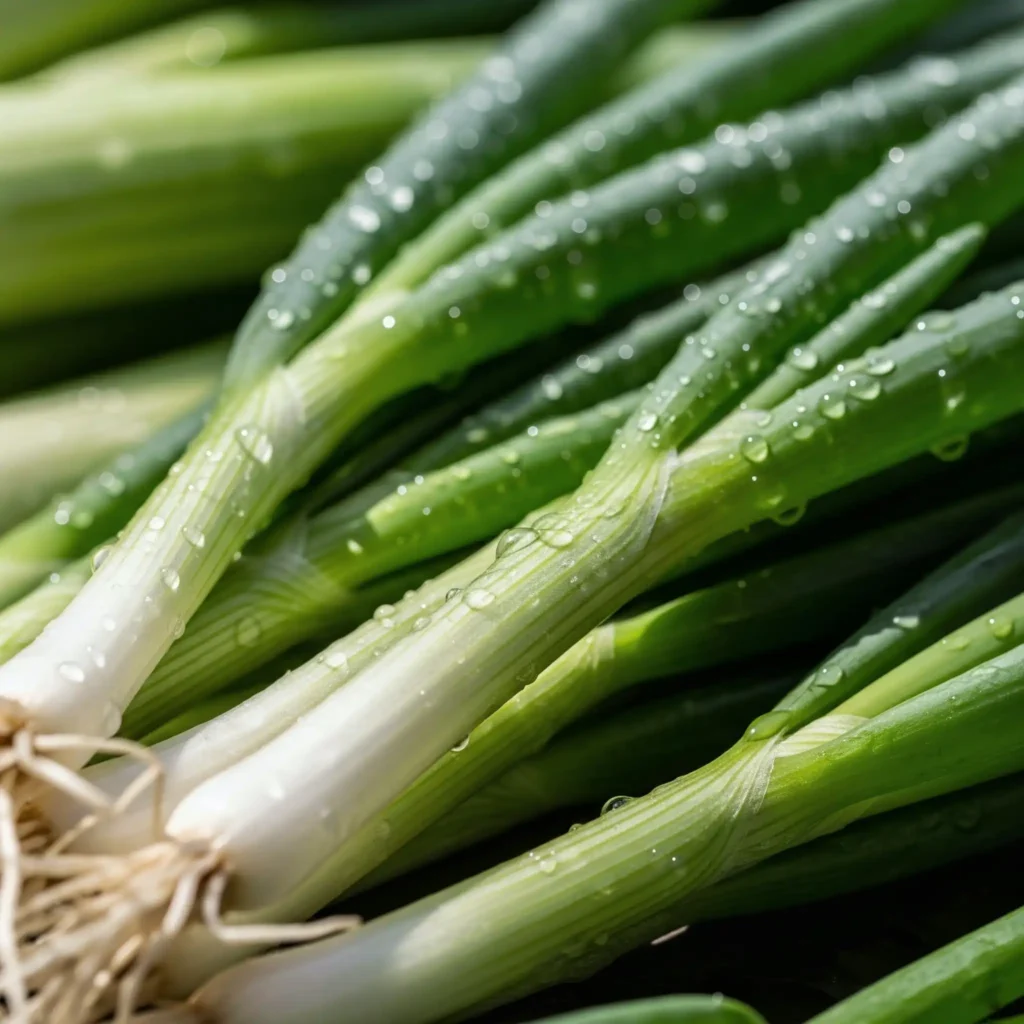
Characteristics
Green onions are recognized by their white base and long, tubular green stalks.
The flavor is mild, fresh, and slightly peppery. They are primarily used fresh.
Best Uses
They are perfect for salads, omelets, and as a garnish for soups.
In Asian cuisine, they are essential for noodles, ramen, and stir-fries (often added at the end).
Cooking Tip
Try grilling whole green onions; they become sweet and smoky.
7) How to Use Chives?
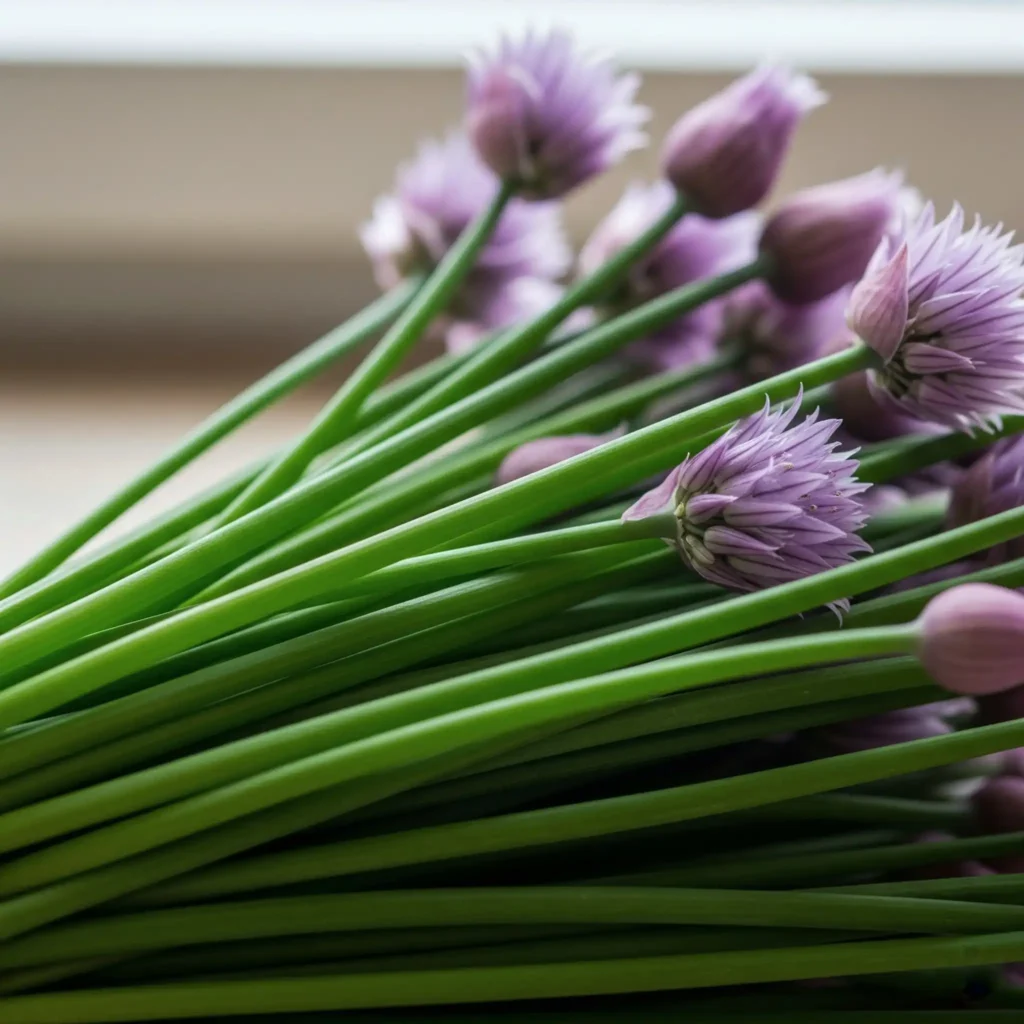
Characteristics
Chives are thin, grass-like herbs with a vibrant green color.
They have a much more delicate flavor than green onions and add visual elegance to dishes.
Best Uses
They are excellent in egg dishes (See also how to boil eggs), especially omelets and creamy quiches.
As a garnish, chopped chives add a finishing touch to creamy soups and appetizers.
They are also the classic topping for baked potatoes (See also how to boil potatoes), offering both flavor and color.
Star Recipes: Stuffed Onions & Caramelization
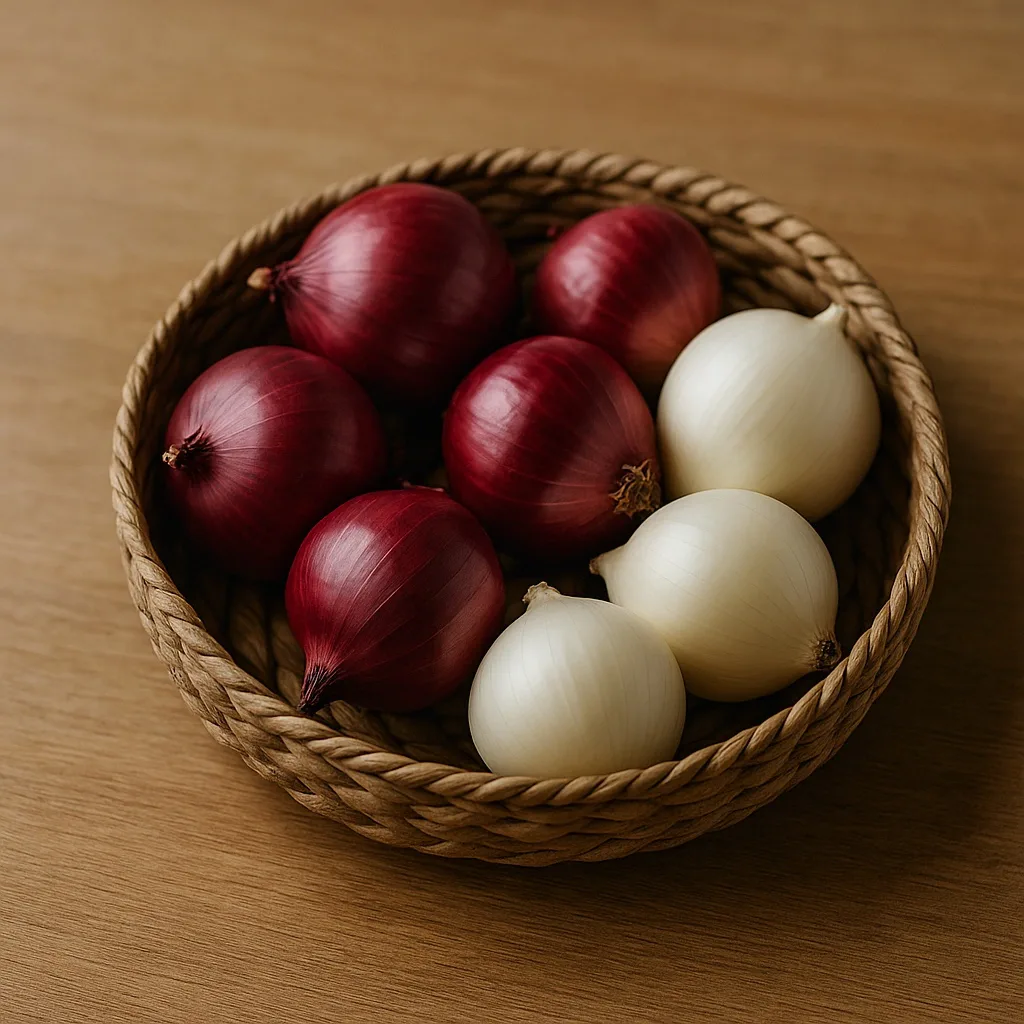
Onions are not just a base for dishes, they can be the main event.
Here are two pinnacles of culinary art:
Caramelized Onions and the Turkish classic, Soğan Dolması (Stuffed Onions).
A) How to Make Perfect Caramelized Onions
Caramelizing is a test of patience, usually done with sweet or yellow onions.
It involves cooking the natural sugar of onions over low heat for a long time.
This triggers the Maillard Reaction (non-enzymatic browning), transforming the onions into a sweet, jammy delight.
The Method
Slice onions into thin half-moons. Cook in butter or olive oil for 30–45 minutes, stirring occasionally.
The secret to success is simply patience. Do not rush the transformation.
This concentrated flavor bomb is essential for burgers, pizzas, and cheese boards.
B) How to Make Stuffed Onions / Soğan Dolması
A crown jewel of Anatolian cuisine, Soğan Dolması involves stuffing onion layers with a savory mix.
For this recipe, large yellow or white onions are the best choice.
The Process
- Boil whole onions (slit down the side) until they are soft enough to separate into layers.
- Fill the layers with a mix of ground meat, rice, and warm spices.
- Cook slowly in a pot with a sauce made of tomato paste, lemon, and distinctively, pomegranate molasses.
The result is a tangy, savory dish representing one of the most special flavors of Turkish cuisine.
Final Thoughts

The onion is not just a simple aromatic; when chosen correctly, it is the secret hero defining a dish’s character.
Whether you are making a rich soup or topping a burger, selecting the right variety is essential.
I hope this GastroCafer guide helps you pick the perfect onion for your next recipe.
See you in the next article. Stay healthy and keep cooking! 😉
Check out my “Culinary Cinema” and “How Much Is a Pinch?” for more gastronomy content!
Cafer Can Yeşilyurt
Helpful Resources