GastroCafer'e Hoş Geldiniz!



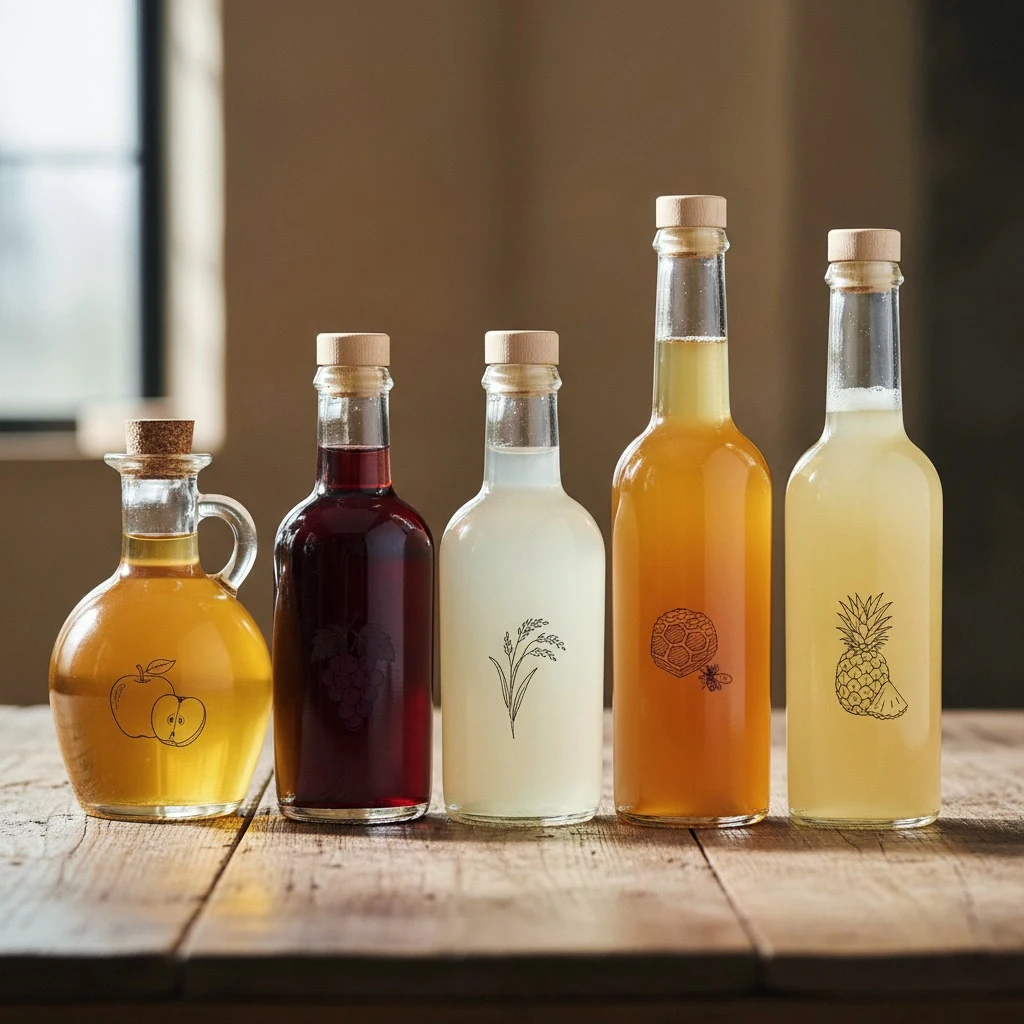
Vinegar is one of the oldest fermented products in both the kitchen and health practices.
This acidic liquid appears in countless areas, from adding flavor to dishes and sauces to preservation processes.
Moreover, this product bridges the gap between acidity, sweetness, and umami; perfectly balancing flavors.
At the same time, the use of vinegar affects the color, texture, and durability of foods.
Therefore, using the right vinegar type in the right recipe visibly increases the quality of the dish.
Today, there are different vinegars fermented from many natural sources such as fruit, honey, and grains.
However, at this point, it must be stated: “Not all vinegar types are created equal.”
Whether you are a chef candidate or someone who loves creating creative tastes at home…
With this guide by GastroCafer, you will discover the types of vinegar in the kitchen; their unique characteristics, and which dishes they harmonize with.
If you are ready to get to know Apple Cider Vinegar, Pineapple Vinegar, White Vinegar, Balsamic, and more, let’s start! 😉
1. Apple Cider Vinegar (ACV)
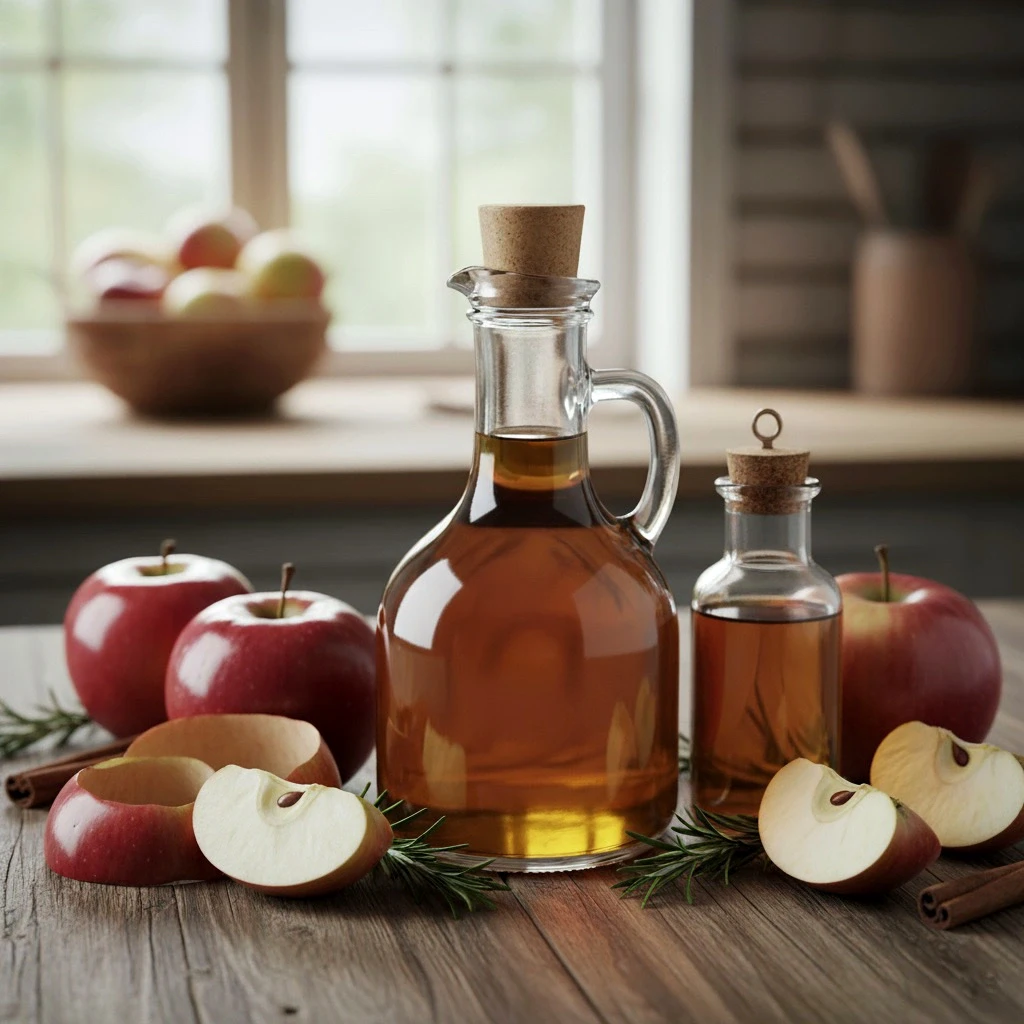
Apple cider vinegar stands out in light dishes with its fruity aroma and balanced acidity.
It creates a natural freshness, especially in salads, chicken marinades, and vegetable platters.
When apple cider vinegar is combined with honey, mustard, and olive oil, a wonderful vinaigrette sauce is obtained.
- A Little Tip: You can add a “lively” contrast to the sweet taste by drizzling a small amount of vinegar over roasted root vegetables.
2. Grape Vinegars (Red/White Wine Vinegar)
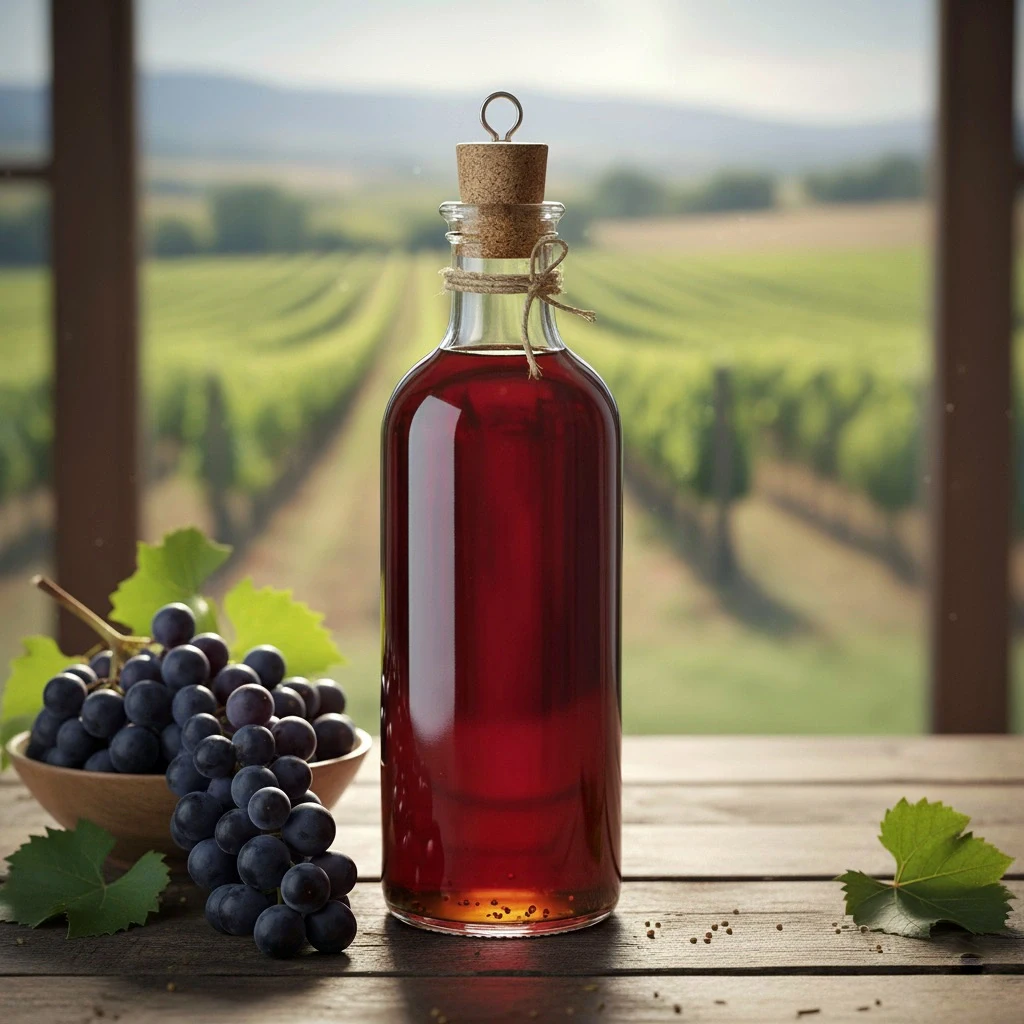
Grape vinegar is divided into two main types according to the red and white grapes used in its production.
In global cuisine, these are often referred to as red wine vinegar and white wine vinegar.
- Red Wine Vinegar: Thanks to its unique intense aroma, it is ideal for legumes, beef stews, and red meat dishes.
- White Wine Vinegar: Being softer and more delicate, it is preferred in fish/chicken dishes, and hollandaise sauce.
Also, grape vinegars are the most indispensable ingredient in making pickles.
3. Balsamic Vinegar
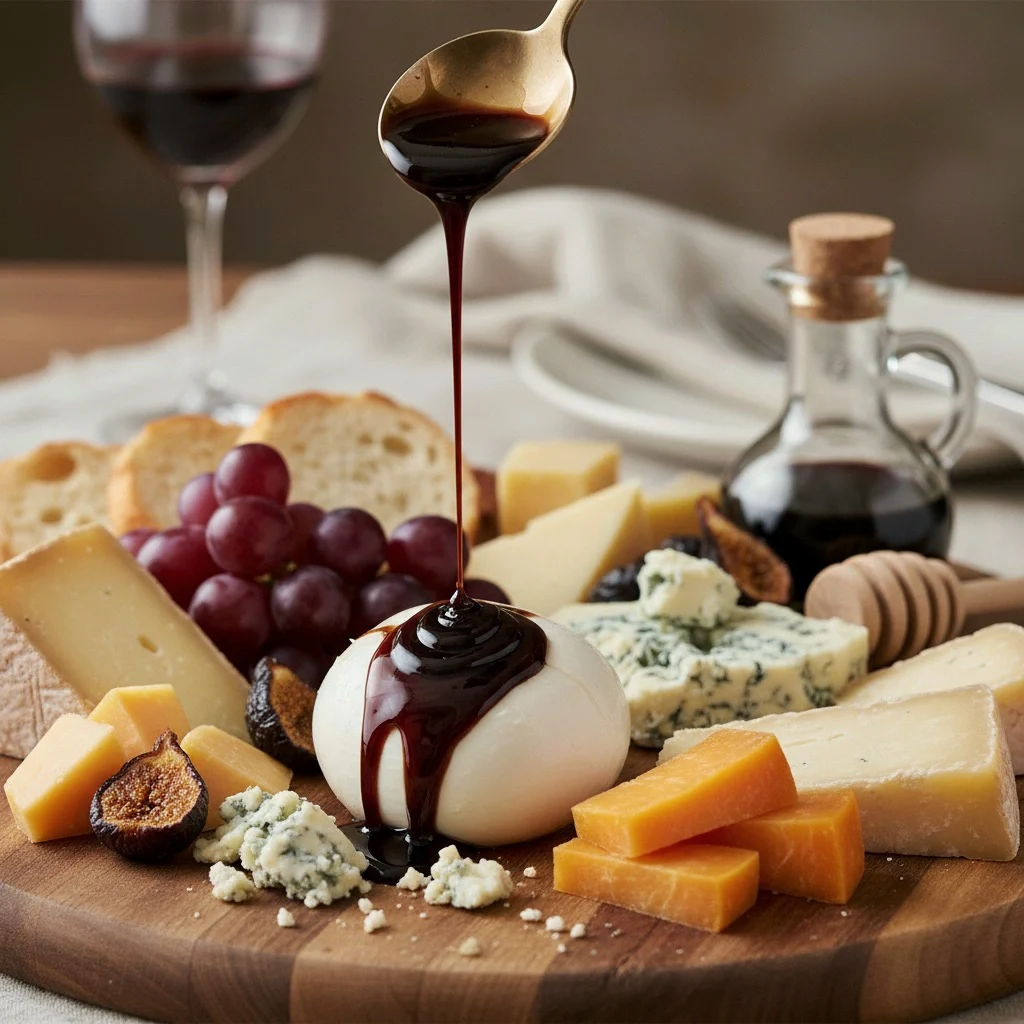
Balsamic vinegar (born in the Modena region of Italy) is obtained by aging grape must in wooden barrels for many years.
Its dark color, intense consistency, and caramel-like taste make it unique.
Balsamic vinegar has a wide range of uses; from salads to fruit plates, from grilled meats to ice cream.
- For example, you can use balsamic vinegar on Parmesan cheese, grilled salmon, and chicken marinades.
4. Rice Vinegar
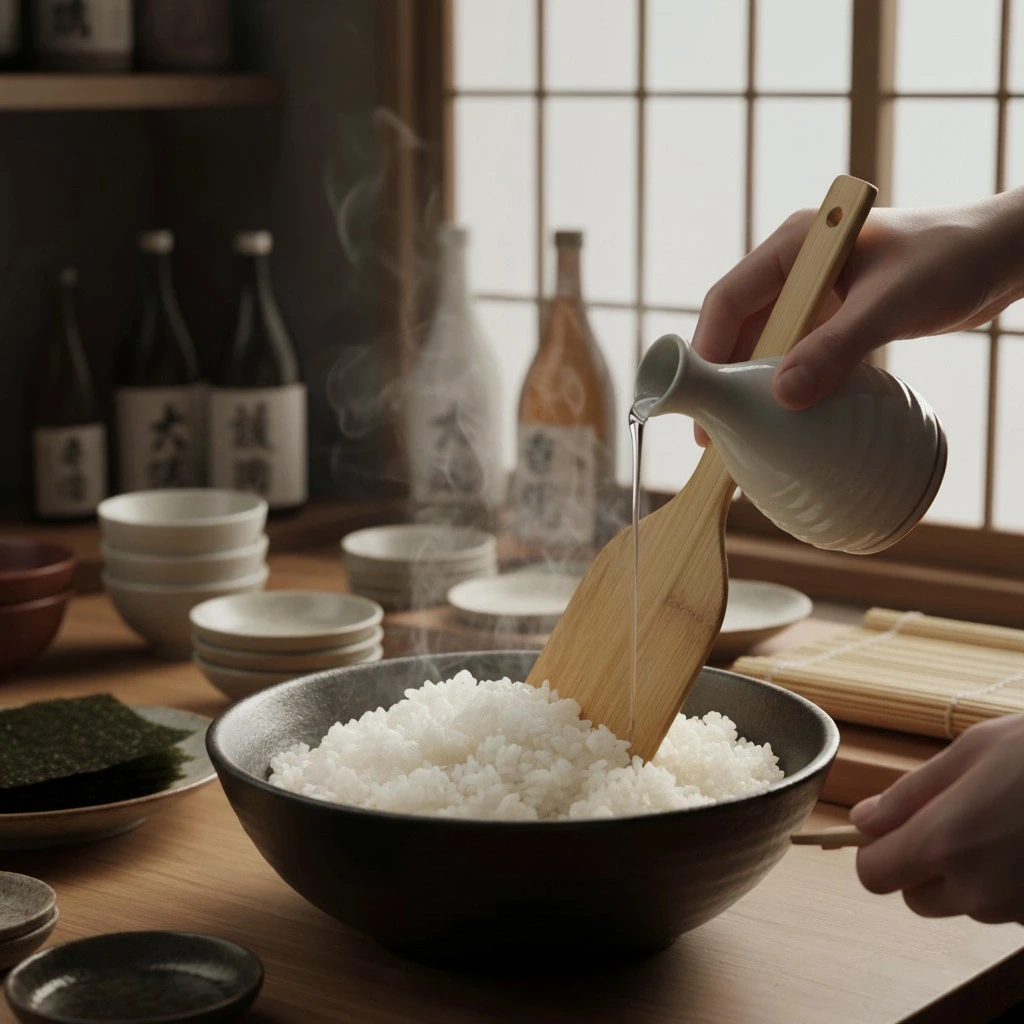
Rice vinegar is a sine qua non (indispensable) of Asian cuisine. 😉
It provides freshness in sushi, noodles, and vegetable dishes with its low acid ratio and sweet profile.
With its gentler structure compared to other vinegars, rice vinegar can be used without overpowering delicate flavors.
It is especially preferred as a flavor balancer in seasoning sushi rice, Asian-style salad dressings, and dipping sauces.
- Note: Speaking of Dumplings, we cannot skip mentioning the Oldboy (2003).
5. White Vinegar (Distilled)
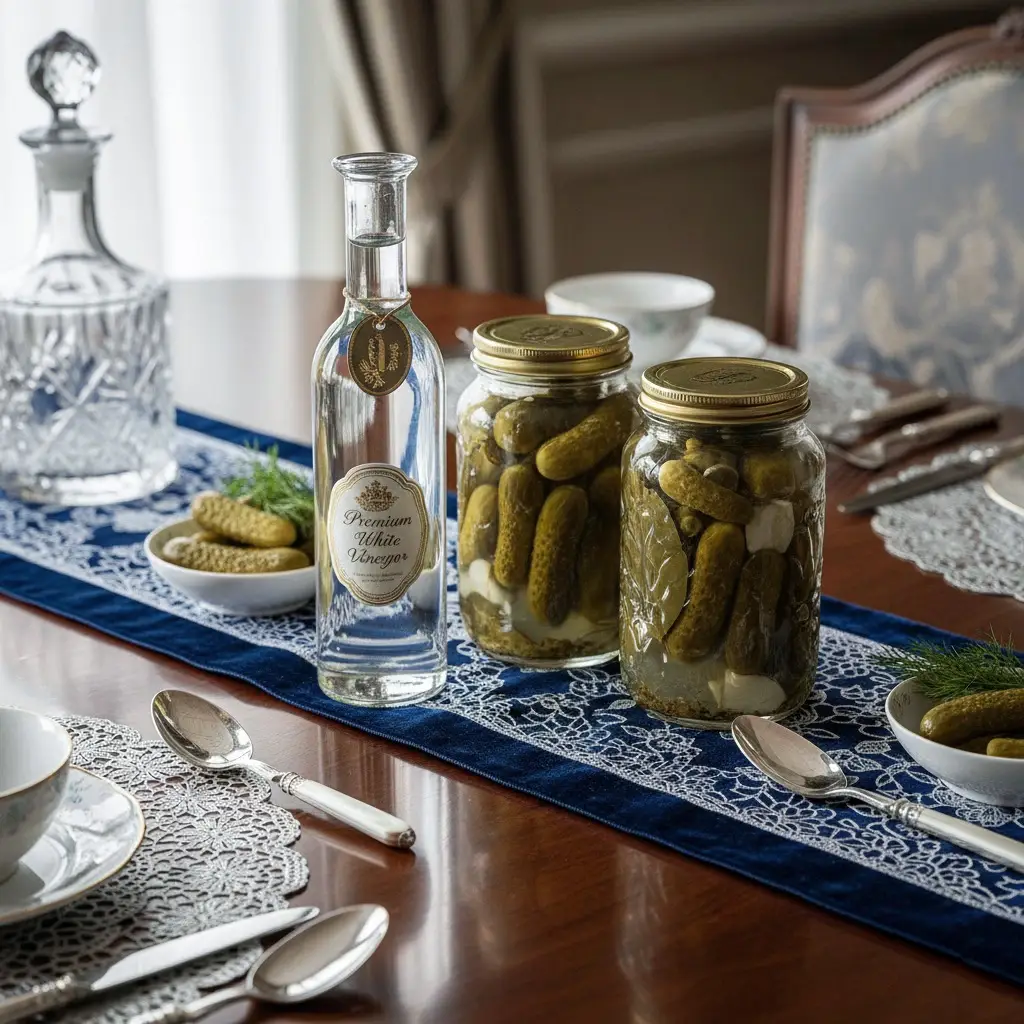
White vinegar, produced by fermenting ethyl alcohol obtained from grains, is known for its high acidity and neutral aroma.
Its color is transparent, and its sharpness is distinct.
White vinegar is especially preferred in pickle making and vegetable marinades.
- Usage Tip: Since it will not spoil the colors, you can use white vinegar to pickle red onions and beets.
Also, give white vinegar a chance as a powerful natural disinfectant in your home cleaning to polish tiles and glass surfaces.
6. Malt Vinegar

Malt vinegar is produced by fermenting malted barley.
Its original flavor gives it a slightly sweet, nutty, and distinct malt aroma.
This special profile distinguishes it from apple or grape vinegars.
Malt vinegar, which is indispensable especially in British cuisine, fits perfectly with seafood and fried foods. —> Fish & Chips! 🐟🍟
At the same time, it can be preferred to add richness to stews and mashed potatoes.
7. Pineapple Vinegar
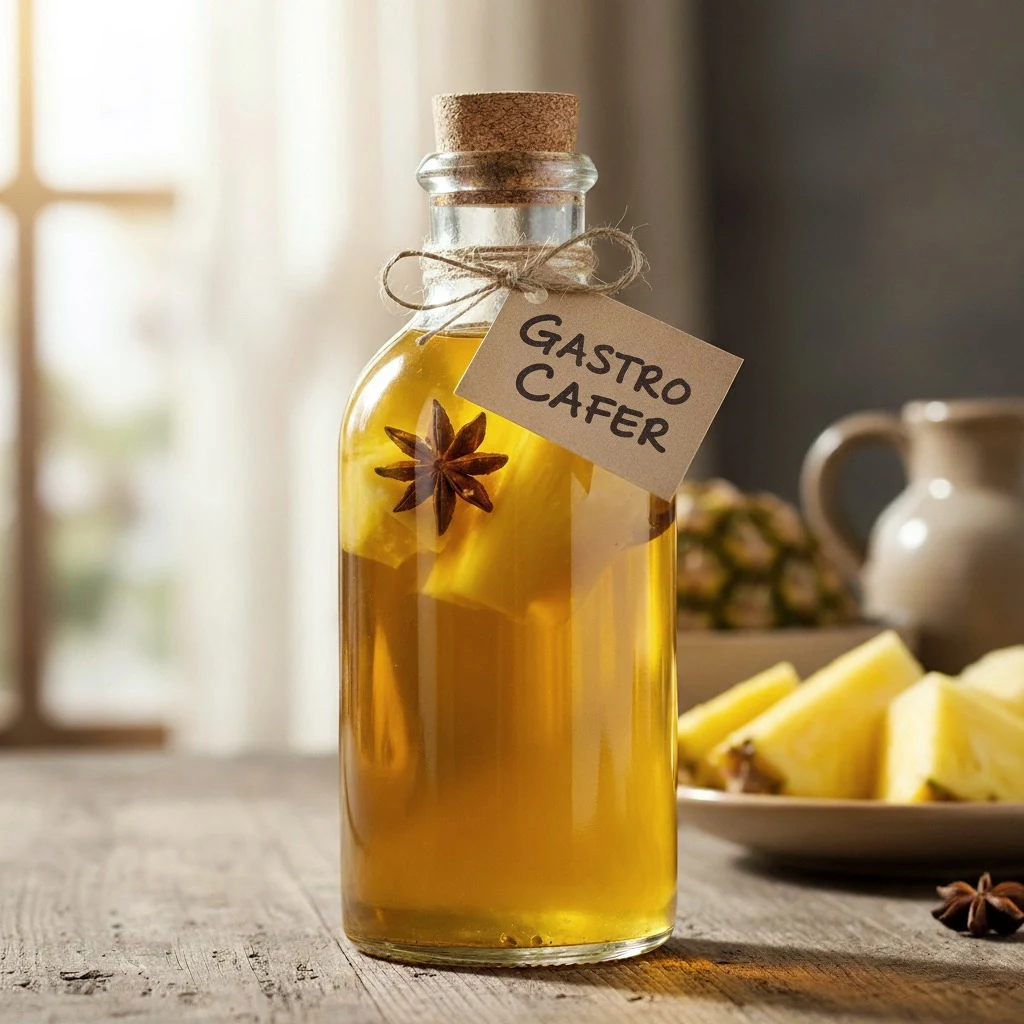
Pineapple vinegar is a special type of vinegar with a tropical flavor obtained by fermenting fresh pineapple juice.
It distinguishes itself from other vinegars with its slightly sweet and refreshing fruity aroma.
The distinct fruity character of pineapple vinegar is ideal for those looking for an exotic touch in the kitchen.
It suits seafood, chicken marinades, and fruit salads very well.
- Usage Tip: You can add an exotic flavor balance to your meal by a vinaigrette sauce made with pineapple vinegar over grilled shrimp, salmon, or chicken.
- You can also obtain tropical acidity in refreshing drinks by diluting it with water.
8. Honey Vinegar
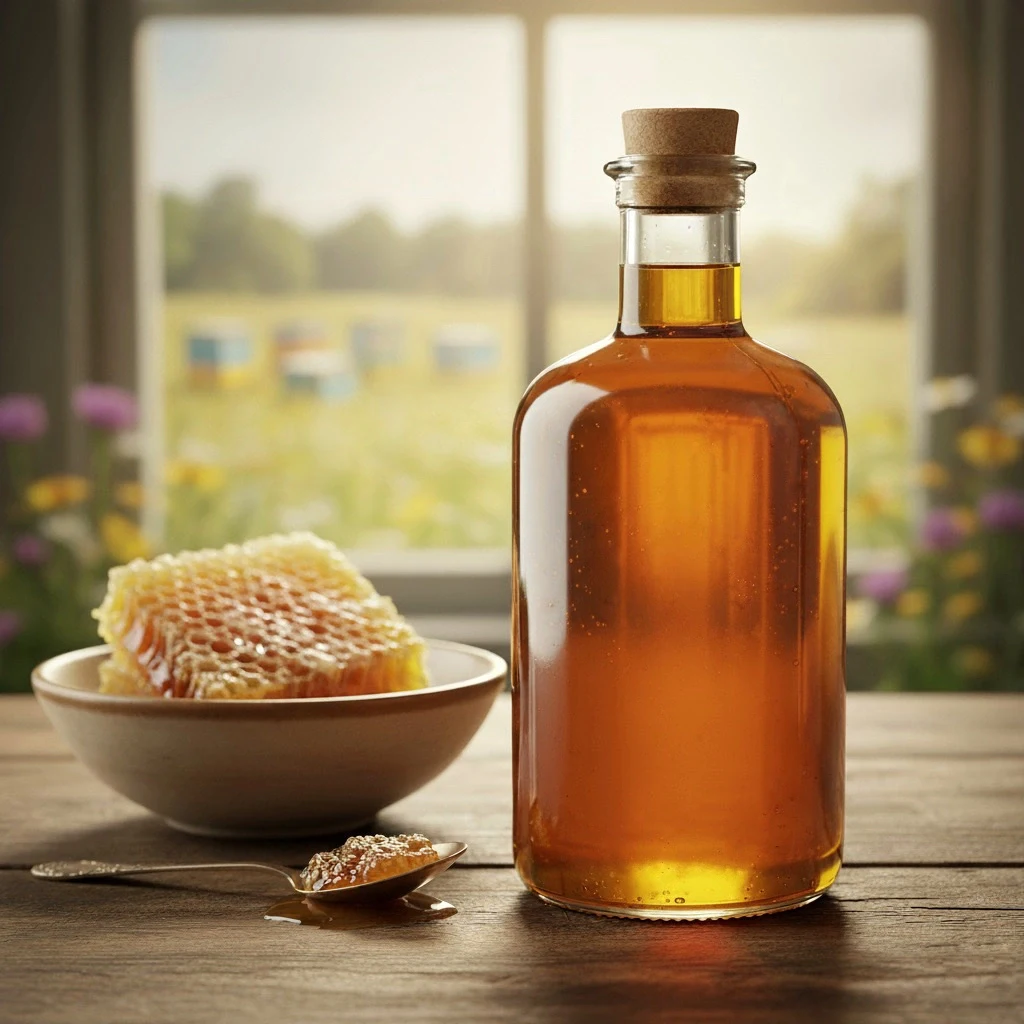
Honey vinegar is a rich and aromatic type of vinegar obtained through the long fermentation process of natural honey.
It separates from classic vinegars with its slightly sweet and floral aroma and takes on an elegant balancing role in the kitchen.
The soft character of honey vinegar is an ideal alternative for those who do not like sharp acidity.
You can prefer this vinegar especially in fruit-based salads, cheese platters, and roasted root vegetables (carrots, beets).
- Usage Tip: Adding a few drops of honey vinegar to your fig, walnut, and goat cheese salad will perfectly blend the saltiness of the cheese with the sweetness of the vinegar.
9. Sour Cherry Vinegar
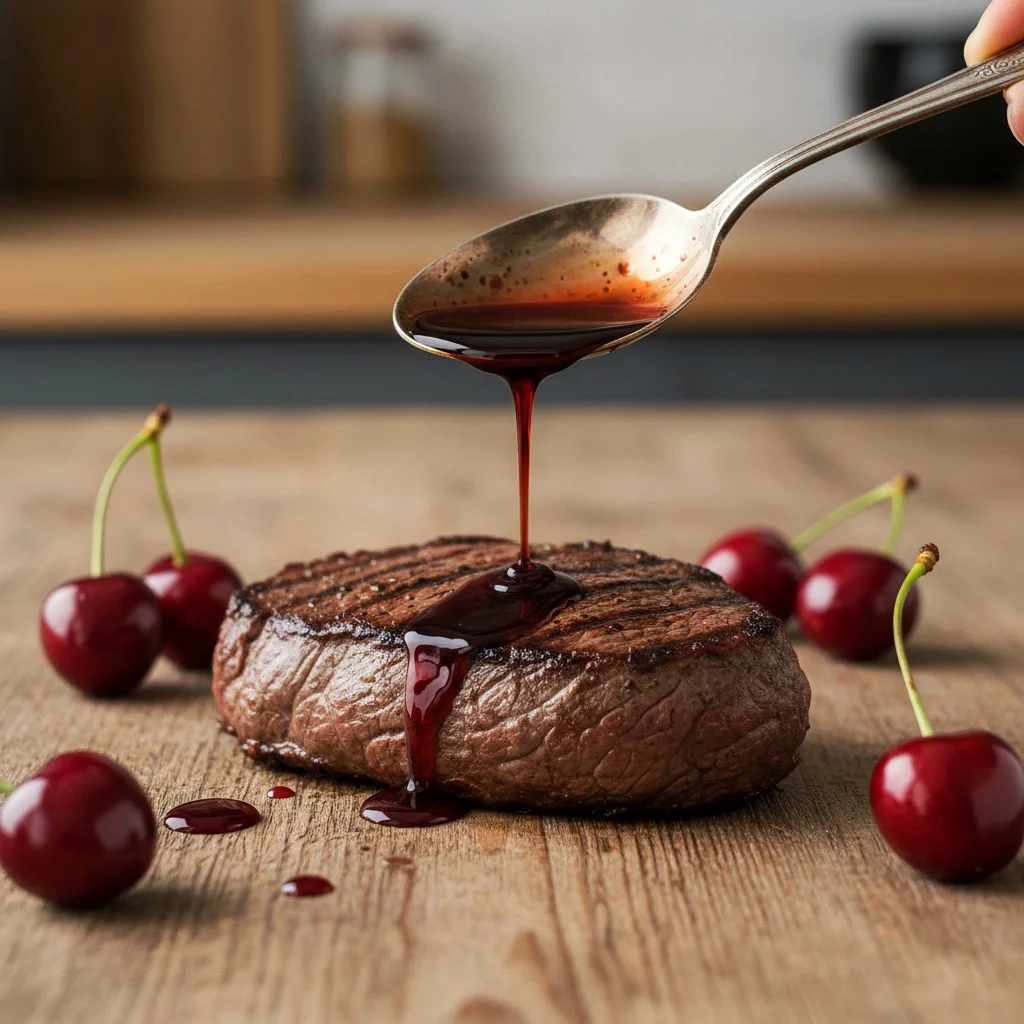
Sour Cherry vinegar is produced by the natural fermentation of ripe sour cherry juice.
It is a remarkable source of flavor in the kitchen that has Mise en Place with its sweet-sour fruit aroma.
It has a more intense fruit taste compared to classic vinegars.
It is used in salad dressings, meat-based dishes (especially red meat and game), and even some desserts.
- Usage Tip: Brushing a special glaze prepared with sour cherry vinegar, honey, and spices onto roasted duck will enrich the rich flavor of the meat with a perfect acidity-sweetness balance.
What Are the Health Benefits of Vinegar?

Vinegar is a natural source of healing used in traditional medicine for centuries.
Especially unpasteurized vinegars produced by natural fermentation stand out with their strong nutritional profiles.
A) Digestive System and Gut Health
Since vinegar is a natural fermented food, it contains probiotic components.
Moreover, vinegar consumption can help balance stomach acid levels while facilitating digestion.
Finally, regulating bowel movements to alleviate bloating is another important effect of vinegar.
B) Balancing Blood Sugar Levels
Vinegar can help slow down the sudden spikes in blood sugar that occur after meals.
The acetic acid in it can contribute to keeping blood sugar levels balanced by regulating the absorption of carbohydrates.
C) Antioxidant Effect in Strengthening the Immune System
Fruit-based vinegars (such as cherry, pineapple) carry strong antioxidants found in their raw materials, such as Vitamin C.
These compounds can help protect the body against free radicals, reducing cellular damage and increasing general immune resistance.
D) Accelerating Metabolism and Weight Control Support
Some studies show that vinegar consumption can increase the feeling of satiety and indirectly help reduce daily calorie intake.
Thanks to its metabolism-supporting effect, vinegars offer natural support to the weight loss process when combined with a healthy diet.
Using Vinegar in Cleaning and Skin Care

Vinegar’s strong acetic acid content can be used in many areas from home cleaning to personal care.
A) Natural and Ecological Home Cleaning
Vinegar is an excellent natural cleaner for kitchen and bathroom hygiene with its strong antibacterial property:
- Surface Cleaning: You can dissolve grease, dirt, and lime stains on kitchen counters and glass surfaces with an equal amount of water-vinegar mixture.
- Odor Removal: You can use a bowl of vinegar to neutralize the environment by absorbing bad odors.
B) Supportive Role in Hair and Skin Care
Especially when diluted, natural fruit vinegars like apple cider vinegar become a natural part of beauty routines:
- Natural Hair Rinse: A vinegar-water mixture applied after a shower regulates the pH balance of the hair. While giving shine to the hair strands, it also helps clean dandruff and residues on the scalp. But don’t forget to rinse it off after 5 minutes!
- Skin Toning: Diluted vinegar (1 part vinegar, 3-4 parts water) deeply cleanses the skin, supports the tightening of pores, and preserves the skin’s natural acidic structure.
C) Use in Laundry and Home Textiles
Vinegar is also an effective helper in washing machines:
- Softener Alternative: White vinegar added to the softener compartment softens fabrics, cleans detergent residues, and removes bad odors in laundry.
- Descaler: Vinegar can be mixed with water and boiled to clean lime accumulation in small household appliances such as kettles or coffee machines.
Final Words: By the Power of Vinegar!

Vinegar types have a wide range of uses extending from cleaning to health, beyond establishing flavor balance in the kitchen.
Using the appropriate type of vinegar in the right place is one of the most natural ways to establish balance both at the table and in life habits.
I hope GastroCafer has helped you discover the power of vinegar types with this latest guide.
May the power of vinegar be with you! 😉
Continue your gastronomy journey without slowing down with my other articles: “Turkish Butter Rice Recipe“ and “Egg Salad Tea Sandwich Recipe“!
Cafer Can Yeşilyurt
Helpful Resources
- Vinegar – The Nutrition Source
- What Apple Cider Vinegar Can (and Can’t) Do for You
- Varieties, production, composition and health benefits of vinegars
- Sirke Anası (Mother of Vinegar)
- Vinegar Improves Insulin Sensitivity to a High-Carbohydrate Meal in Subjects With Insulin Resistance or Type 2 Diabetes
- Sirke Çeşitleri ve Kullanımları
- Everything You Need To Know About Rice Vinegar And How To Use It
- Balsamic Wonders
- Types of Vinegar
- The Serious Eats Guide to Vinegar
- Benefits of Vinegar for Skin and Hair