GastroCafer'e Hoş Geldiniz!



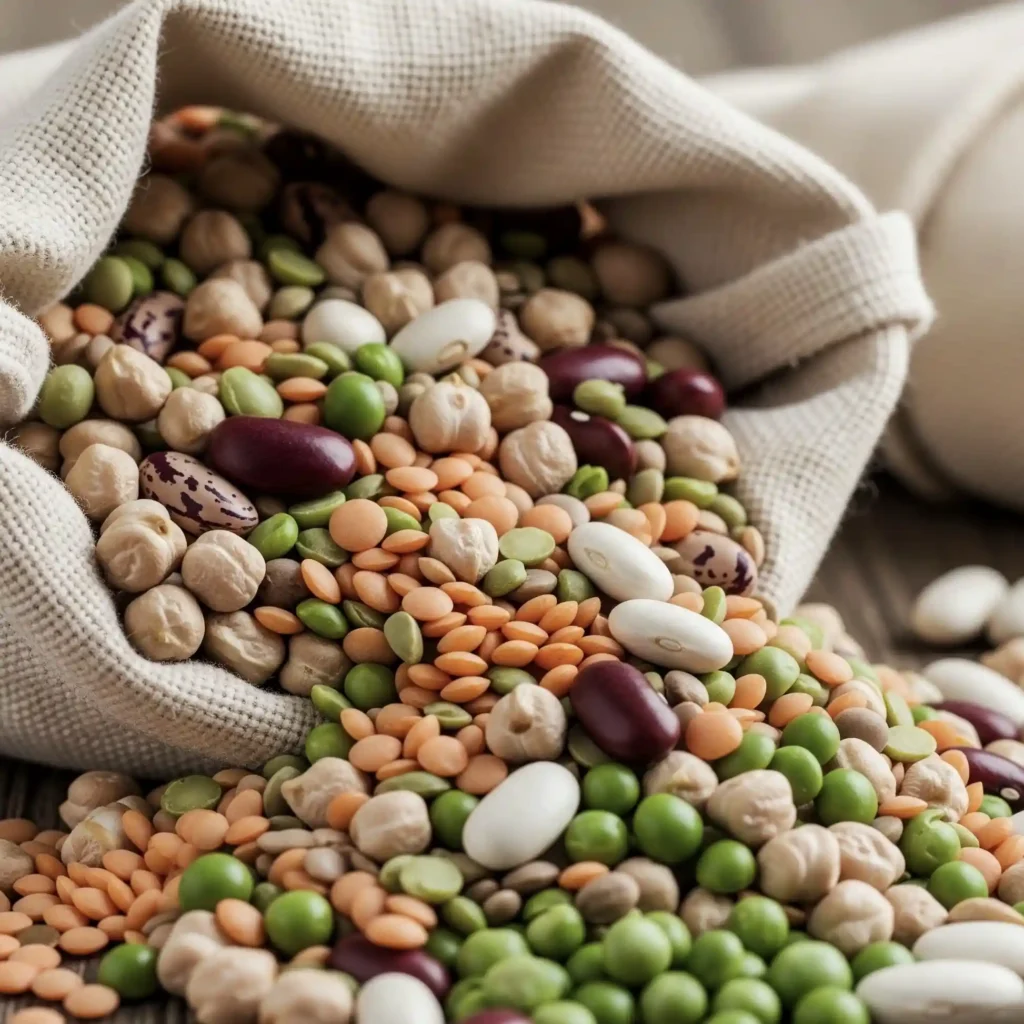
Legumes have been a staple food worldwide throughout history.
Today, thanks to their high plant-based protein and fiber content, legume dishes are at the very center of a healthy lifestyle.
Furthermore, legumes are key players in sustainable agriculture.
So, are you ready to join me on this healthy, sustainable, and delicious culinary journey?
If your answer is a big “YES,” you are definitely in the right place! 🙂
In this guide, we will explore 9 different types of edible legumes and offer special recipes for each:
Chickpeas, Lentils, White Beans, Borlotti Beans, Black-Eyed Peas, Fava Beans, Peas, Soybeans, and Mung Beans.
Whether in a warm lentil soup or a creamy hummus, these foods represent a life that is both satisfying and eco-friendly.
So, let’s put the robot chefs aside for a moment. We are setting off on a flavorful discovery filled with legume varieties.
What is the Difference Between “Legume” and “Pulse”?

Before diving into the varieties, I want to clarify these two concepts which are often confused.
This distinction is important for using the correct terminology.
What is a Legume?
Legume is the term for a family in the plant kingdom [Fabaceae (Leguminosae)].
This family includes all bean types as well as some forage crops used for livestock.
Legumes are plants where the seeds grow inside a pod (shell).
Some Examples: Chickpeas, lentils, beans, broad beans, peas, peanuts, soybeans.
What is a Pulse?
Pulse is the commercial term used for the dried seeds of the legume family that are consumed as human food.
In other words, the dry grains found in markets, on shelves, or in our pantry are pulses.
In summary, harvested – dried, and edible legume seeds are called pulses.
Some Examples: Dry beans, green lentils, chickpeas, red lentils, kidney beans.
Important Note: Every pulse is a legume, but not every legume is a pulse.
9 Popular Legume Types: Features and Recipe Suggestions
Legumes continue to be indispensable in world cuisines.
In this section, we examine the 9 fundamental legumes most frequently found on our tables.
Get ready to discover the unique features, health benefits, and delicious recipe suggestions for each! 😉
1) What are Chickpeas and How Are They Used?
Features
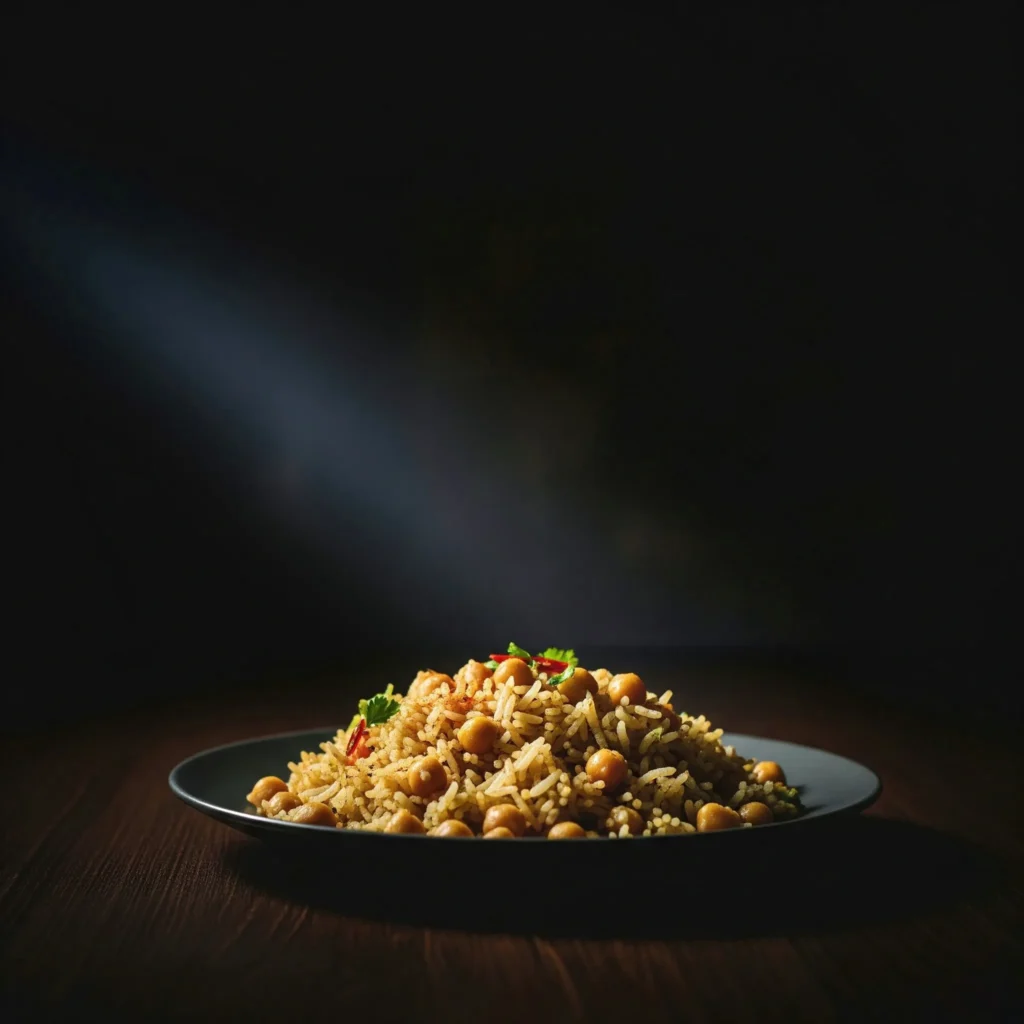
The chickpea is a species of the legume family, originating from the Mediterranean and the Middle East.
Its rich protein, fiber, Vitamin B, and iron content have positive effects on our health.
It serves as an excellent source of iron, especially for vegetarians and vegans.
Thanks to its fiber content, incorporating it into a healthy mise en place contributes to gut health
Culinary Uses
Chickpeas appear in vegan menus with creative uses as a meat substitute.
In Middle Eastern and Mediterranean cuisines, we encounter magnificent chickpea salads.
Additionally, hummus, pilaf, falafel, chickpea flour and meat & chickpea stews are the best examples of chickpea dishes.
2) Lentils (Red – Green – Yellow)
Features
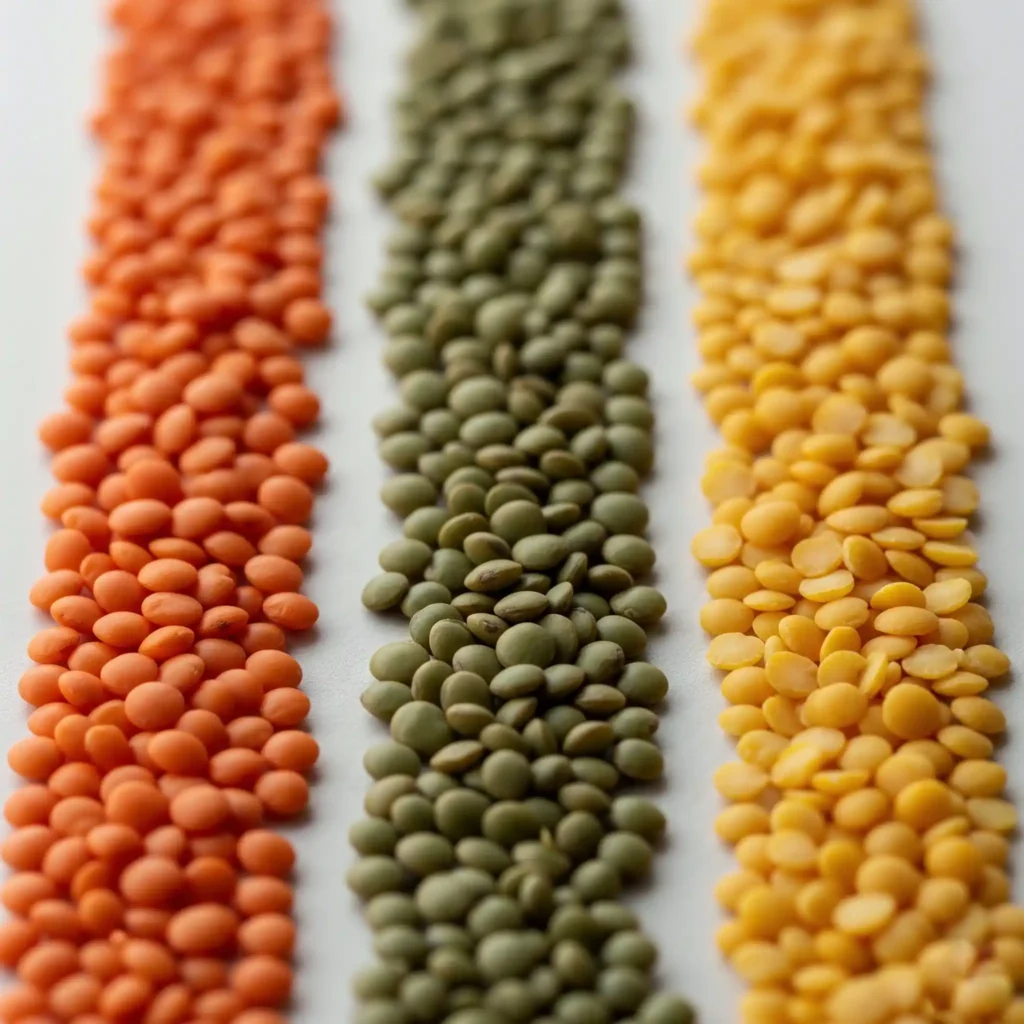
Lentils are among the fastest-cooking types of legumes. There are four main varieties:
Red, green, yellow, and brown.
Besides being rich in protein and fiber, their folic acid content is quite valuable.
Note: Folic acid (Vitamin B9) is particularly important before and during pregnancy.
Additionally, due to being low in calories and high in nutritional value, lentils are indispensable for diet lists.
Recipe Suggestions
Red lentils break down easily in soups, while green lentils hold their shape, making them a preferred choice for salads.
Lentil patties, green lentil salad, spicy lentil soup, and lentil pilaf are among the most frequently consumed dishes.
Lentils are also the star of the famous Indian dish, Dal (Masoor Dal).
3) What are White Beans (Haricot / Navy Beans) and How Are They Used?
Features
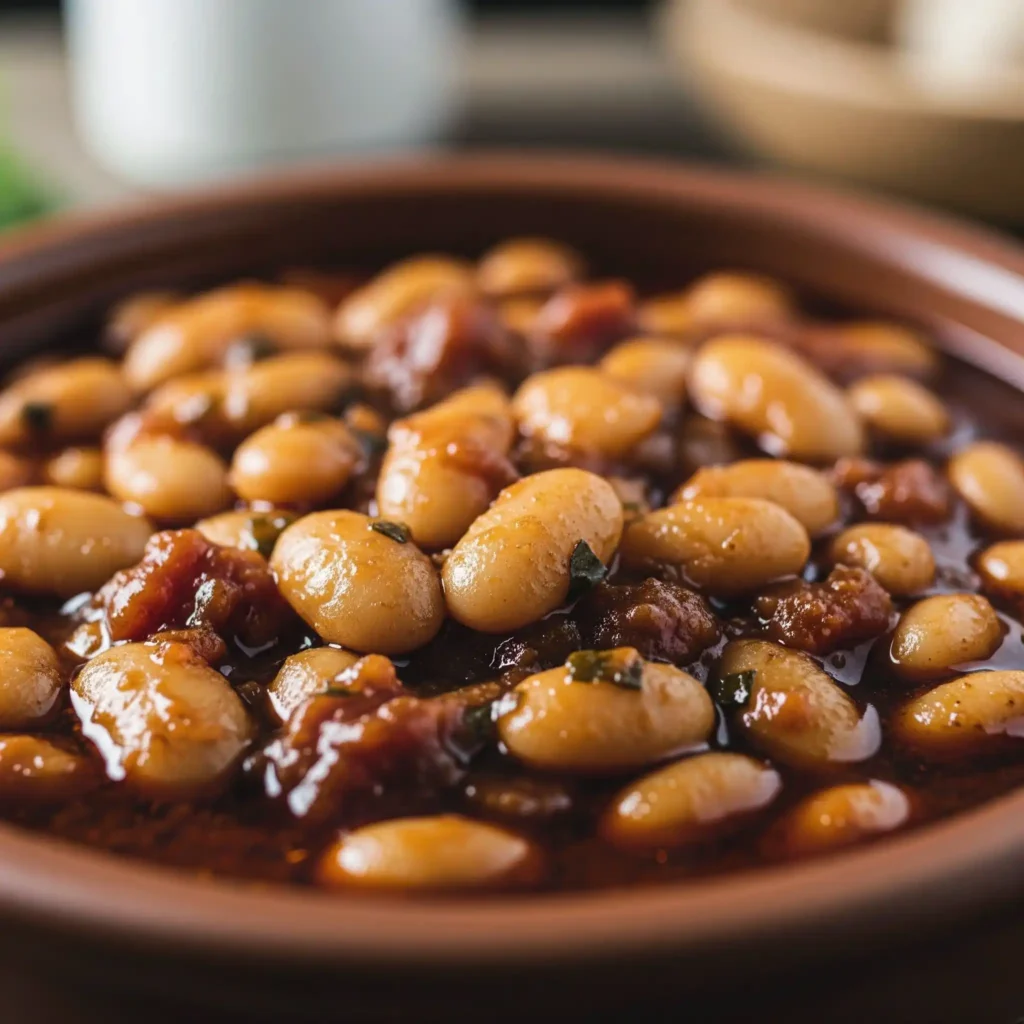
White beans (Kuru Fasulye) are one of the most common and symbolic legumes in Turkey.
They consist of white, oval, dry seeds that soften when cooked.
White beans are important for being rich in fiber, keeping you full, and raising blood sugar slowly.
Culinary Uses
White beans are the most preferred legume type for pot dishes (stews).
In Turkish cuisine, serving them with rice pilaf has elevated this duo to “National Dish” status.
Stewed beans with sujuk (spicy sausage) or pastrami, white bean salad (piyaz), meatless stewed beans, and bean paste appetizers with tomatoes are standout recipes.
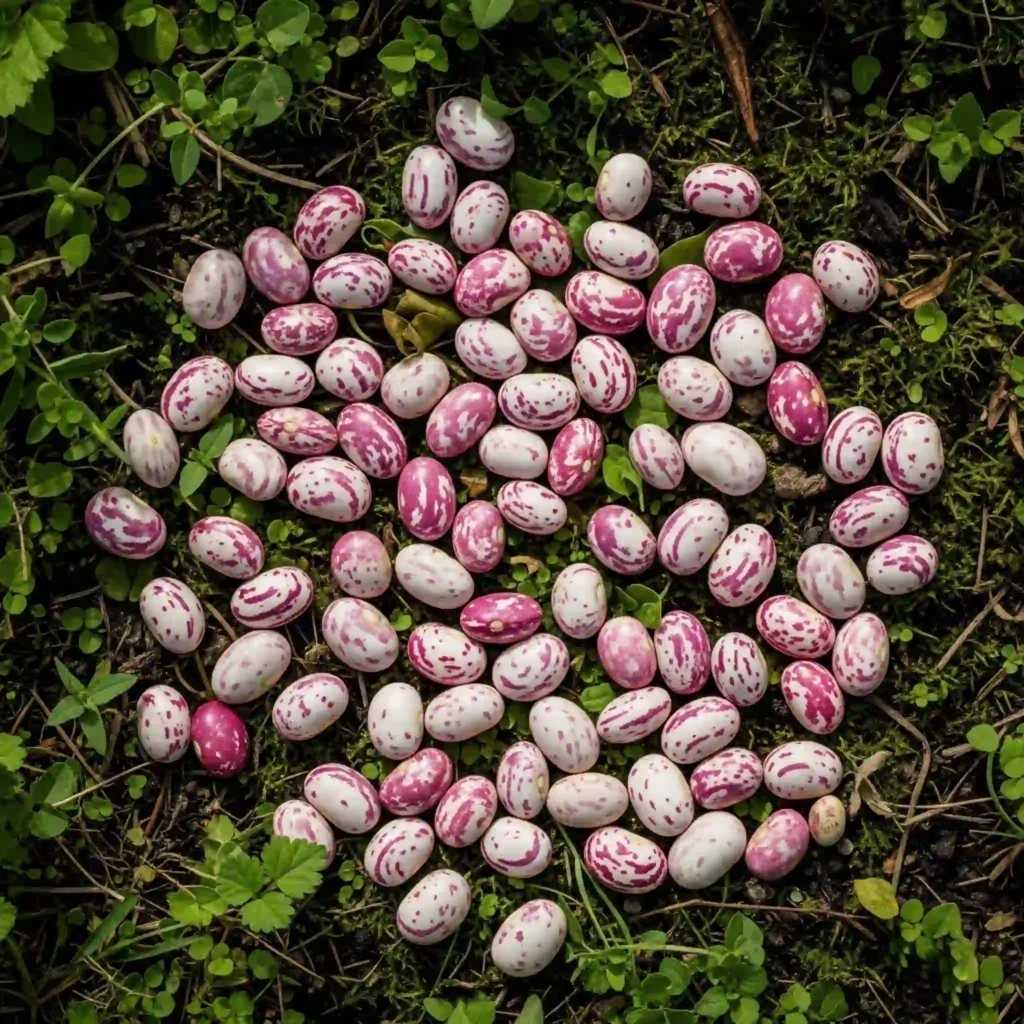
4) What are Borlotti Beans (Cranberry Beans) and How Are They Used?
Features
Borlotti beans are recognized by their red-speckled pods and seeds. They can be consumed both fresh and dried.
Especially in summer, the fresh version is frequently seen in olive oil dishes (Zeytinyağlı).
They stand out with low fat content alongside high iron, magnesium, fiber, and Vitamin B.
Also, borlotti beans have high antioxidant capacity and may support heart health.
Recipe Suggestions
Borlotti beans are the protagonist of olive oil menus and the cold star of meze platters.
Watch out for your mise en place!
Borlotti beans in olive oil (Barbunya Pilaki), fresh bean casserole, bean salad, and meat & borlotti stew are just a few of the most popular dishes.
5) Black-Eyed Peas: The Favorite of Mediterranean Cuisine
Features
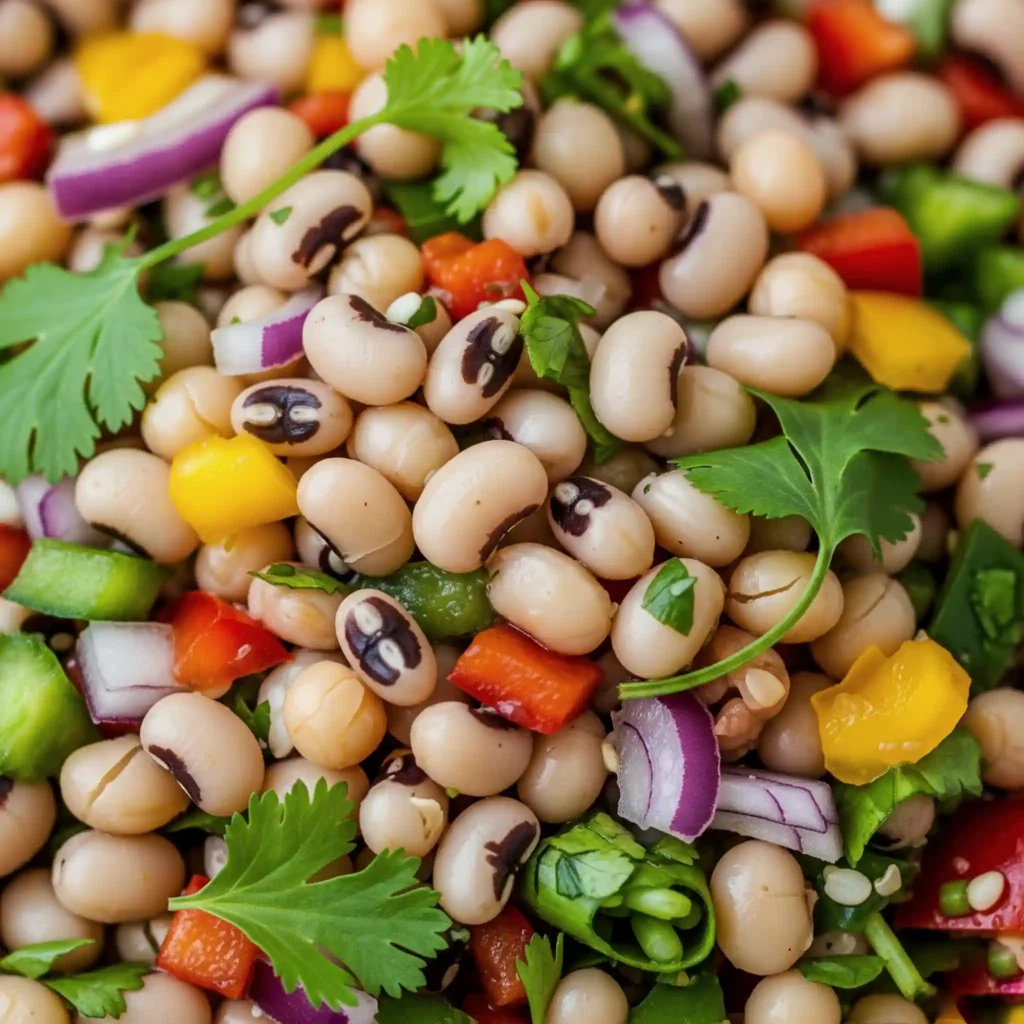
Also known as “cowpeas,” black-eyed peas hold an important place in Aegean and Mediterranean cuisines.
These small, thin seeds with a black dot are high in fiber and rich in protein; in short, a wonderful diet food!
Additionally, their potassium content can help regulate blood pressure.
Culinary Uses
Besides being used in vegan and detox menus, black-eyed peas can be served as a garnish alongside meat dishes.
Consumed both fresh and dry, standout recipes include olive oil black-eyed peas, soup, salad, and a bulgur salad with black-eyed peas.
6) Fava Beans (Broad Beans): A Spring Food with Antioxidants
Features
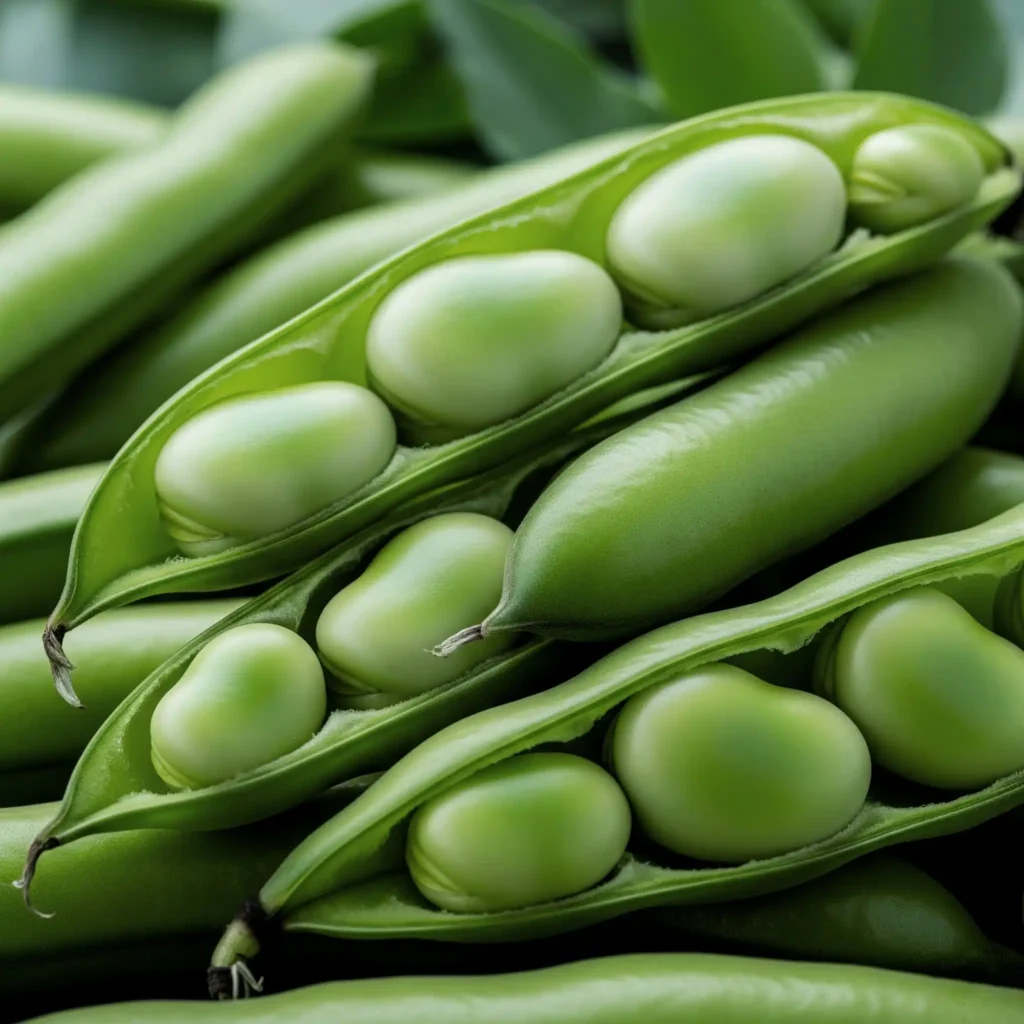
The fava bean is an annual legume considered the harbinger of spring.
Both the inner bean and the pod can be consumed. In addition to its antioxidant effect, the dried version can be stored all year round.
Its high protein and fiber content is also noteworthy.
Recipe Suggestions
The fresh version is used in pot dishes with olive oil. Dried fava beans are especially preferred for soups and dips.
Olive oil fava beans, “Fava” (mashed bean appetizer), and fresh fava stew with meat are common ways to use them.
7) What are Peas and How Are They Used?
Features
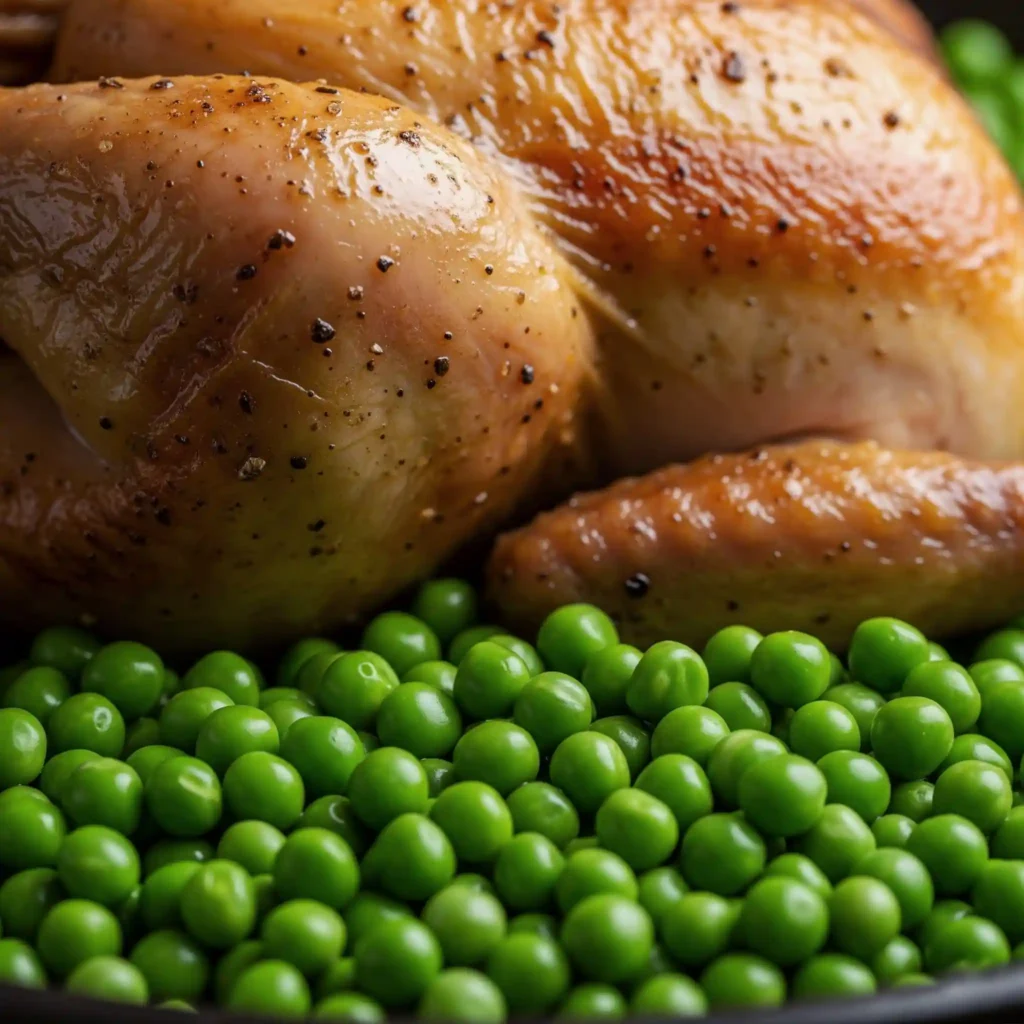
Although often thought of as a vegetable, peas belong to the legume family.
With their vibrant green color, sweet taste, and short cooking time, peas are a very versatile ingredient.
They are a filling food rich in folic acid, fiber, Vitamin C, and Vitamin K.
Additionally, peas contain important vitamins that support the immune system and contribute to bone health.
Culinary Uses
While frozen peas are indispensable for practical recipes, fresh peas appear in purees and soups prepared for children.
As a garnish, they are a great complement to rice and meat dishes.
You can start trying pea dishes with baked peas and boiled potatoes, vegetable rice pilaf, and pea puree.
8) What are Soybeans and How Are They Used?
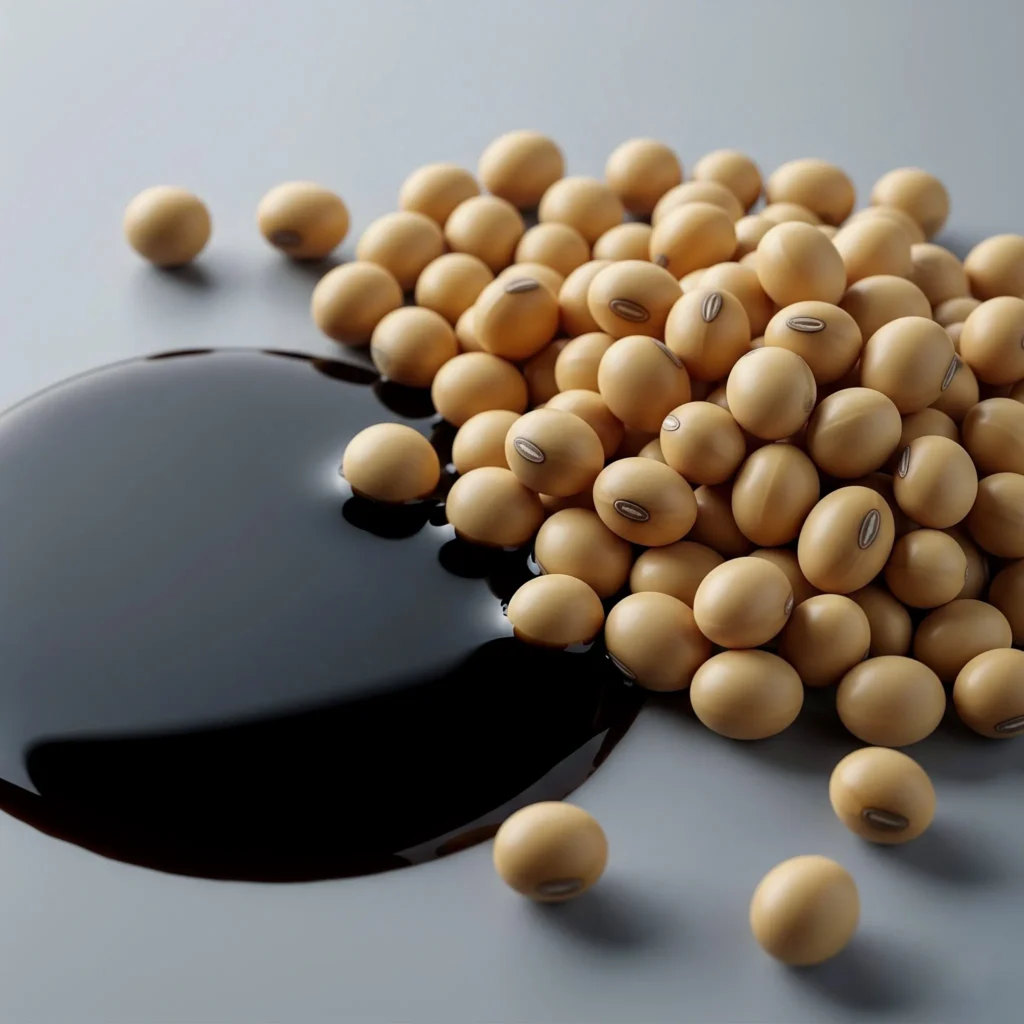
Features
Soybeans hold an important position, especially in Asian cuisine, and stand out with their nutritional value (high protein).
Compared to other legumes, they have a higher fat content. The seeds are hard, round, and yellow.
Furthermore, soybeans are the raw material for many products such as tofu, soy milk, miso, and soy sauce.
Recipe Suggestions
Vegan consumers use soybeans especially in the production of soy milk and yogurt.
Besides that, soy sauce is frequently preferred in global recipes, particularly in Asian cuisine.
Major soybean dishes include tofu stir-fry, fried rice with soy sauce, boiled soybeans (edamame), and soy mince tacos.
9) What are Mung Beans?
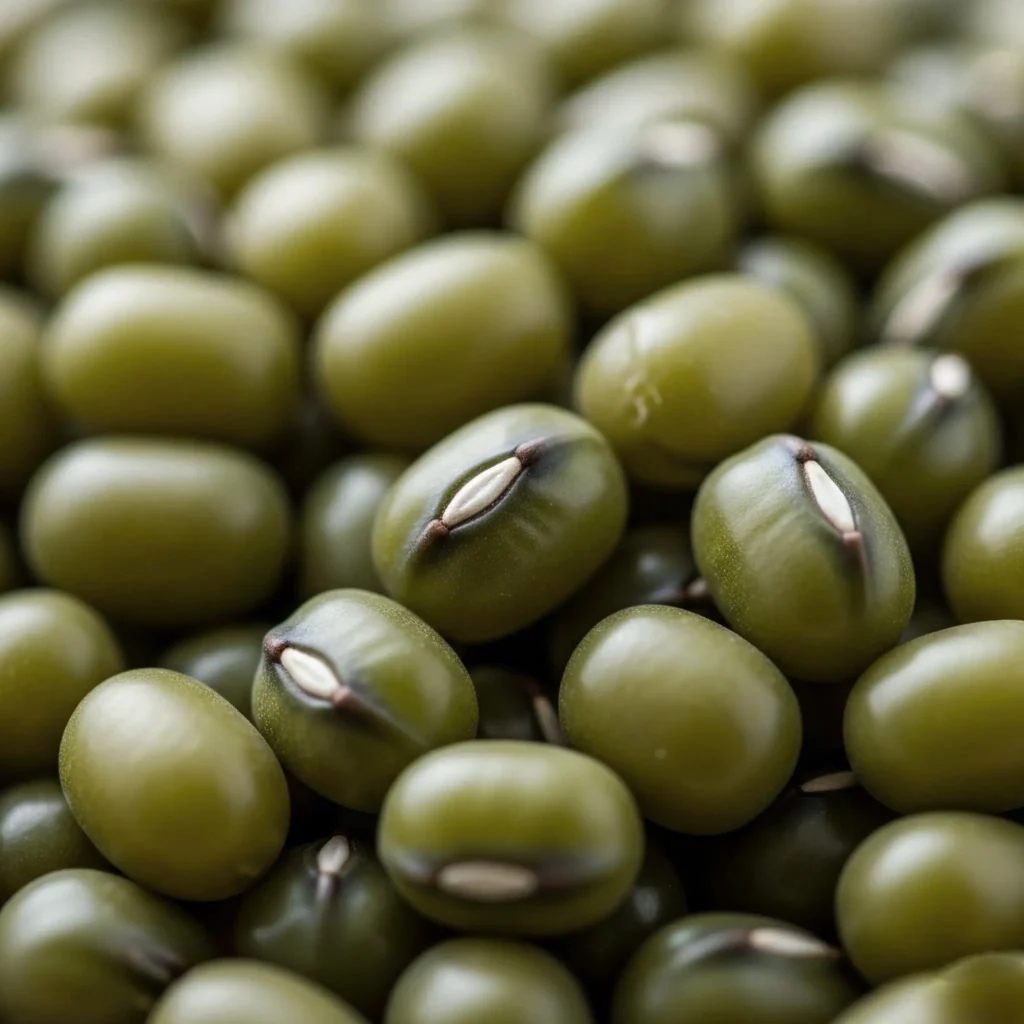
Features
Mung beans are small green legumes widely used in Indian, Chinese, and Thai cuisines.
While rich in antioxidants, they contain high fiber and low fat. Being easily digestible and having a low tendency to cause gas distinguishes Mung beans from other pulse types.
Culinary Uses
Mung beans are frequently used in vegan and gluten-free recipes.
In Far East cuisines, they are preferred in soups, desserts, and garnishes.
Mung bean salad, sautéed mung beans with onions, and bulgur pilaf with mung beans are just a few of the wonderful recipes.
Final Words: A Sustainable Life
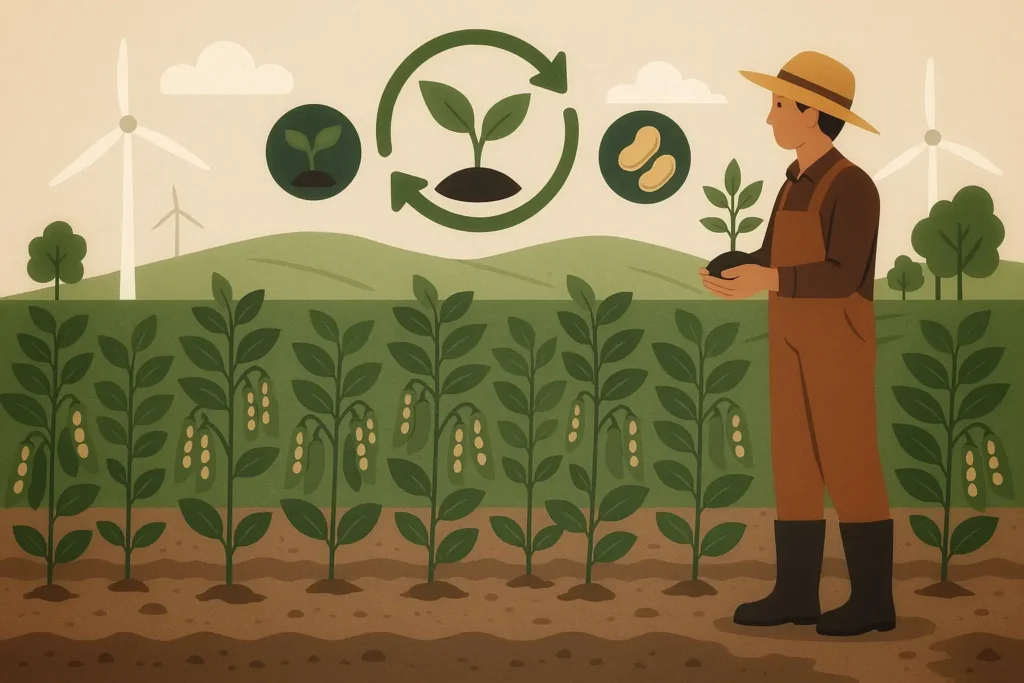
Legumes are key foods not only for the kitchen but also for a healthy lifestyle.
Lentils, Borlotti Beans, Peas, Soybeans, Black-Eyed Peas, Fava Beans, Chickpeas, Mung Beans.
All these legume varieties continue to add diversity to our tables today with their unique textures and colors.
I hope you can use the information about legume types and pulse dishes in this GastroCafer guide for a sustainable world order.
See you in new articles, stay joyful! 🙂
Continue your gastronomy journey without slowing down with “How Long to Boil an Egg?“ and “How Much Is a Pinch?“!
Cafer Can Yeşilyurt
Helpful Resources