

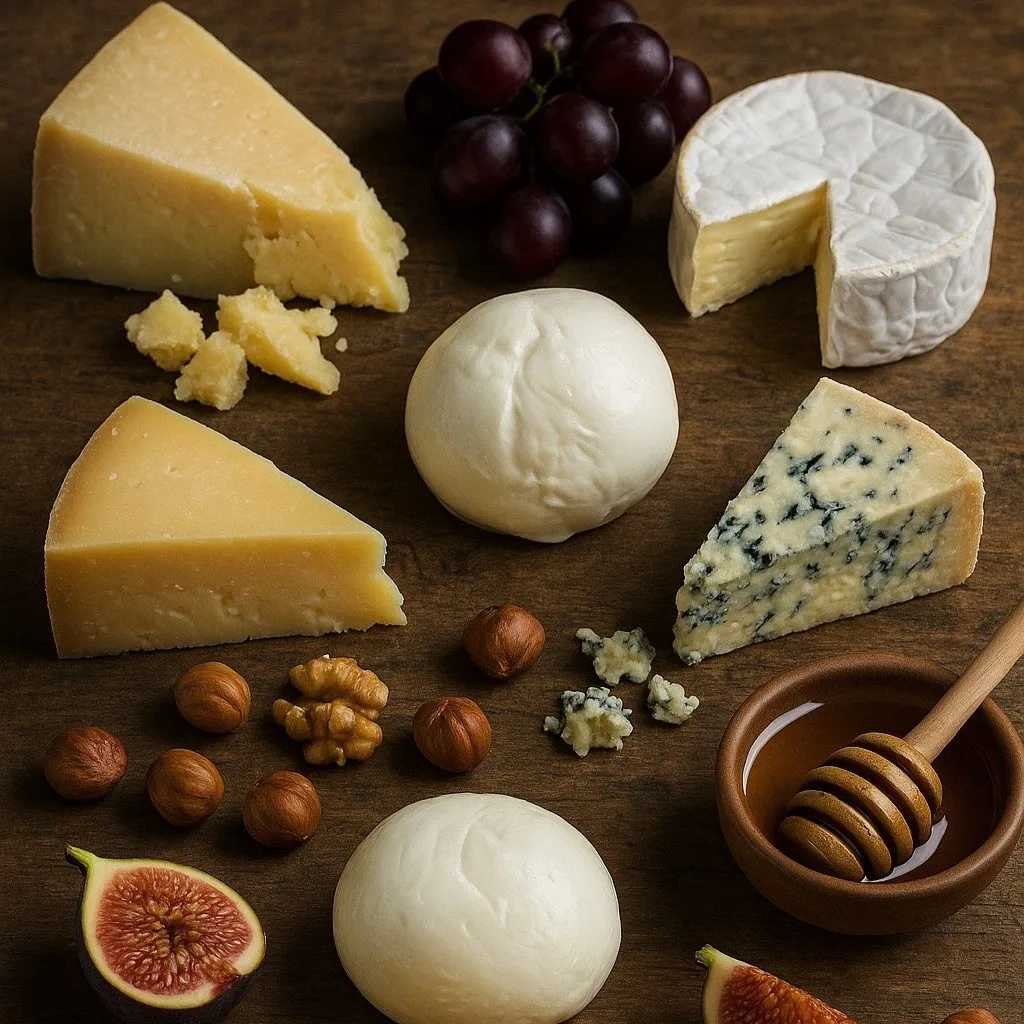
Cheese is one of humanity’s oldest and most fascinating culinary creations.
For thousands of years, people have transformed milk into cheese using traditional techniques, cultures, and natural enzymes.
Yet what truly makes cheese special is the unique character that each region brings to it.
As climates, landscapes, and farming traditions change, entirely different types of cheese emerge.
For example, local producer Uncle Ben’s fresh cheese is very different from that of a cave-aged cheese matured thousands of miles away.
Today, thousands of cheese varieties are produced around the world, each reflecting the culture of its place of origin.
Mozzarella, Parmigiano Reggiano, Labneh, Halloumi, Gouda, Mascarpone, Burrata, Feta, Roquefort, and Cheddar are only a small part of this remarkable diversity.
In this guide, GastroCafer explores 30 types of cheese from around the world, their flavor profiles, origins, and the best pairings.
This article was inspired by Epicurious’s YouTube video “How To Cut Every Cheese | Method Mastery” (available at the end of this post).
While the video provides valuable insights, additional research and personal notes helped shape this guide.
If you’re ready, let’s explore some of the world’s most interesting cheeses together.
Say “cheese” before we begin! 🙂
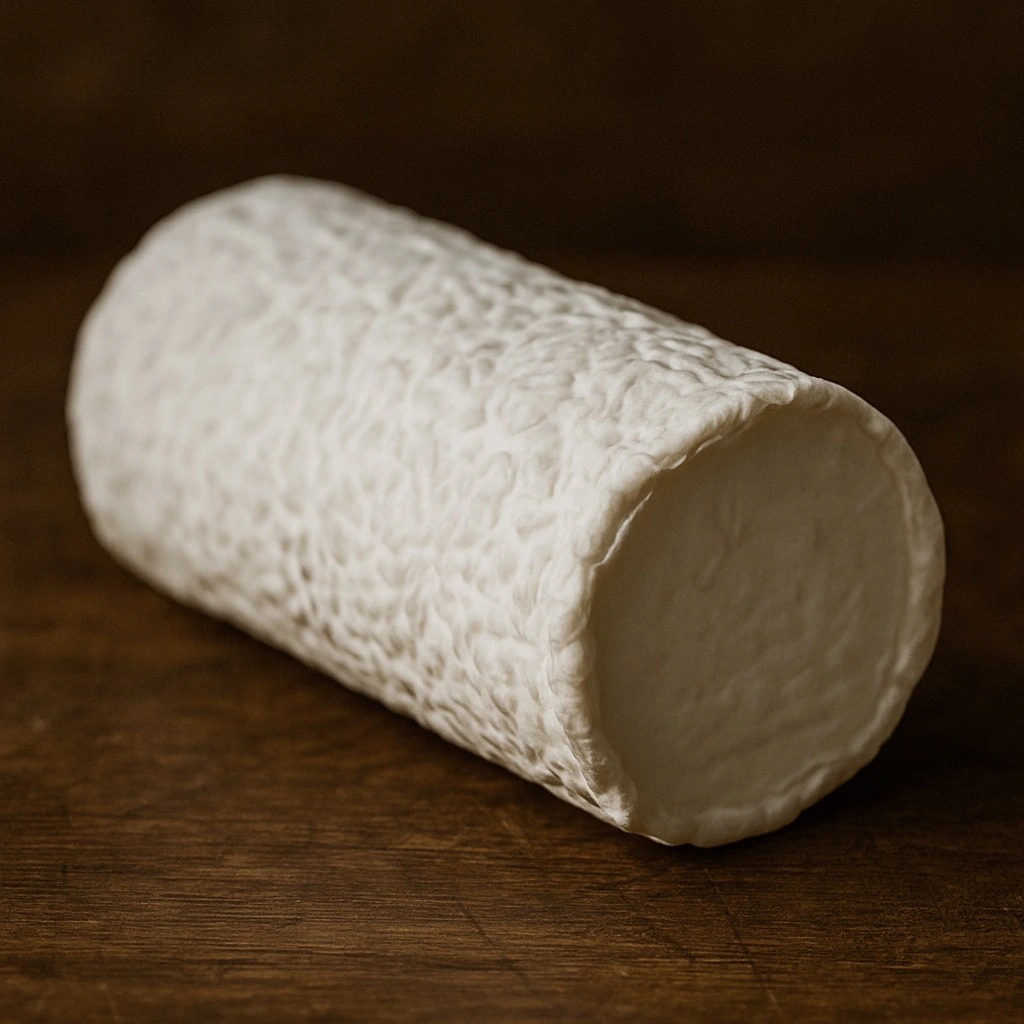
1. Goat Tomme – Traditional French Goat Cheese
Origin
France
Character & Flavor Profile
Falling into the uncooked pressed category, Goat Tomme offers the rustic aromas of goat’s milk.
Its semi-hard texture combined with earthy notes from the natural rind creates a classic French countryside feel on the palate.
Its sharpness is appetizing rather than overwhelming.
Perfect Pairings
- Salami
- Fermented charcuterie
- Sourdough bread
Gourmet Note: Serve it with some chutney to balance the flavors with a sweet-savory contrast.
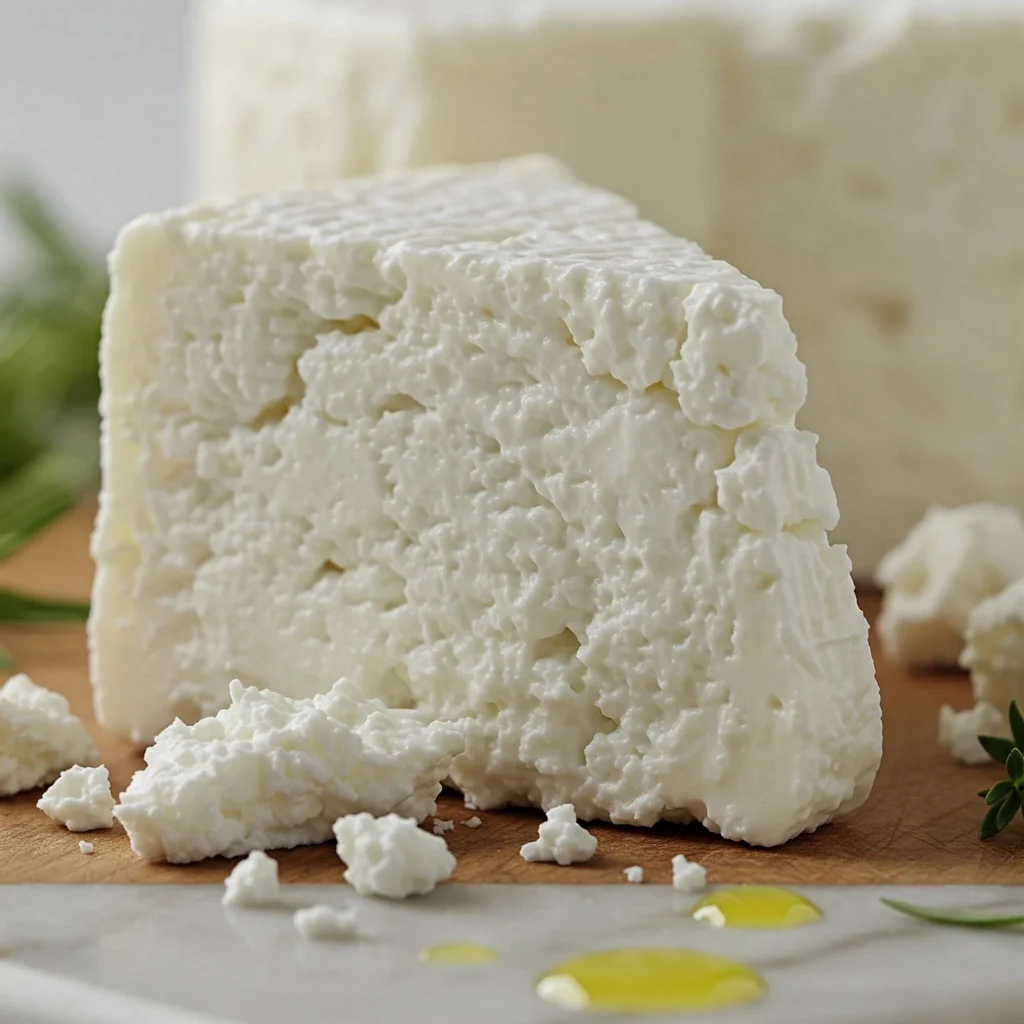
2. Queso Fresco – Traditional Mexican Fresh Cheese
Origin
Mexico
Character & Flavor Profile
True to its name, Queso Fresco is a soft and moist cheese enjoyed without aging.
With its milky and lightly salted profile, it acts as a refreshing balancer rather than an overpowering flavor in dishes.
Perfect Pairings
- Tacos
- Enchiladas
- Fresh herbs
- Any corn-based Mexican dishes
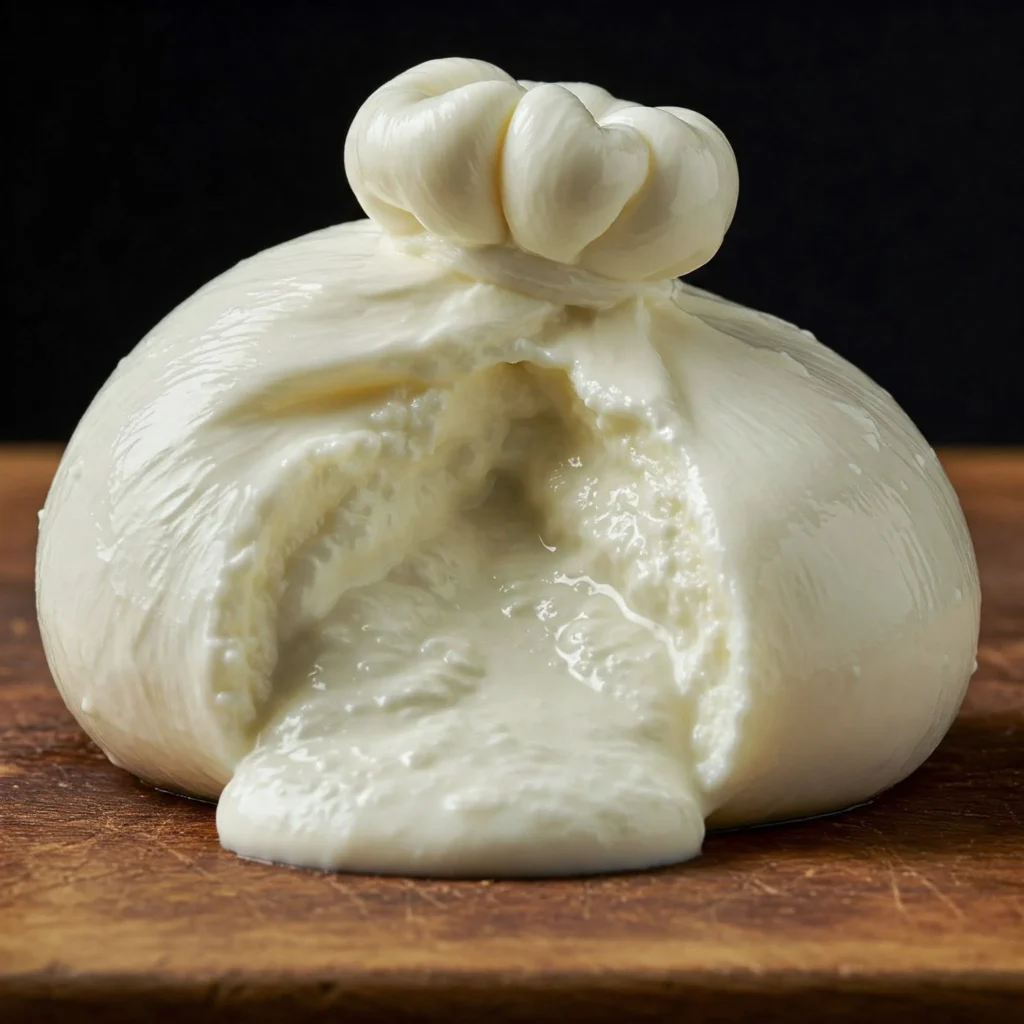
3. Burrata – Famous Italian Fresh Cheese
Origin
Puglia, Italy
Character & Flavor Profile
From the outside, Burrata looks like a standard fresh Mozzarella ball.
The real magic begins when you cut into this Italian cheese.
The secret lies in its structure:
An elastic mozzarella shell encasing a rich stracciatella core (a mix of cream and shredded mozzarella).
This delivers a pure, rich milk flavor.
Perfect Pairings
- Fresh basil
- Juicy tomatoes
- Prosciutto
- High-quality extra virgin olive oil
4. Cotija – Traditional Mexican Cheese
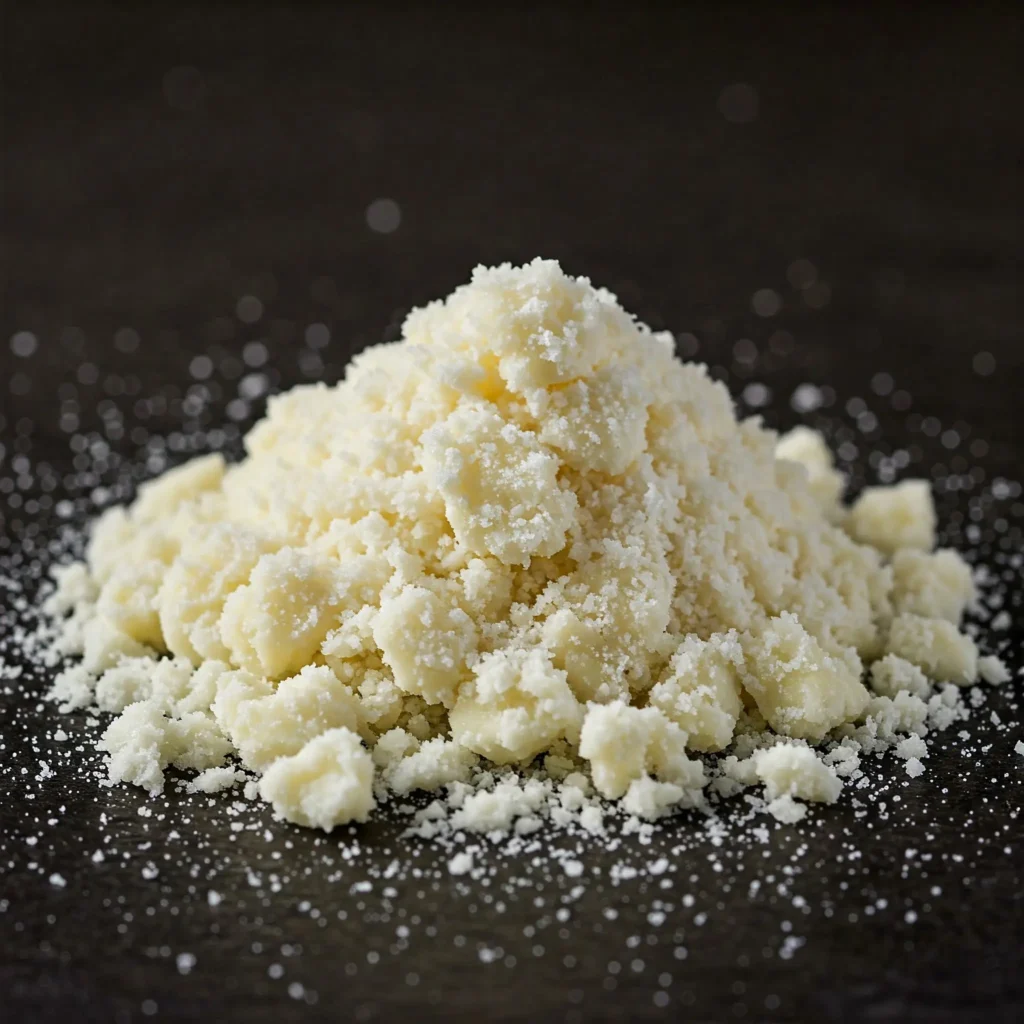
Origin
Cotija, Michoacán, Mexico
Character & Flavor Profile
Cotija is one of the most characteristic cheeses of Mexican cuisine.
Known for its hard, distinctly salty texture; it softens but does not melt when heated.
Cotija’s crumbly texture makes it the perfect last touch over warm dishes.
Perfect Pairings
- Elotes (Mexican street corn)
- Black beans
- Cilantro
- Hot sauces
5. Mascarpone – Creamy Italian Cheese
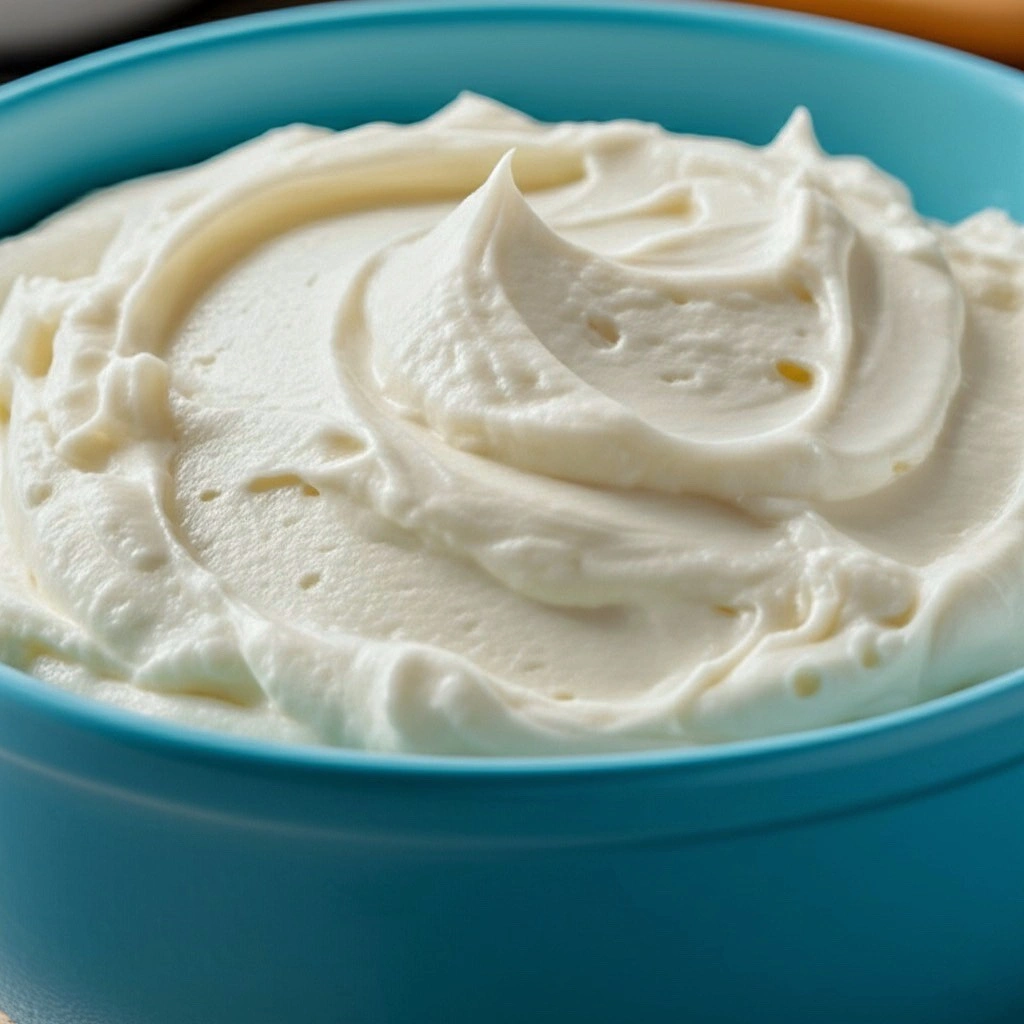
Origin
Lombardy, Italy
Character & Flavor Profile
Technically an acid-coagulated thick cream rather than a traditional cheese, Mascarpone boasts a high fat content.
This makes it rich, smooth, and subtly sweet.
As the base of Tiramisu, this unaged cheese preserves the pure aroma of fresh milk.
Perfect Pairings
- Fresh berries
- Espresso
- Cocoa powder
- Hazelnuts
- Crisp biscuits
6. Swallow Tail Tomme – Cave-Aged Cheese
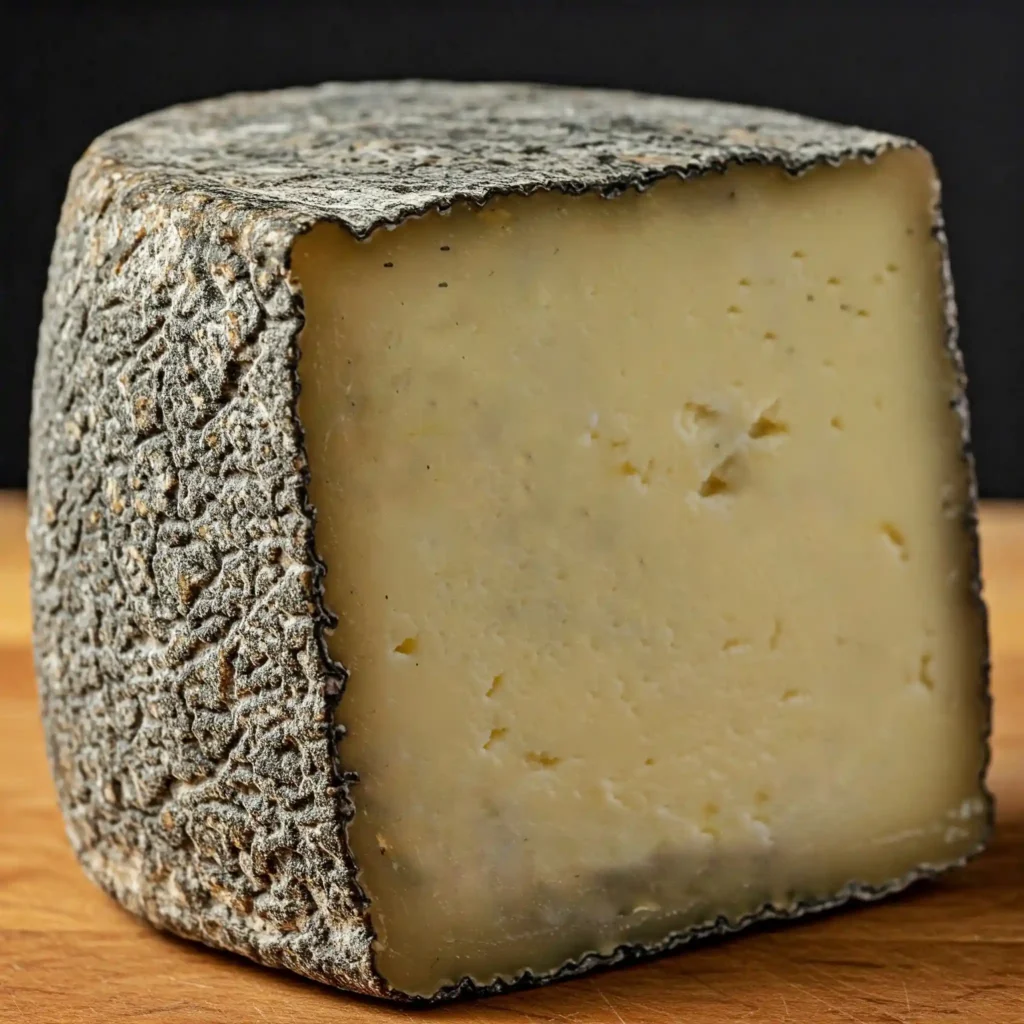
Origin
Vermont, USA
Character & Flavor Profile
Crafted from raw milk and aged in a cave environment, this cheese features a natural rind.
This rind protects a semi-hard, slightly tangy interior.
With a yogurt-like acidity and an earthy finish, it offers a complex flavor profile.
Perfect Pairings
- Cherries
- Stone fruits
- Light-bodied red wines like Pinot Noir
7. Parmigiano Reggiano – Famous Italian Hard Cheese
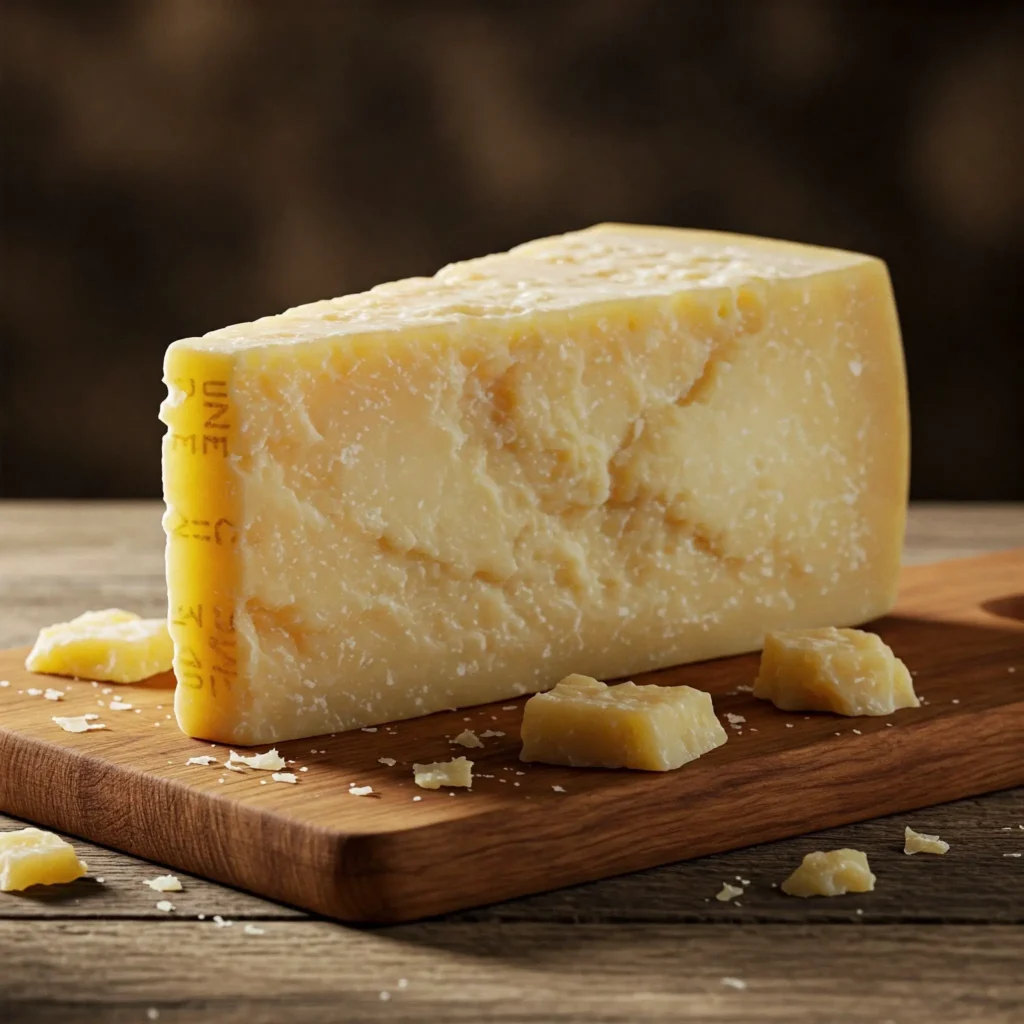
Origin
Emilia-Romagna, Italy
Character & Flavor Profile
Parmigiano Reggiano is cooked at high temperatures and aged for extended periods (often over 36 months).
“King of Cheeses” is famous for its distinct tyrosine crystals.
Its hard structure, intense saltiness, and deep umami flavor leave a great impression on the palate.
Perfect Pairings
- Aged balsamic vinegar
- Fresh figs
- Walnuts
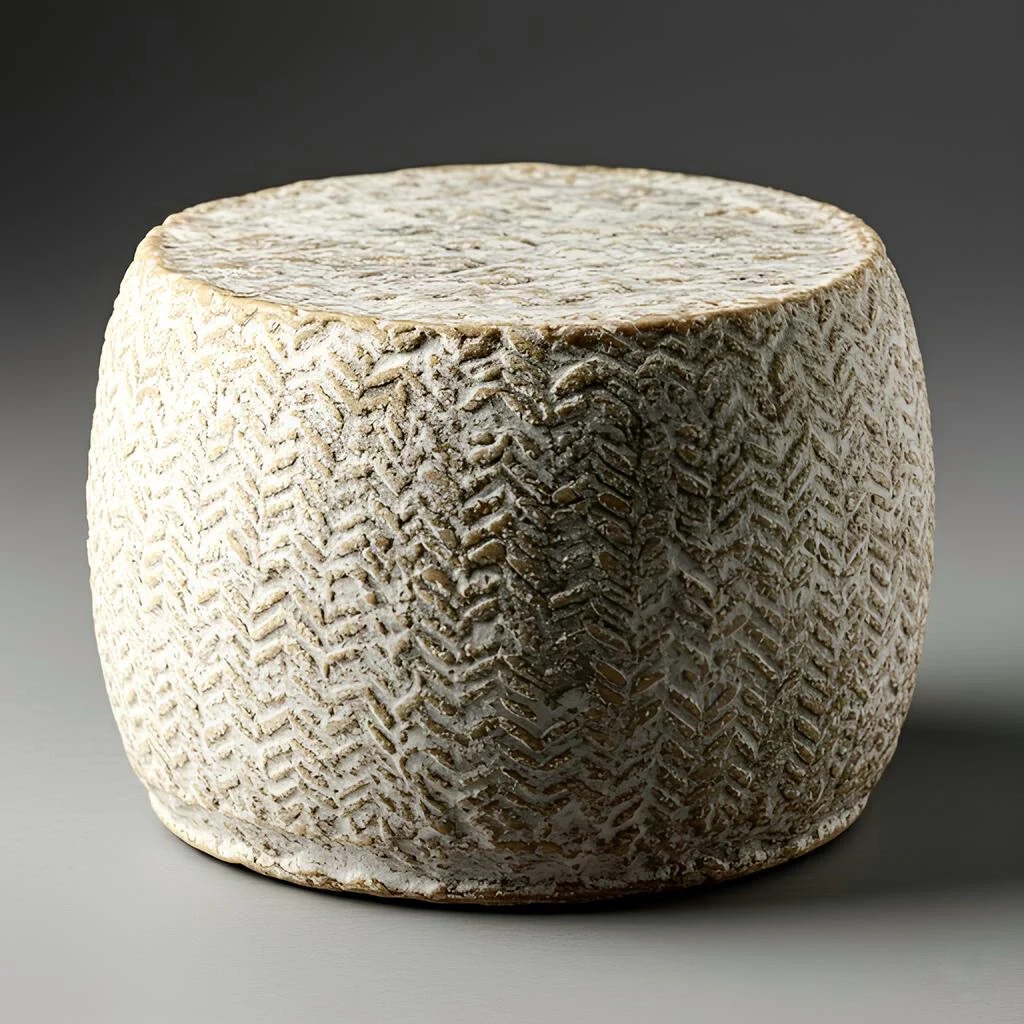
8. Bismark Clothbound Cheddar – Traditional Cheddar
Origin
USA
Character & Flavor Profile
Bismark Clothbound Cheddar benefits from the high fat content and sharpness of sheep’s milk.
It yields a deeper, nuttier, and slightly sweeter finish than typical cow’s milk cheddars.
The texture is firm but melts nicely in the mouth.
Perfect Pairings
- Apple slices
- Raisins
- Walnuts
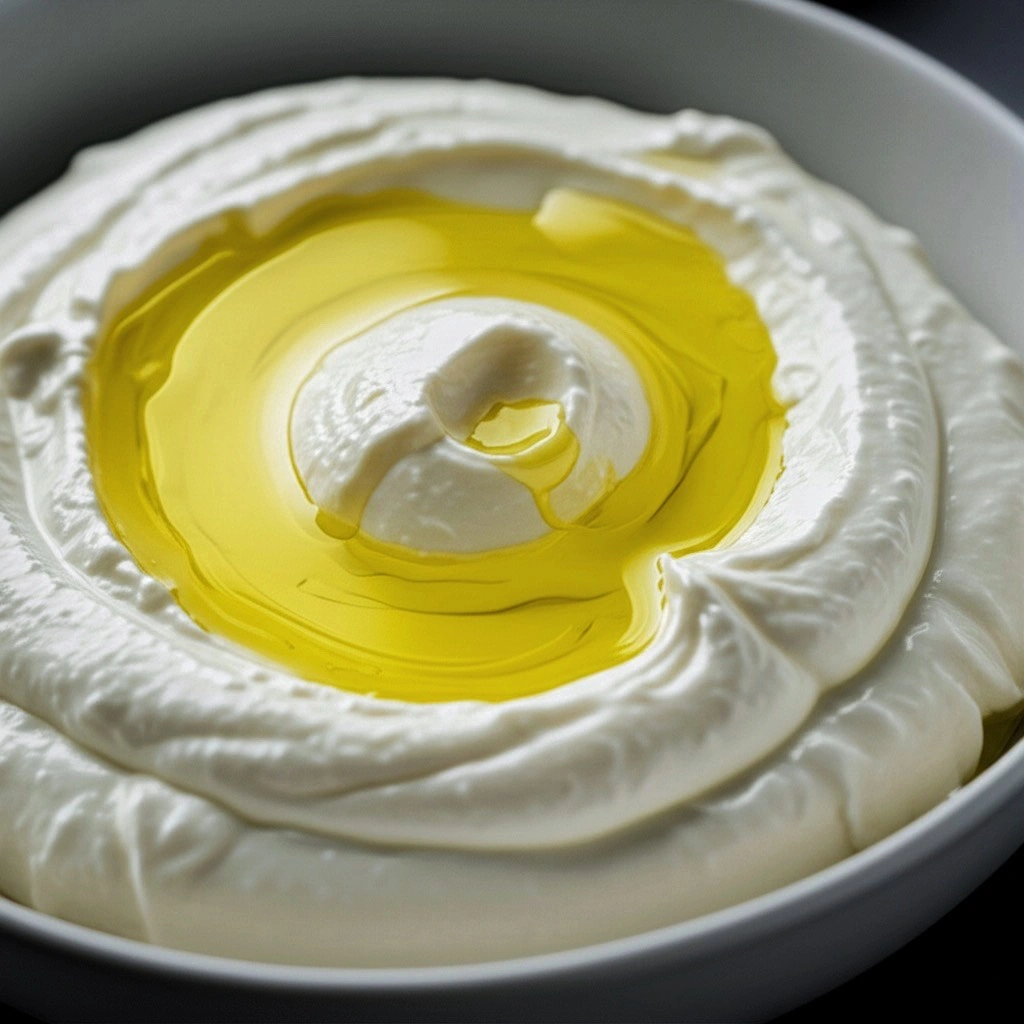
9. Labneh – Traditional Middle Eastern Cheese
Origin
Middle East
Character & Flavor Profile
Labneh is a widely popular Middle Eastern cheese made by straining liquid whey from yogurt.
Its rich, spreadable consistency make it indispensable for both breakfast spreads and traditional meze platters.
Perfect Pairings
- Za’atar spice blend
- Extra virgin olive oil
- Warm pita bread
- Fresh mint
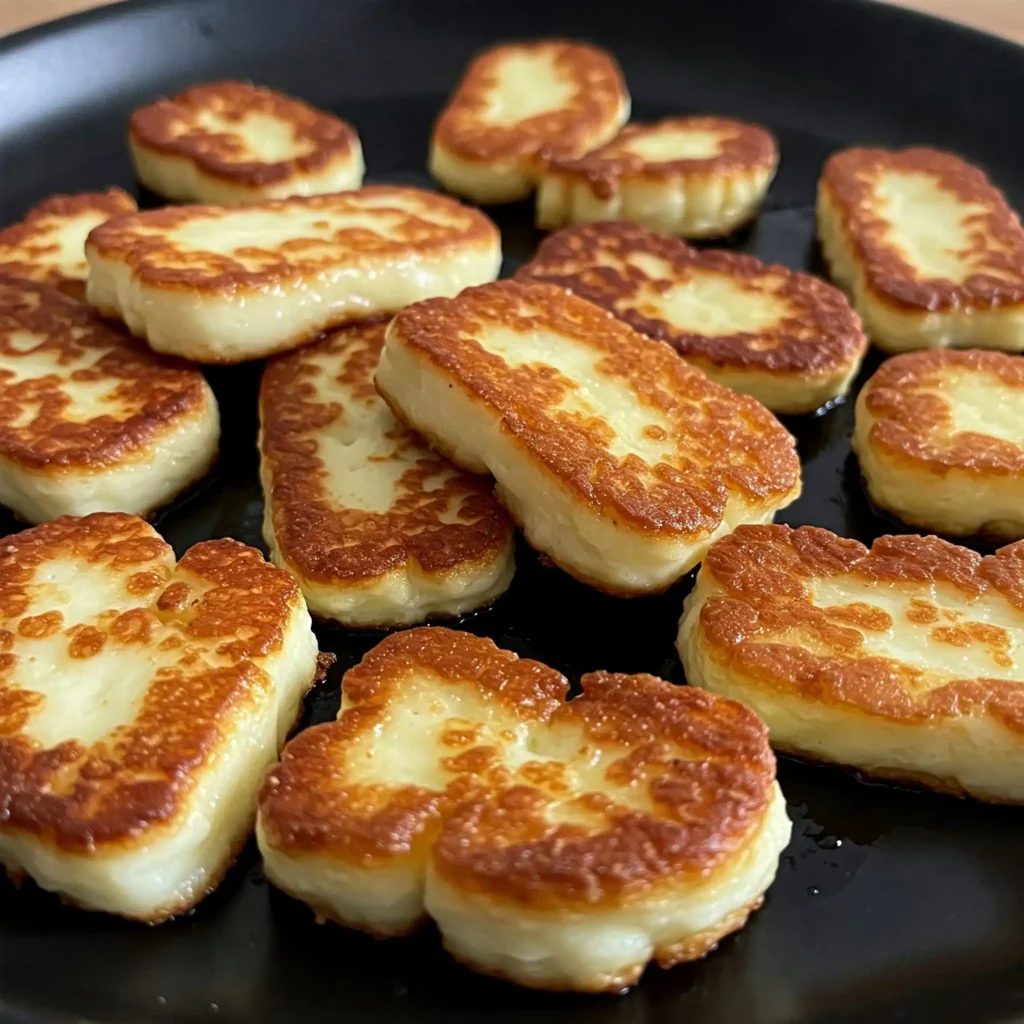
10. Halloumi – Famous Grilling Cheese
Origin
Cyprus
Character & Flavor Profile
Halloumi is one of the world’s most popular grilling cheeses thanks to its exceptionally high melting point.
It features a semi-hard, elastic texture that allows it to sear beautifully without melting.
On the grill, it develops a golden-crispy crust and a tender interior.
Its signature “squeaky” bite and bold saltiness define its unique character.
Perfect Pairings
- Grilled vegetables
- Juicy watermelon
- Fresh lemon
- Fresh mint
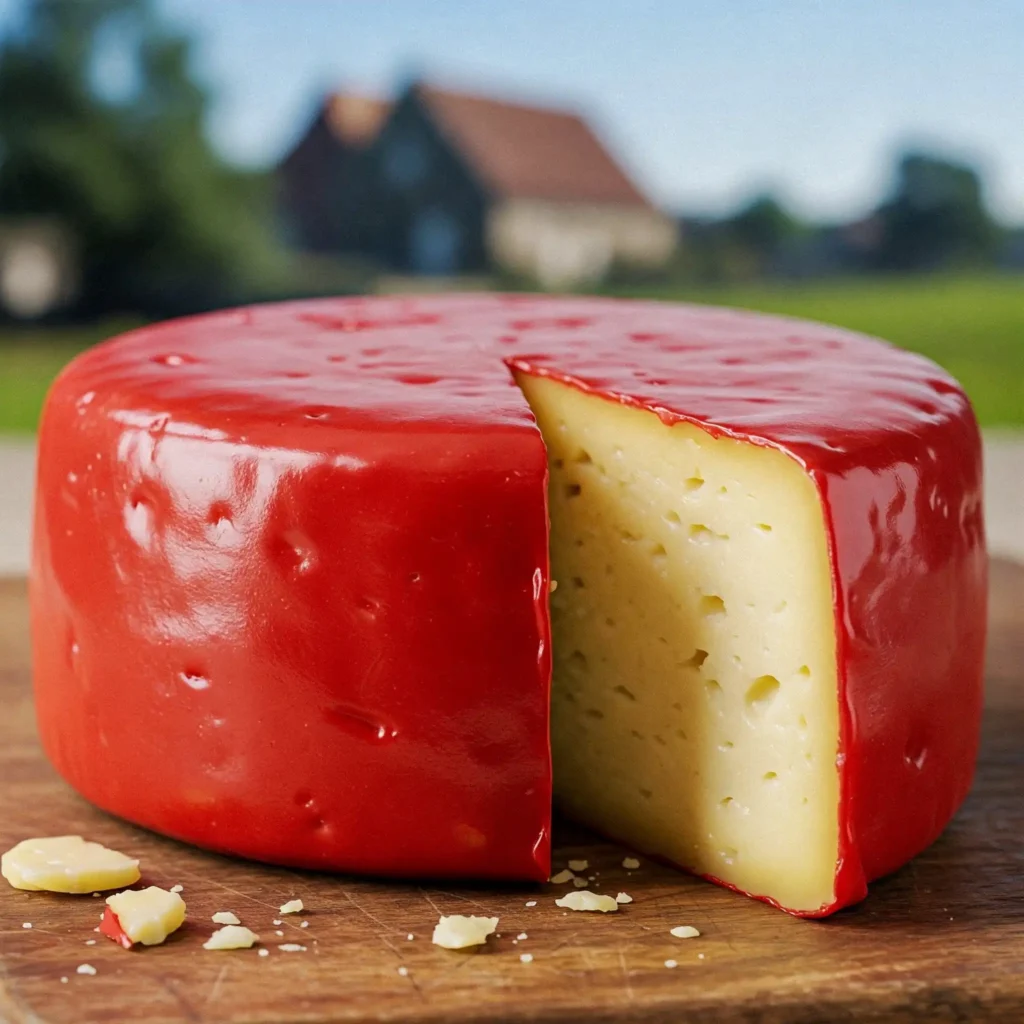
11. Gouda – Famous Dutch Cheese
Origin
Gouda, Netherlands
Character & Flavor Profile
Made from cow’s milk, Gouda is a classic Dutch cheese that transforms dramatically over time.
Young Gouda is soft and creamy, whereas Aged Gouda hardens and deepens in color.
Its overall taste profile is distinctively sweet, nutty, and caramelized.
Perfect Pairings
- Dark chocolate
- Walnut pralines
- Full-bodied red wines
12. Époisses – Classic Washed-Rind Cheese
Origin
Burgundy, France
Character & Flavor Profile
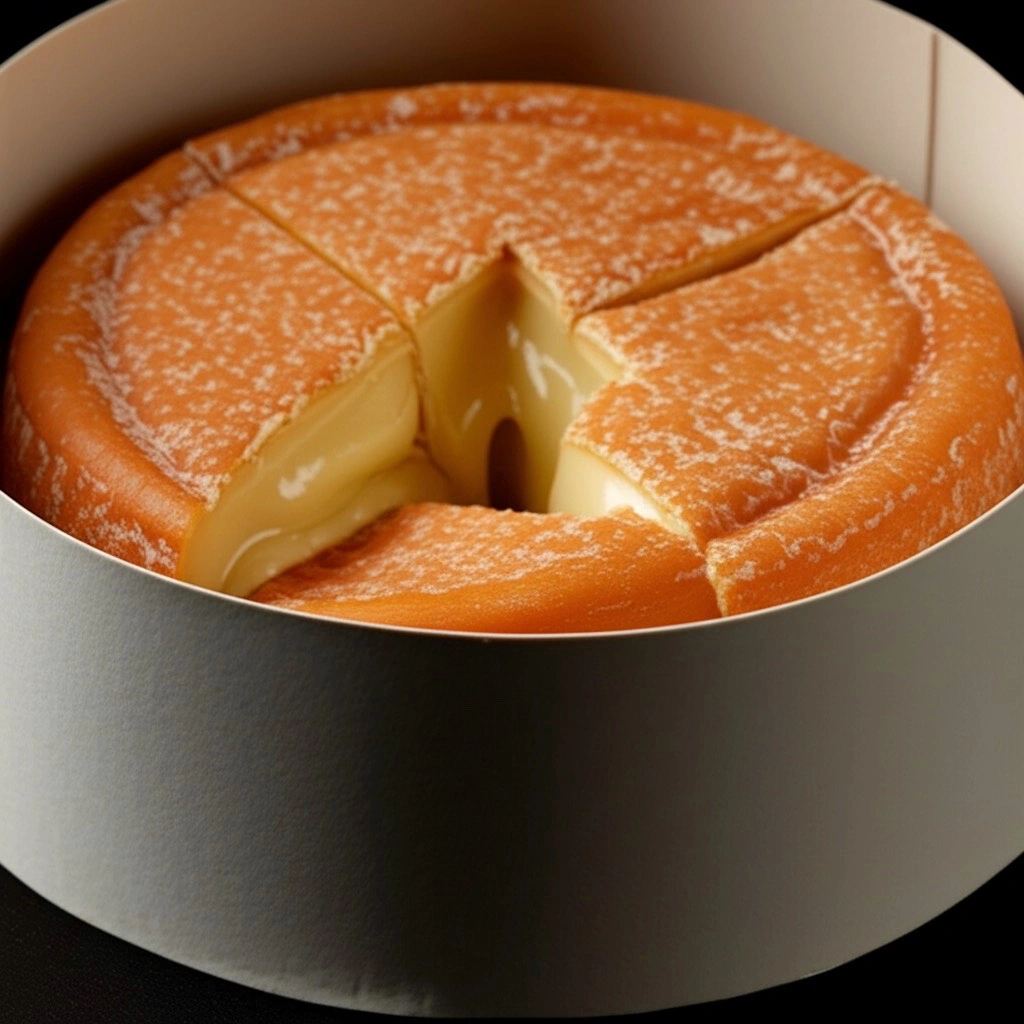
Reputedly one of Napoleon’s favorites, Époisses is a washed-rind cheese repeatedly rinsed with Marc de Bourgogne brandy during maturation.
This process gives it a striking orange rind and a strong, pungent aroma.
However, contrary to its scent, the flavor is surprisingly mellow, creamy, and fruity.
Perfect Pairings
- Rustic breads
- Crackers
- Potato chips
13. Winnimere – Spruce Wrapped American Cheese
Origin
Vermont, USA
Character & Flavor Profile
This raw cow’s milk cheese is wrapped in the inner bark (cambium) of spruce trees during aging.
This technique infuses Winnimere with woody, resinous, and subtly smoky aromas.
The interior becomes so soft and spoonable that the top rind is often sliced off completely to eat it with a spoon.
Perfect Pairings
- Baguette
- Pâté
- Olives
- Cured meats
- Pickles
14. Coupole – French-Style Goat Cheese
Origin
Vermont, USA
Character & Flavor Profile
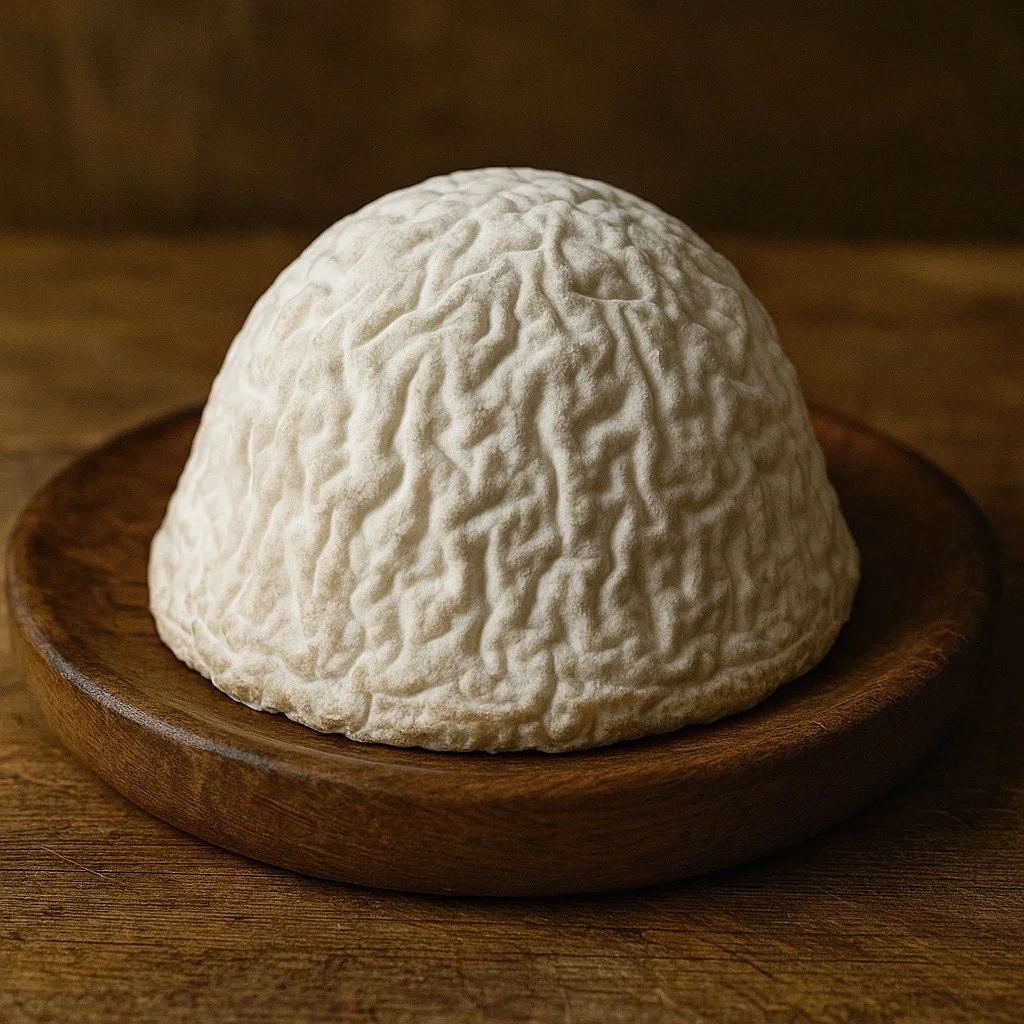
Named for its dome shape, Coupole develops a brain-like bloomy rind as it matures.
While the edible rind delivers a savory flavor, the interior remains remarkably dense and carries the fresh taste of goat’s milk.
Perfect Pairings
- Citrus marmalades
- Fresh figs
- Hazelnut crackers
15. Roquefort – Famous French Blue Cheese
Origin
Roquefort-sur-Soulzon, France
Character & Flavor Profile
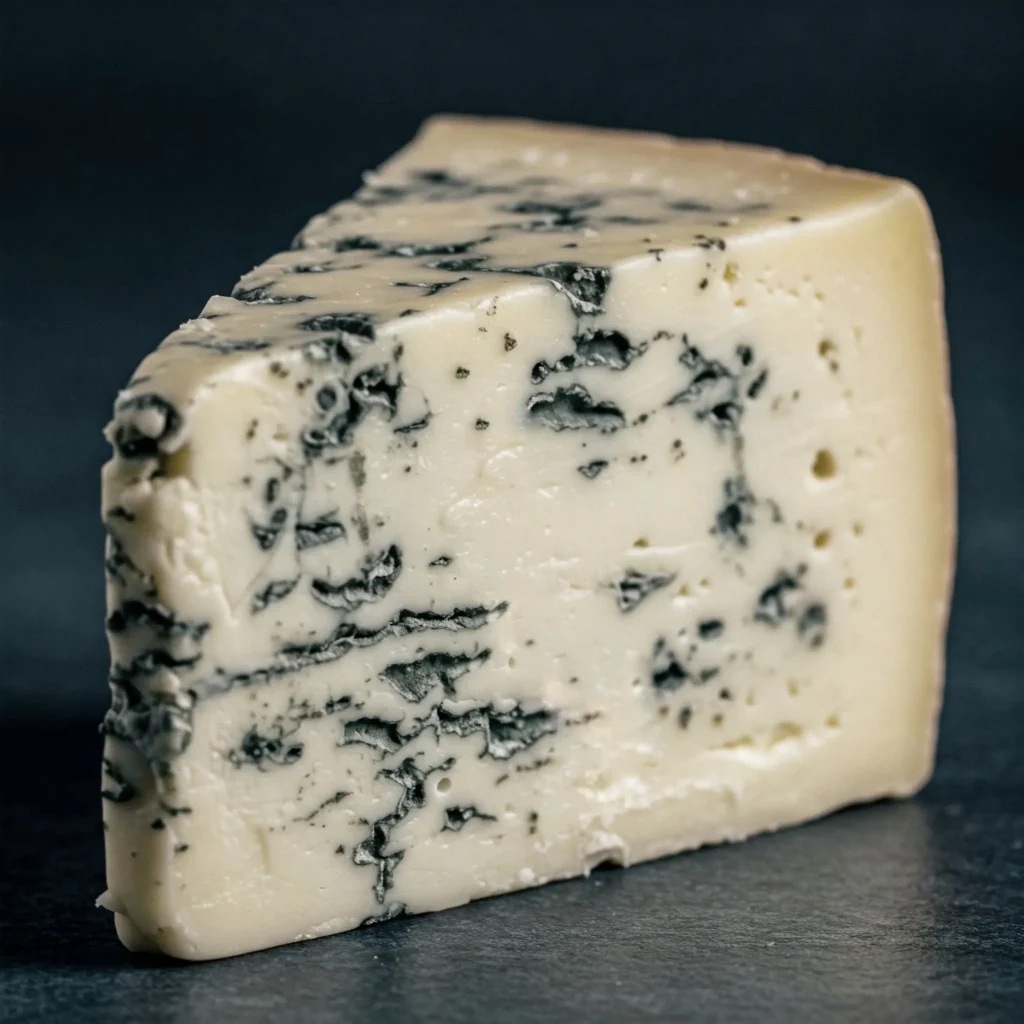
Produced only within the natural caves of France using raw sheep’s milk, Roquefort is a famous French blue cheese.
It is sharp, salty, and slightly metallic with a distinct peppery kick.
Due to its moist and crumbly nature, it should always be cut with a dedicated cheese wire rather than a traditional knife.
Perfect Pairings
- Baguette
- Honey (to balance the saltiness)
- Butter
- Walnuts
- Dried fruits
16. Gorgonzola – Classic Italian Blue Cheese
Origin
Lombardy, Italy
Character & Flavor Profile
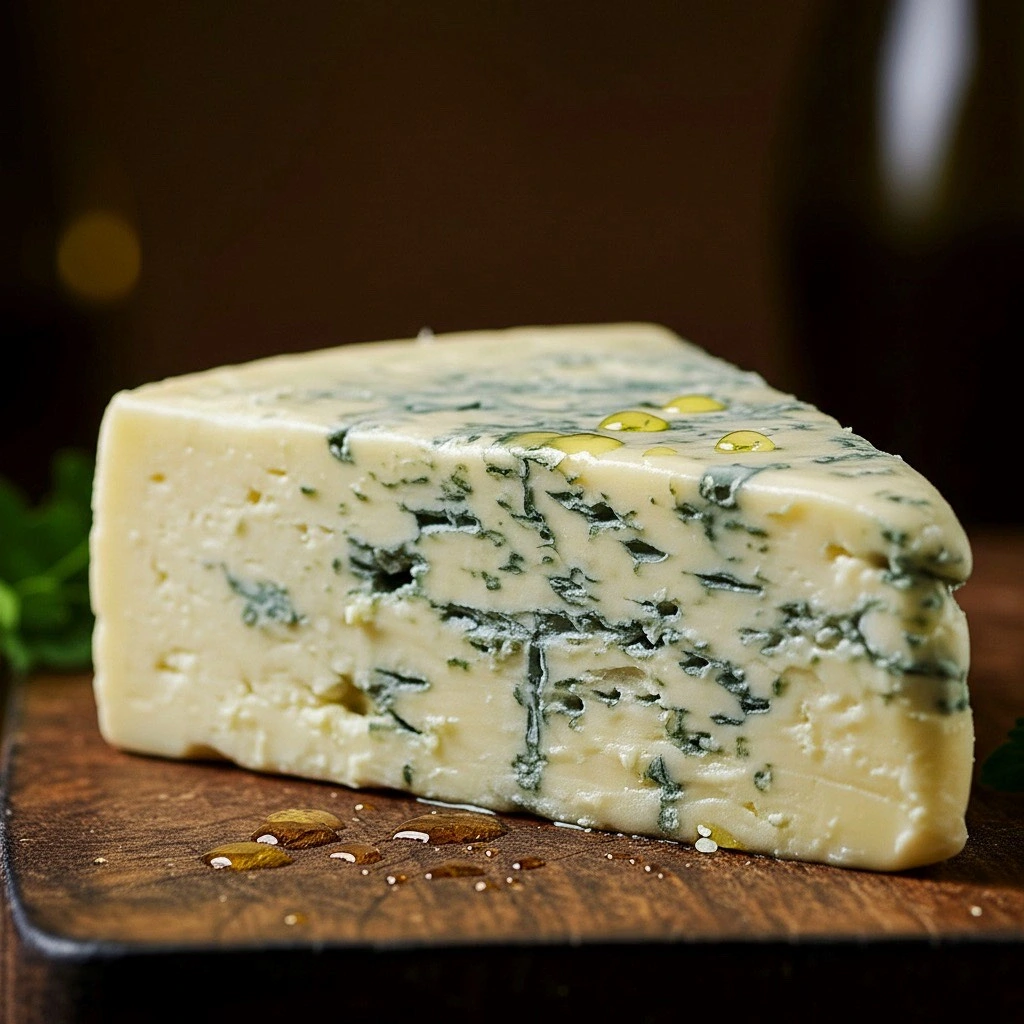
The striking blue-green mold veins of this classic are developed by piercing the cheese wheels (for the mold to grow).
Renowned for its marbled look, Gorgonzola delivers an earthy, spicy, and buttery flavor profile.
Perfect Pairings
- Honeycomb
- Roasted walnuts
- Fresh fruits
- Pears
17. Brie – Famous French Soft Cheese
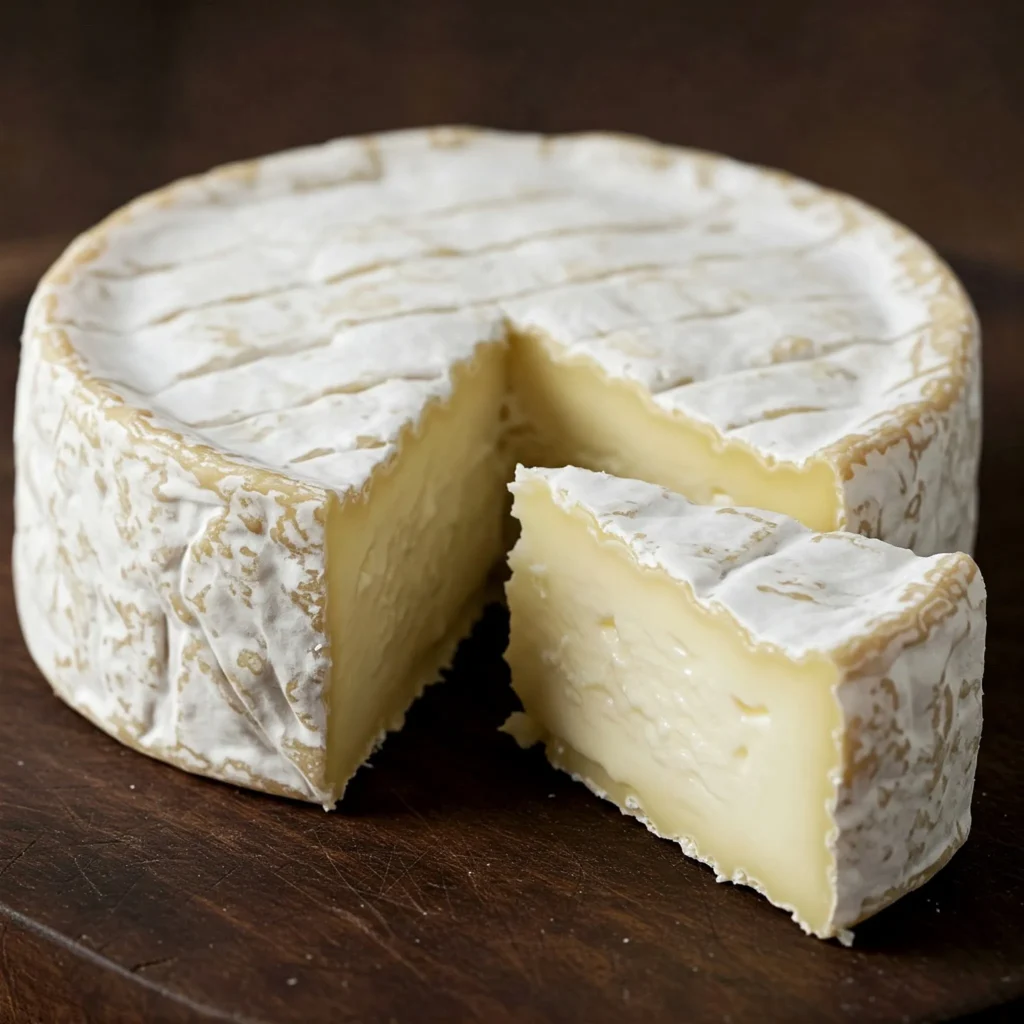
Origin
France
Character & Flavor Profile
Often referred to as the “Queen of Cheeses“, Brie is blanketed by a soft, edible white mold rind.
At room temperature, its interior becomes wonderfully soft and runny.
Brie’s flavor palette includes notes of wild mushrooms, sautéed vegetables, and rich butter.
Perfect Pairings
- Fresh fruits
- Champagne
- Honey
- Simple crackers
- Walnuts
18. Camembert – Traditional French Soft Cheese
Origin
Normandy, France
Character & Flavor Profile
Though similar to Brie, Camembert is crafted in smaller wheels which changes its maturation process.
The result is a more intense earthy flavor profile, often carrying distinct rustic notes.
The interior is famously soft and pale gold.
Perfect Pairings
- Hard apple cider
- Pear slices
- Walnut bread
19. Mozzarella – Famous Italian Cheese
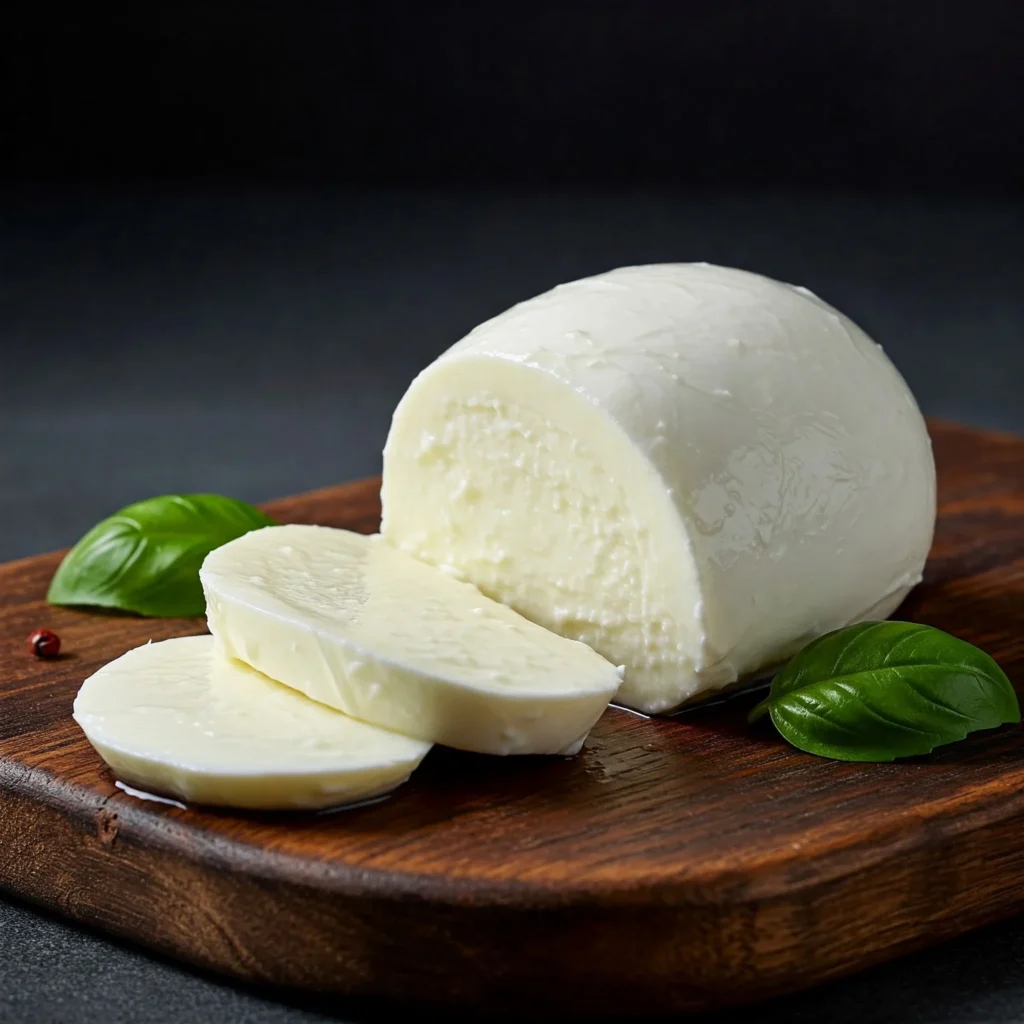
Origin
Campania, Italy
Character & Flavor Profile
Mozzarella is a famous Italian cheese celebrated for its clean, subtly sweet, and milky flavor.
Traditionally made from water buffalo milk.
Mozzarella exhibits excellent stretch when melted on pizzas, but it is best preserved in its cold natural liquid.
Perfect Pairings
- Caprese salad (tomatoes, fresh basil, extra virgin olive oil)
20. Havarti – Traditional Danish Cheese
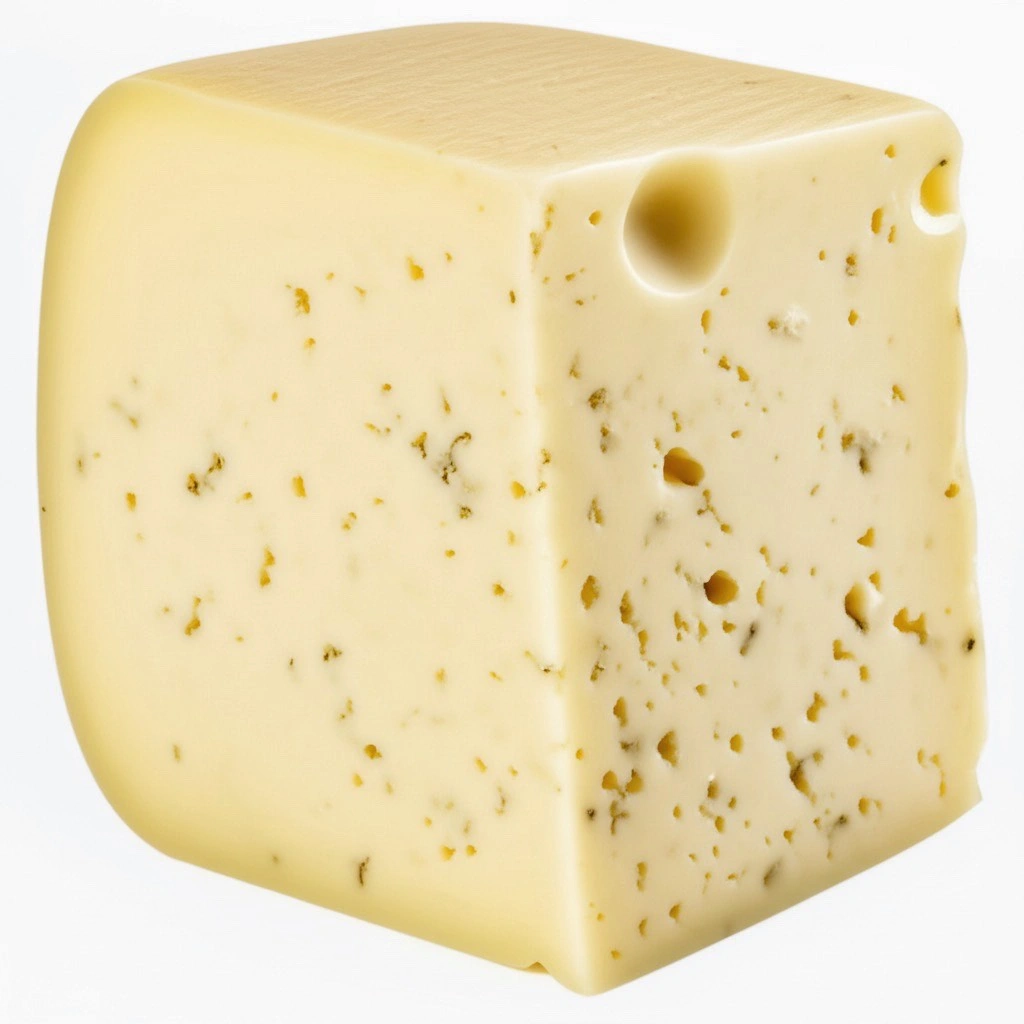
Origin
Denmark
Character & Flavor Profile
Recognizable by its springy, porous structure and semi-soft texture.
Because of the curd-washing process during production, Havarti maintains a very low acidity.
Resulting in a mild, buttery, and approachable flavor.
Herb-infused variations featuring dill or caraway seeds are also very popular.
Perfect Pairings
- Crackers
- Fresh grapes
- Sandwiches
- Light white wines
- Candied fruits
21. Chèvre – Classic French Goat Cheese
Origin
France
Character & Flavor Profile
Chèvre refers to fresh goat cheese, often sold in a “bûche” (log) format.
The exterior might be dusted with vegetable ash or a light white mold.
Inside, it reveals a crumbly texture balanced by a vibrant lemony acidity and fresh herbs notes.
Perfect Pairings
- Honey
- Beets
- Walnuts
- Fresh fruits
- Dates
22. Ricotta – Traditional Italian Fresh Cheese
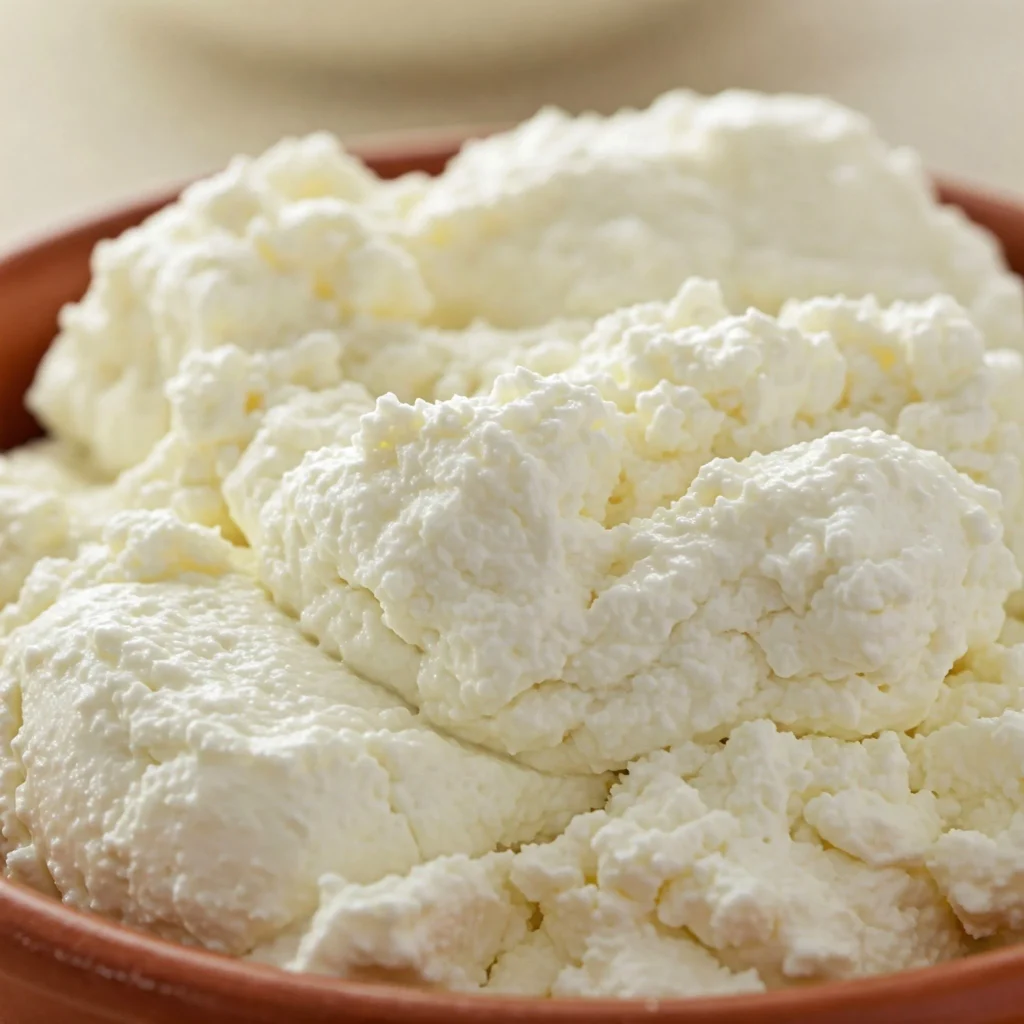
Origin
Italy
Character & Flavor Profile
Crafted by reheating the whey left over from other cheese productions, Ricotta has a light and creamy flavor.
This neutral base makes it a versatile ingredient for both sweet and savory recipes.
Perfect Pairings
- Honey
- Breads
- Fresh fruits
- Lasagna fillings
23. Provolone – Italian Semi-Hard Cheese
Origin
Italy
Character & Flavor Profile
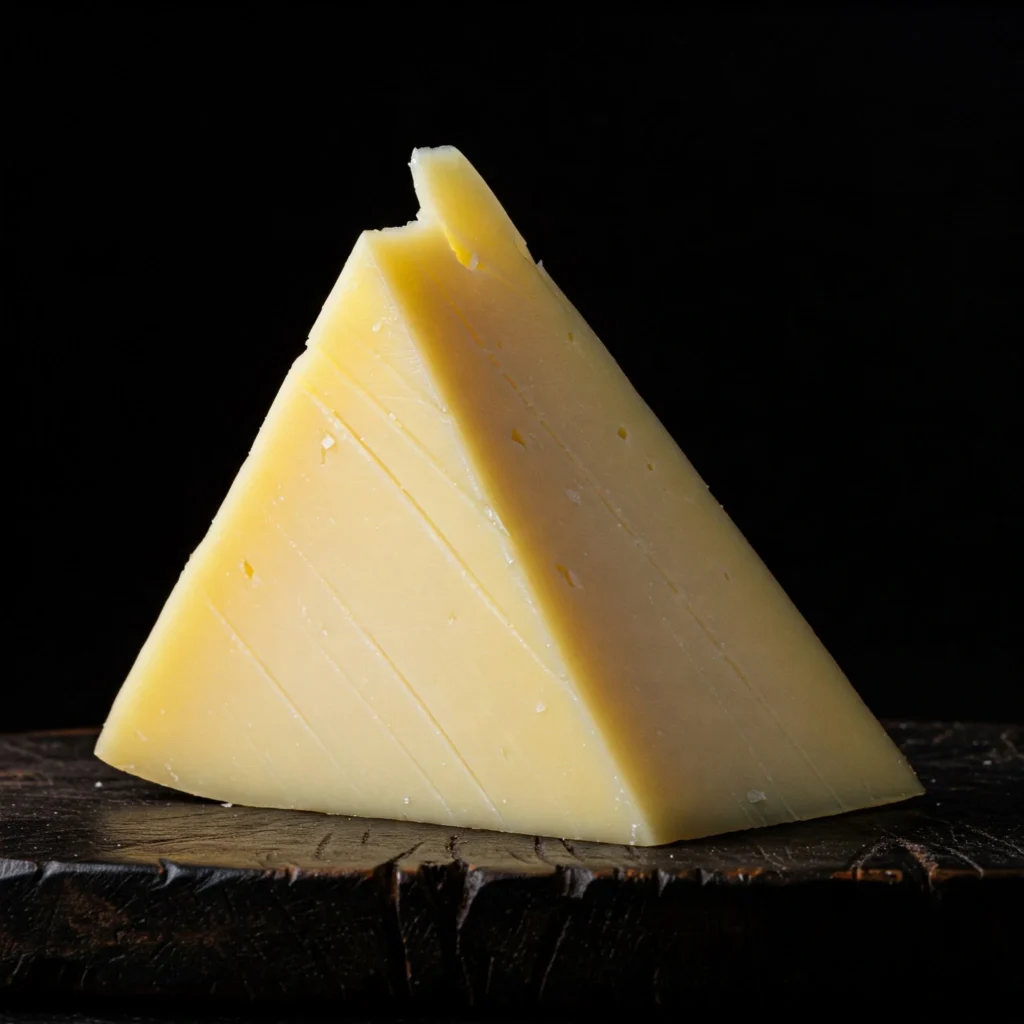
This semi-hard cheese is traditionally bound in ropes and hung to age in pear-shaped molds.
When young (Provolone Dolce), it is mild and sweet.
As it undergoes extended aging (Provolone Piccante) it hardens, turns darker, and develops a sharp-spicy character.
Perfect Pairings
- Salami sandwiches
- Olives
- Cured meats
- Strong beers
- Pickles
24. Gruyère – Famous Swiss Cheese
Origin
Fribourg, Switzerland
Character & Flavor Profile
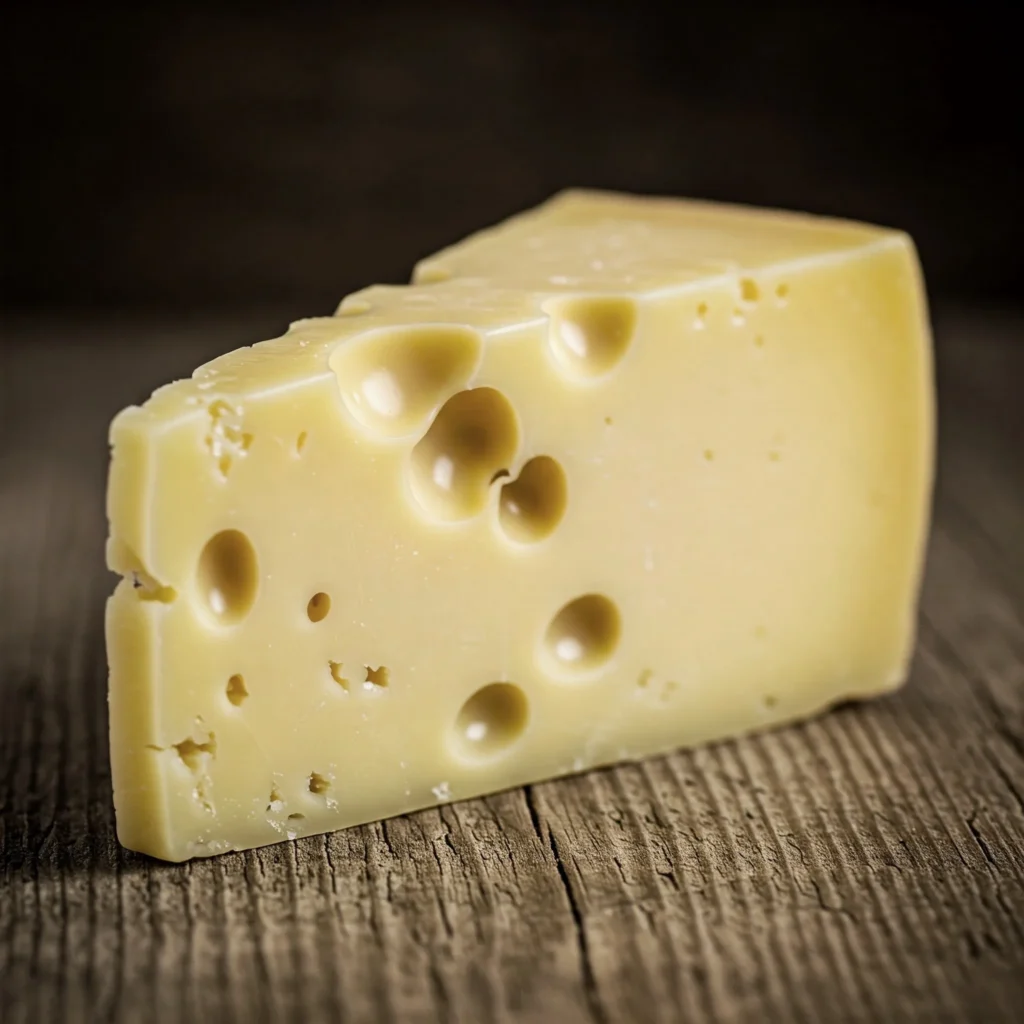
Gruyère is one of Switzerland’s most famous mountain cheeses.
It is known for its hard, dense, and slightly grainy texture.
Gruyère opens with fruity notes before deepening into a rich, nutty, and earthy finish.
Because it melts flawlessly, it is the classic choice for the top layer of French Onion Soup.
Perfect Pairings
- Whole-grain mustard
- Cornichons
- White wine
- Croque Monsieur
- Fondue
25. Feta – Traditional Greek Cheese
Origin
Greece
Character & Flavor Profile
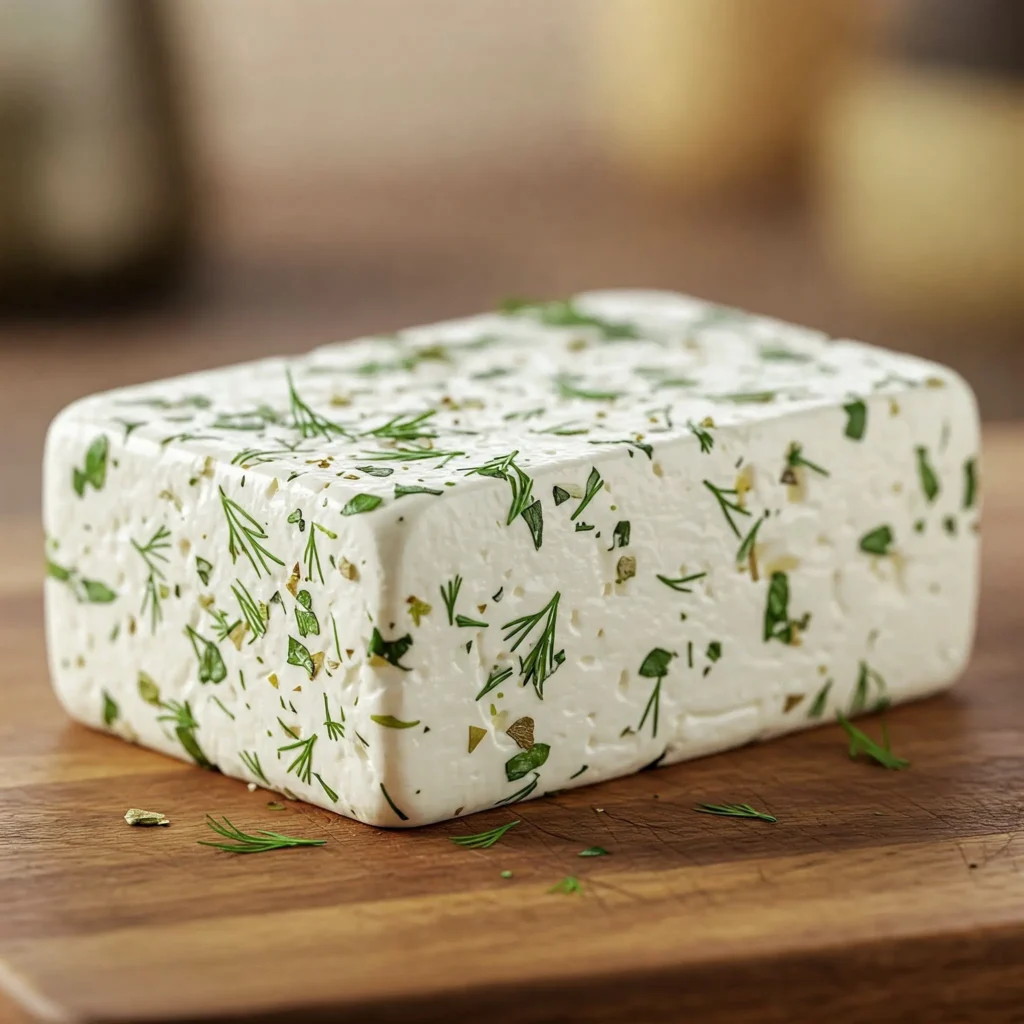
Made from sheep’s milk or a blend with goat’s milk, Feta is a Greek cheese aged in blocks of brine.
This preservation method gives it a sharp, salty tang and a firm but crumbly texture.
Compared to other white cheeses, authentic Feta is distinctly denser and non-porous.
Perfect Pairings
- Greek salad
- Olives
- Watermelon
- Oregano
- Extra virgin olive oil
- Tomatoes
26. Shelburne Farms Cheddar – Artisan Cheddar
Origin
Vermont, USA
Character & Flavor Profile
Unlike typical orange cheddars, Shelburne Farms Cheddar is a straw-colored artisan cheese.
It is crafted entirely from raw cow’s milk, and it is aged using vacuum-sealing techniques to preserve its natural moisture.
Shelburne Farms Cheddar offers a sharp umami flavor profile laced with savory, onion-like notes.
Perfect Pairings
- Apple slices
- Mustard
- Dark beers (Stout)
27. Farmer’s Cheese – Traditional Fresh Cheese
Origin
Global (with Eastern European roots)
Character & Flavor Profile
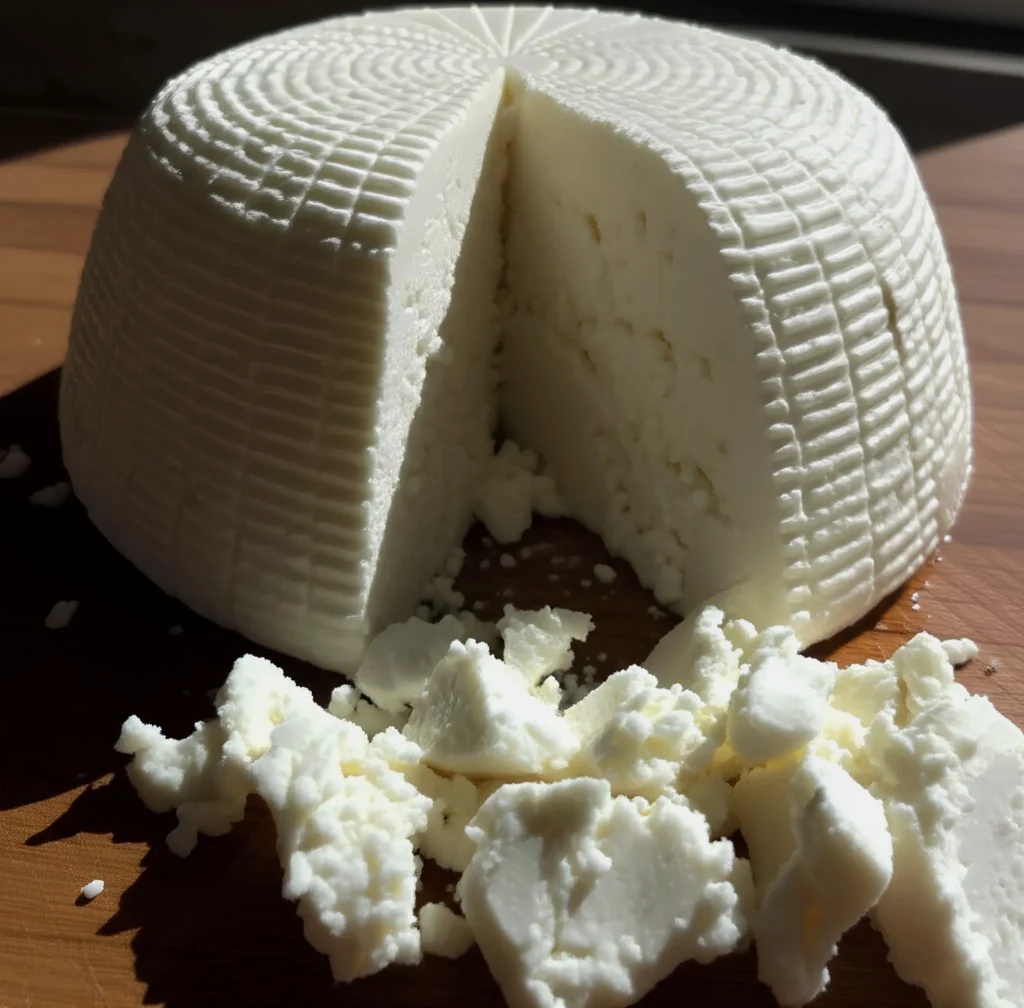
Farmer’s Cheese is created by curdling fresh milk and gently pressing out the whey.
It features a clean, mildly acidic, and a fresh taste profile.
Thanks to its unaged mildness, it acts as a perfect base for adding fresh garden herbs.
Perfect Pairings
- Dill
- Nigella seeds
- Fresh fruits
- Olive oil
- Green onions
- Toasted bread
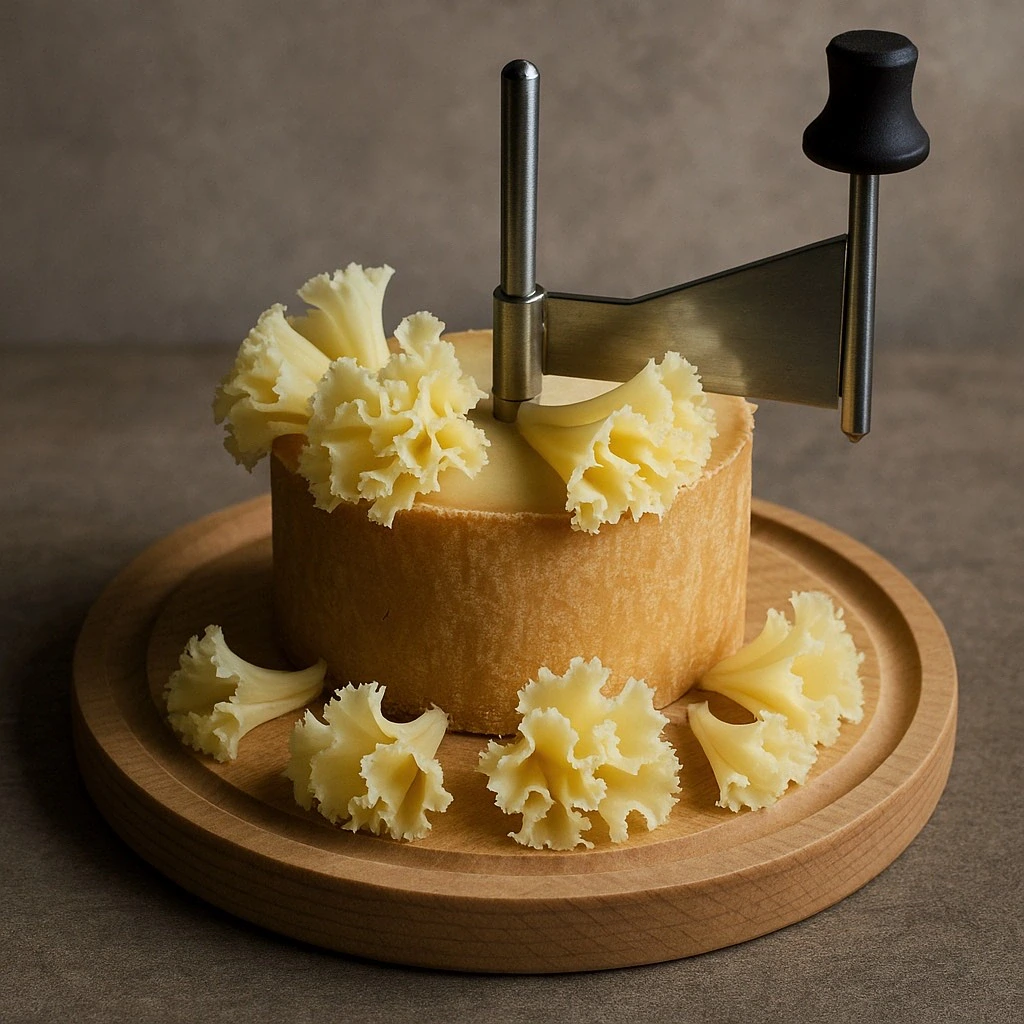
28. Tête de Moine – Famous Swiss Cheese Rosettes
Origin
Bernese Jura, Switzerland
Character & Flavor Profile
This semi-hard cheese is rarely sliced with a standard knife.
Instead, Tête de Moine is shaved using a circular rotating blade called a “Girolle” to create delicate rosettes.
This scraping process maximizes oxygen exposure, bringing out its nutty and spicy aromas.
Perfect Pairings
- Salads
- Dried fruits
- Potato dishes
- Enjoyed on its own
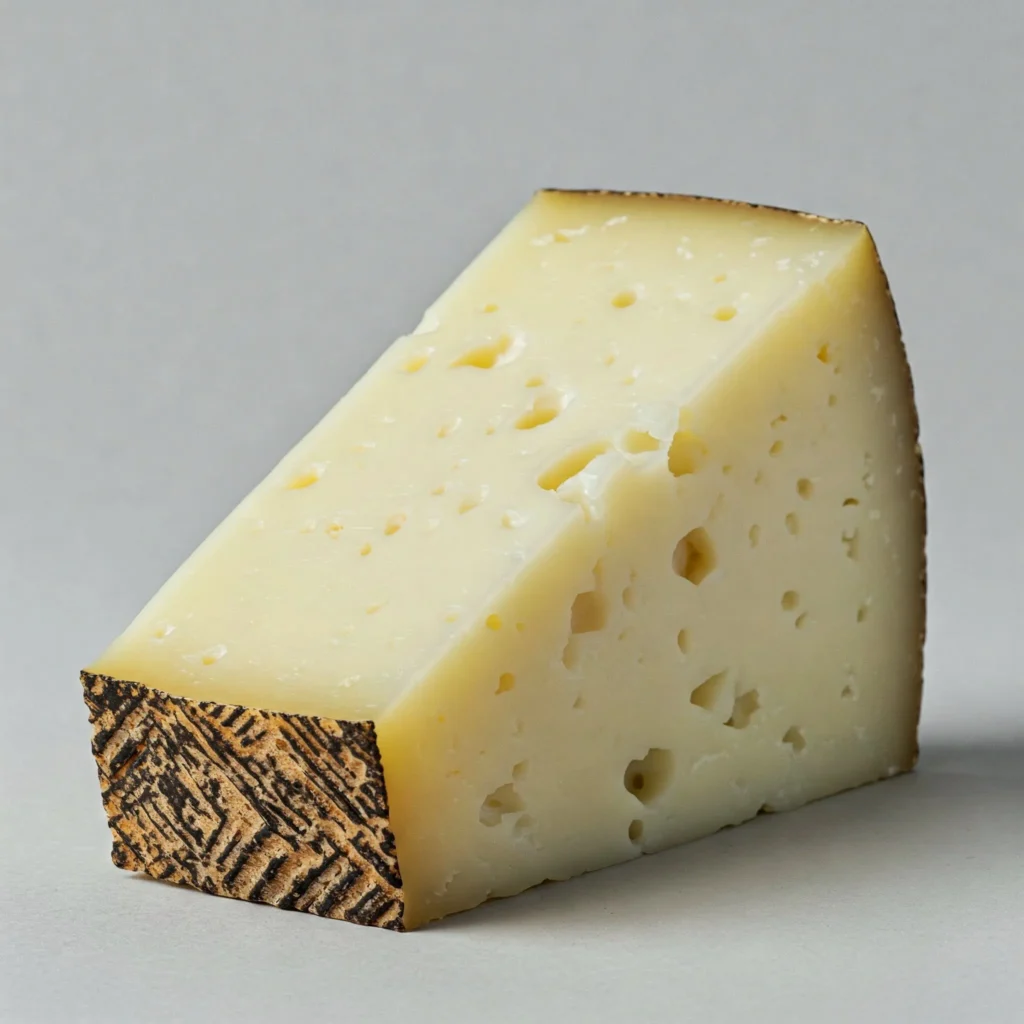
29. Manchego – Famous Sheep’s Milk Cheese
Origin
La Mancha, Spain
Character & Flavor Profile
Hailing from the lands of Don Quixote, Manchego is crafted exclusively from the milk of Manchega sheep.
Its firm rind bears a distinctive zigzag pattern from traditional esparto grass molds.
This hard-fatty cheese delivers a nutty and caramelized flavor.
Perfect Pairings
- Membrillo (Quince paste)
- Marcona almonds
- Tapas
- Spanish wines (Rioja)
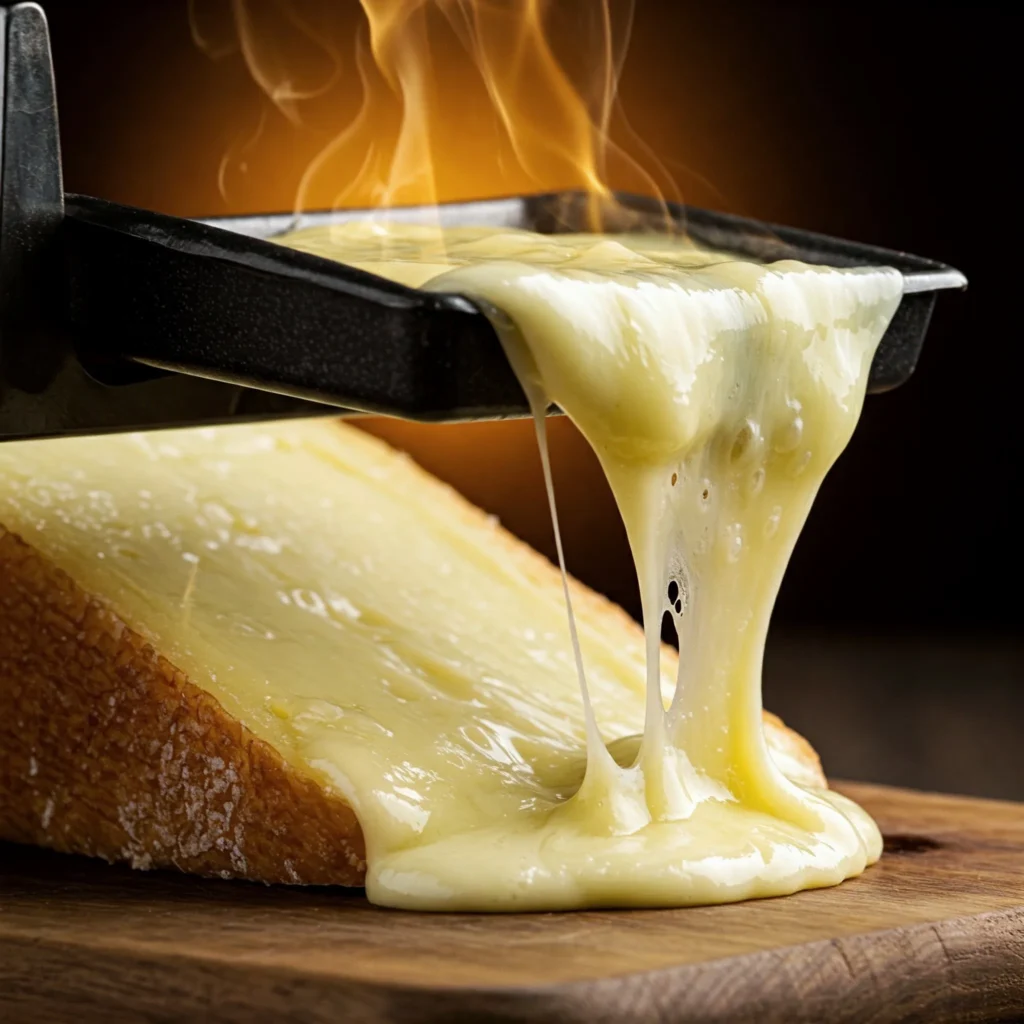
30. Raclette – Traditional Melting Cheese
Origin
Valais, Switzerland
Character & Flavor Profile
Derived from the French verb racler (to scrape), this Alpine cheese is usually heated as a whole wheel.
Because Raclette is made from raw milk, melting it releases a pungent aroma.
Also its flavor is beautifully milky, savory, and satisfying
Perfect Pairings
- Boiled potatoes
- Salami
- Pickles
- Pickled onions
Final Thoughts
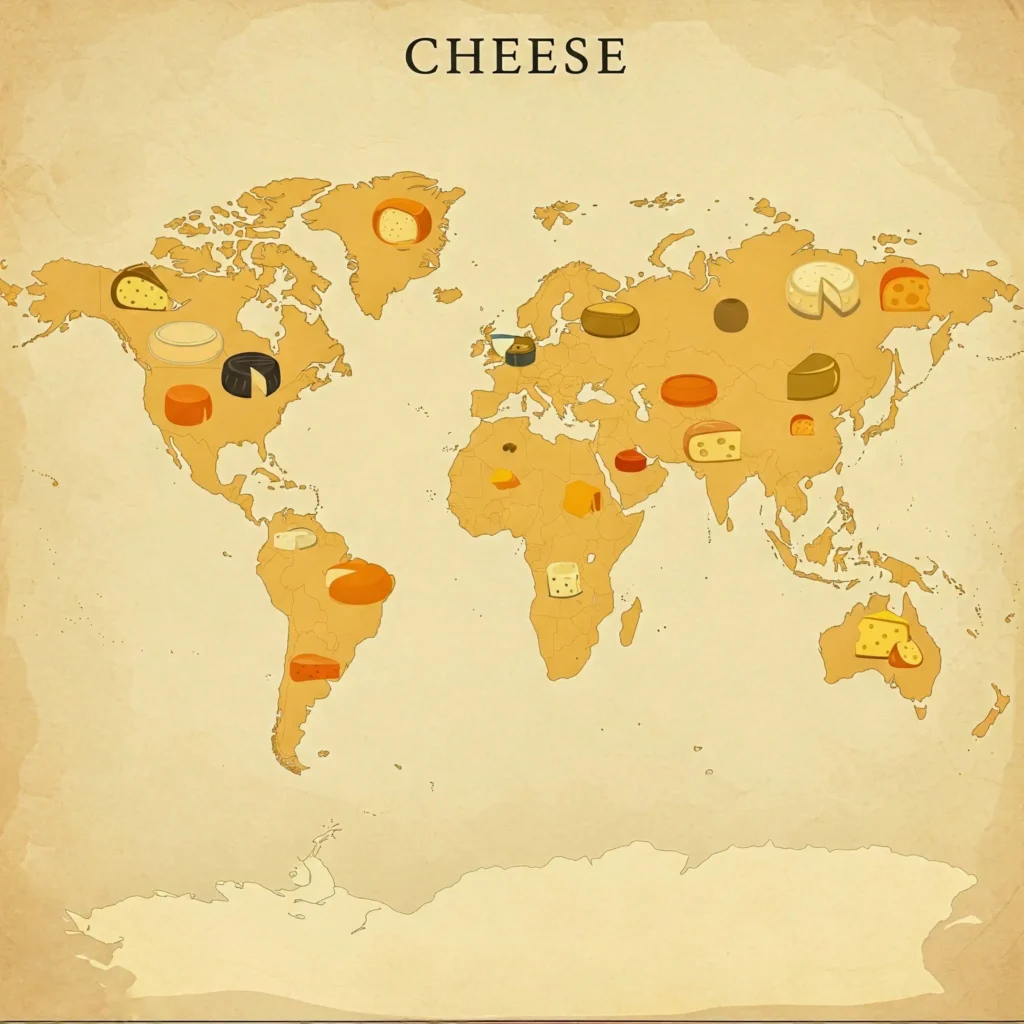
The cheeses featured in GastroCafer’s guide are definitely much more than just delicious food.
From Italian classics Mozzarella and Parmigiano Reggiano to Roquefort, every cheese tells a different tale.
Whether you prefer fresh cheeses, aged cheeses, or blue cheeses, the world of cheese offers endless opportunities for discovery.
I hope this guide has helped you learn more about different types of cheese and inspired you to try new flavor combinations.
Bon appétit!
Cafer Can Yeşilyurt
Useful Resources
- How To Cut Every Cheese | Method Mastery, Epicurious
- Marc de Bourgogne
- Provolone
- Cheese
- Geotrichum candidum
- Culture Cheese
- Roquefort Cheese
- Cotija Cheese
- Dünya Peynirleri: 30 Farklı Peynir Çeşidi
- Wine and Cheese Pairings
- Winnimere Cheese
- Gastronomy 101