


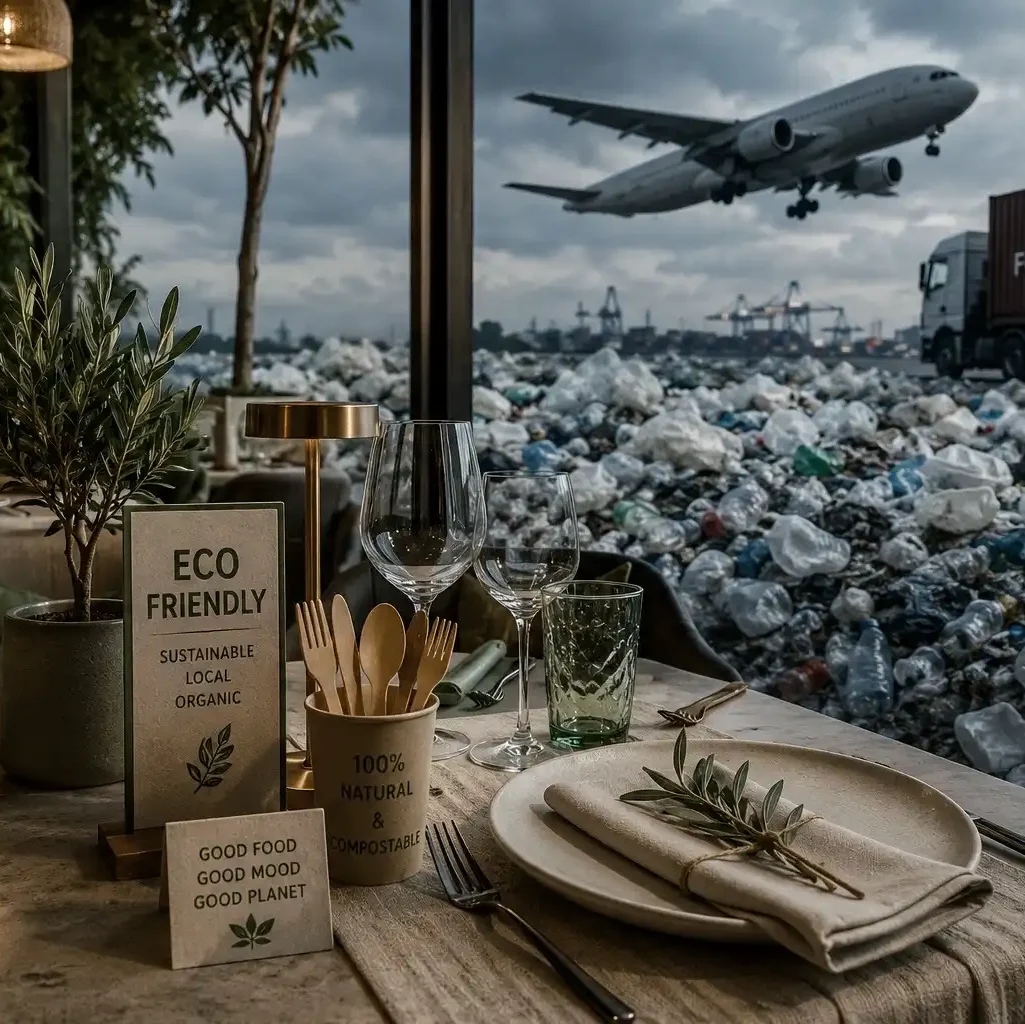
In May 2026, as wars and energy crises continue to dominate global headlines, I would like to discuss a topic that has quietly faded into the background:
The sustainability myths of the food and beverage industry.
You have probably seen the polished “eco-friendly” slogans and the tiny urban gardens proudly displayed by restaurants in the heart of major cities.
More often than not, these initiatives stem not from genuine environmental responsibility but from a practice known as greenwashing.
Yet sustainable gastronomy is far more than a marketing trend.
It is a critical concept that will likely determine the future success of many restaurants in the years ahead.
For this reason, the future of our planet should be shaped by true kitchen operations and local supply chains.
Hey there, dear reader!
If you enjoy learning about the realities behind the gastronomy industry from someone familiar with the field, you are in the right place.
Today on GastroCafer, you will explore the potential of ghost kitchens, the dangers of greenwashing, and the sustainable marketing strategies.
Happy reading!
What Is Greenwashing? How Restaurants Mislead Consumers?
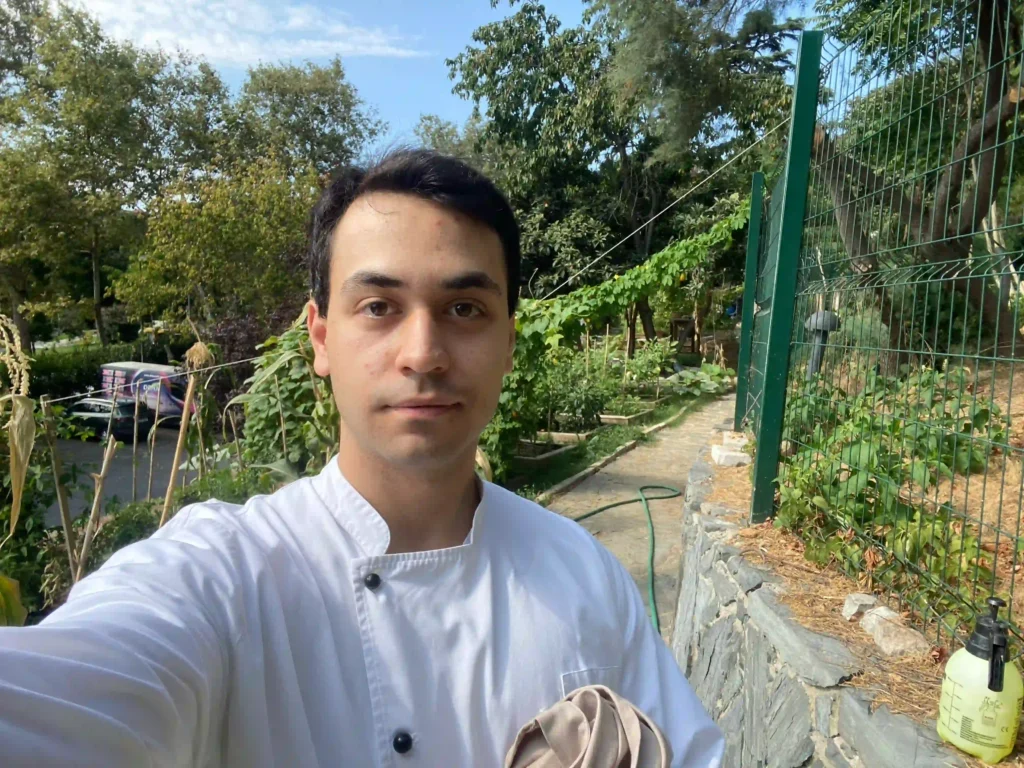
In recent years, sustainability has become one of the most frequently used terms in the food and beverage (F&B) industry.
Unfortunately, few concepts have been diluted as much as sustainability itself.
Greenwashing refers to deceptive marketing practices used by brands to convince consumers that their services are environmentally responsible when reality suggests otherwise.
Imagine a restaurant in Karaköy (Istanbul) serving your beverage with a biodegradable bamboo straw.
Sounds like a wonderful detail, doesn’t it?
But what if the exotic fruits inside that drink were transported from the other side of the world by cargo aircraft, leaving behind a massive carbon footprint.
Or what if kilograms of leftover food were discarded every day without any sorting or waste management practices?
In that case, the bamboo straw becomes little more than a greenwashing tactic designed to distract customers from operational waste.
Consumers from Generation Y and Generation Z are often persuaded by these small sustainability performances.
Unfortunately, we now live in a world where many people are searching for stories worth sharing on social media rather than questioning whether businesses are truly sustainable.
What Are Ghost Kitchens? Are They Actually Beneficial?

Traditional restaurants undoubtedly provide a fantastic dining experience with spacious dining rooms.
However, these physical assets come at the cost of substantial energy consumption.
This is precisely where the Ghost Kitchen model comes into the conversation.
Since the pandemic, ghost kitchens have continued to gain popularity across the global restaurant industry.
Built entirely around delivery and takeaway operations, these next-generation kitchens focus their resources solely on food production.
As a result, much of the additional carbon burden created by heating, lighting, and front-of-house operations can be significantly reduced.
Furthermore, a single kitchen facility can operate three or even four separate brands simultaneously.
For example, tomatoes purchased for a burger brand can be incorporated into menu items offered by a salad brand operating from the same kitchen.
Ghost kitchens may not offer elegant dining rooms or Instagram-worthy interiors, but they deserve serious consideration when discussing sustainable gastronomy.
Thinking Globally, Sourcing Locally: What Is Glocalization?
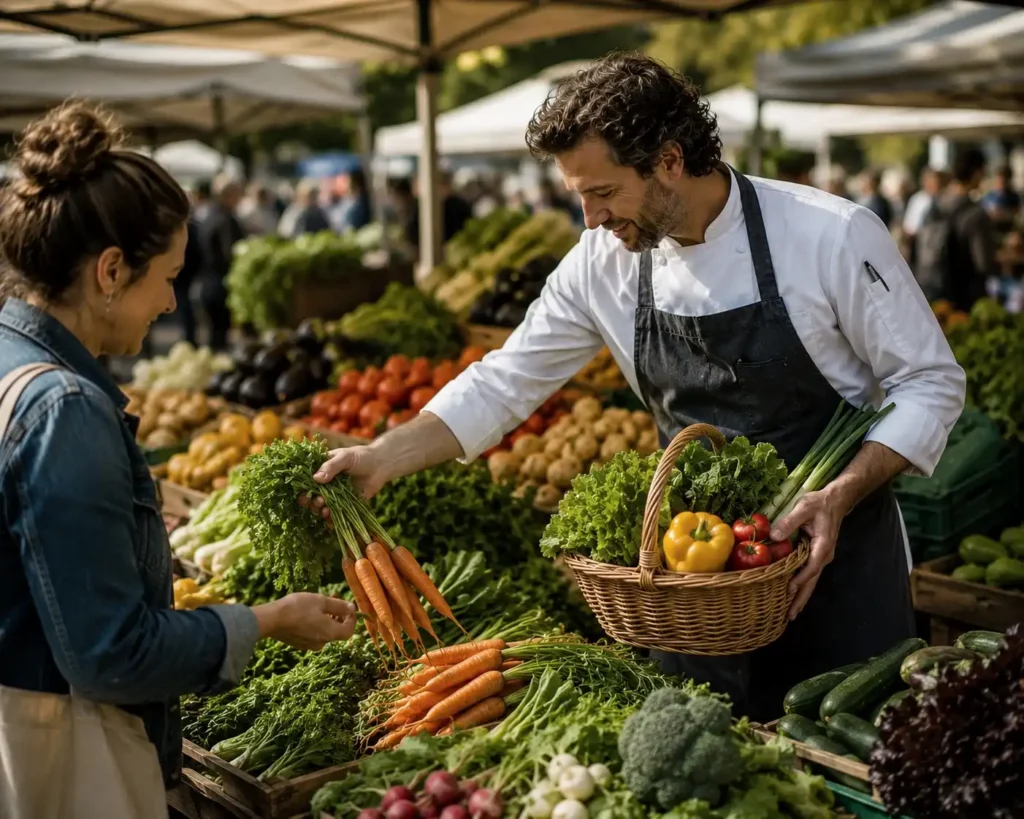
A menu featuring Parmigiano Reggiano may seem fashionable and sophisticated.
However, the food miles associated with that ingredient should not be ignored.
This is why a truly sustainable gastronomy strategy embraces the concept of glocalization.
So, what exactly is glocalization?
A simple example would be sourcing ingredients locally while applying globally recognized culinary techniques and standards.
Imagine a restaurant preparing Michelin-level dishes while purchasing a significant portion of its ingredients from local farmers, within its own region.
Meat may come from a neighborhood butcher rather than a large industrial distributor.
Vegetables may be selected according to seasonal availability rather than year-round demand.
When restaurants adopt these practices, sustainability becomes more than a marketing slogan.
Supported by environmentally conscious chefs, glocalization can play a meaningful role in shaping the future of sustainable food systems.
The Plastic Dilemma: Choosing Honesty Over Perfect Lies

While conducting market research, I noticed that packaging costs represent one of the biggest challenges facing restaurant operators.
Compostable packaging materials are often significantly more expensive than traditional plastic alternatives.
For newly established businesses, the financial burden can be even greater.
This is where a brand’s true character begins to reveal itself.
An honest sustainability marketing strategy requires transparency, not promoting messages about creating a “100% plastic-free future.”
A restaurant might say:
“Due to current costs, we still rely on plastic packaging for some of our operations. However, by improving operational efficiency, we are committed to transitioning 80% of our packaging materials to recyclable alternatives by the end of 2026.”
Believe me, this restaurant can easily earn customer trust and long-term brand loyalty than a luxury restaurant built entirely on sustainability myths.
Final Notes

Remember: A great meal should be evaluated not only by its flavor but also by the carbon footprint it leaves behind.
The most successful F&B brands of the future will be the ones that embrace this principle.
Perhaps no single restaurant will save the world on its own.
However, one thing is certain:
The future of the industry will be shaped by kitchens willing to take genuine responsibility for their environmental impact.
Cafer Can Yeşilyurt
Helpful Resources
- UNEP – Food Waste Index Report
- WWF – Sustainable Food
- Gastronomi ve Toplum
- Michelin Guide – Sustainability
- Gastronomy Experiences
- National Geographic – Greenwashing
- Automation in Gastronomy
- Sürdürülebilir Gastronomi